

What Moves When A Seat Is Handed Over And What Stays
A seat handover transfers legal authority and explicit procedures, while diagnostic intuition, relational trust, and evaluative taste remain with the predecessor.
A seat handover transfers legal authority and explicit procedures, while diagnostic intuition, relational trust, and evaluative taste remain with the predecessor.
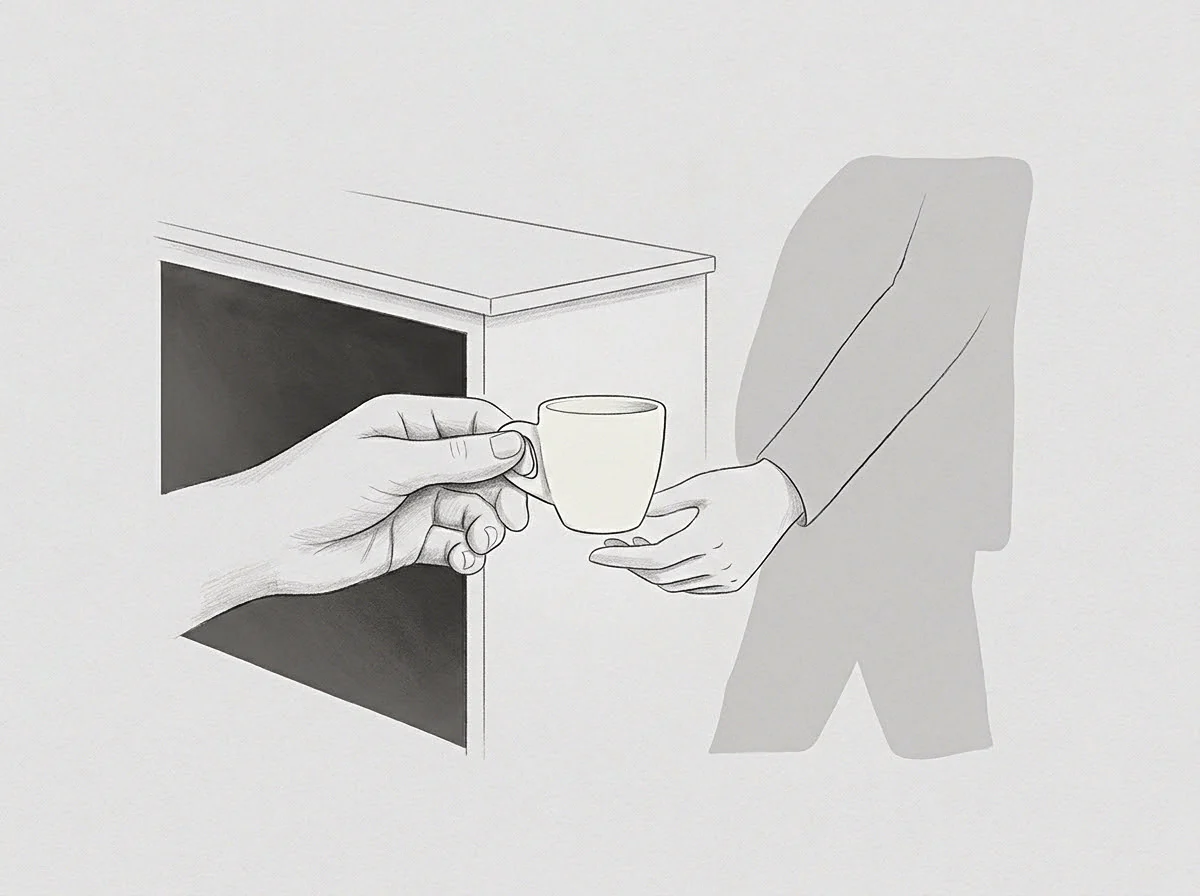
Operational role succession succeeds by unbundling founder responsibilities into distinct functional tracks governed by graduated authority limits.

Transferring founder-dependent client relationships requires phased authority migration, explicit tacit knowledge codification, and strict boundary enforcement.

Mapping functional roles separates bundled executive duties into distinct operational seats, eliminating candidate profile traps and securing continuity.

Tacit knowledge extraction fails when intuitive owner patterns are codified without capturing the situational cues that trigger operational choices.

Organizational performance decays post-founder exit when uncodified cognitive routines and implicit sensemaking models exhaust their operational momentum.
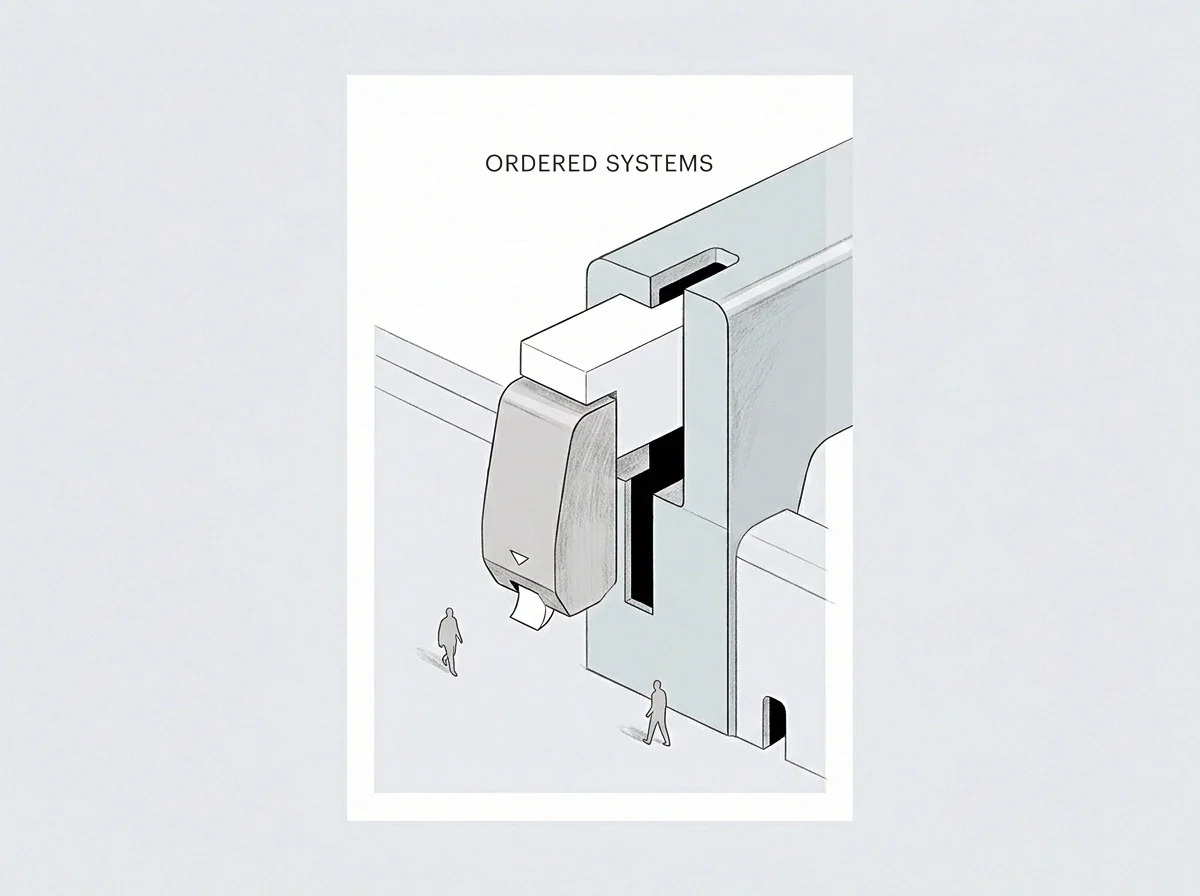
Operational continuity protocols isolate executive seats from personal operating habits by converting unwritten authority into stage-gated corporate procedures.

Executive departures stall when title transfer precedes tacit knowledge codification, requiring structured co-decision cycles to delegate authority safely.

Enforcing post-closing non-solicitation remedies requires proving affirmative outreach, utilizing self-executing escrow offsets, and decoupling client goodwill from departing key personnel.

Uncodified knowledge and relational capital survive crisis executive transitions through structured shadow pairing and rapid key counterparty trust stabilization.
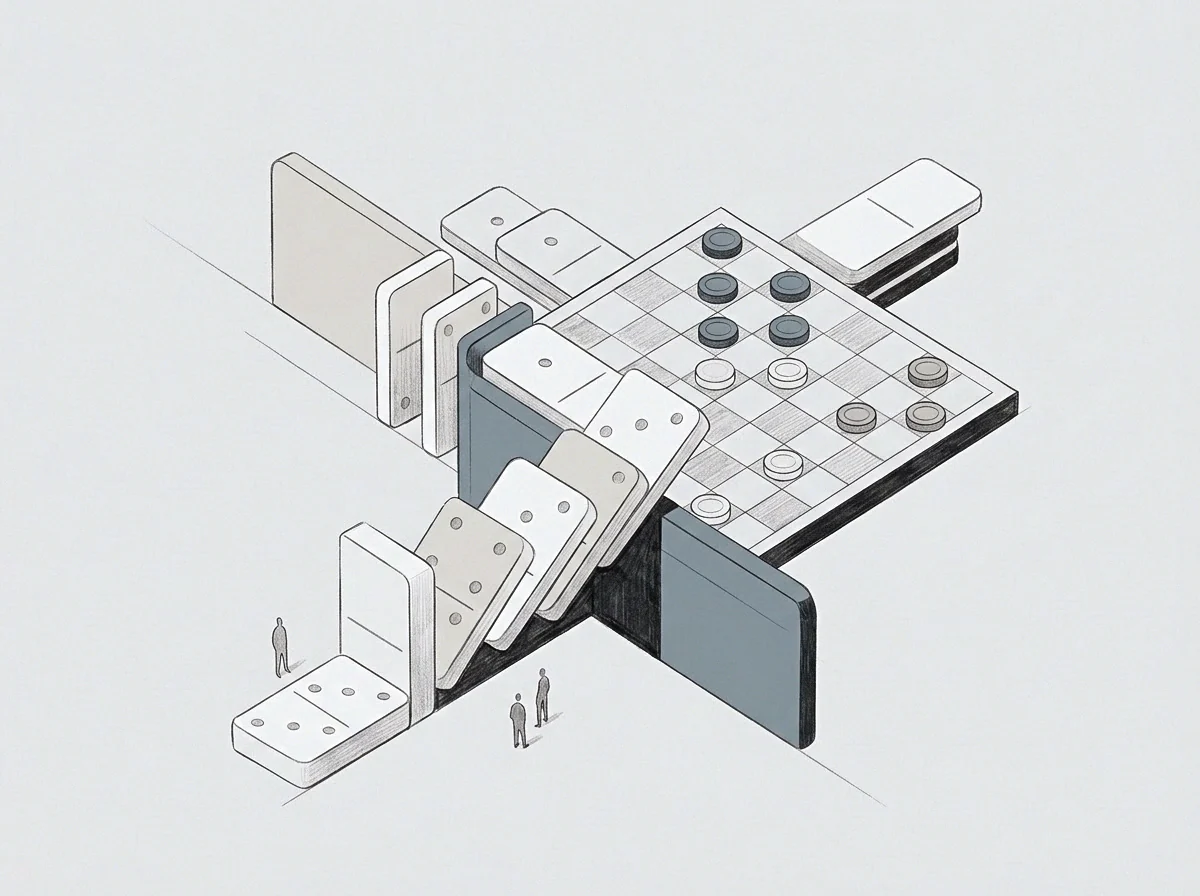
Executive operating autonomy drops when uncodified predecessor information loops force reliance on legacy shadow channels for routine decision approval.

Unsanctioned shadow governance emerges when departing leaders retain operational access, enabling informal backchannels that subvert successor executive control.

Tacit knowledge codification velocity measures the rate at which implicit founder heuristics convert into external scaffolding without losing operational fidelity.
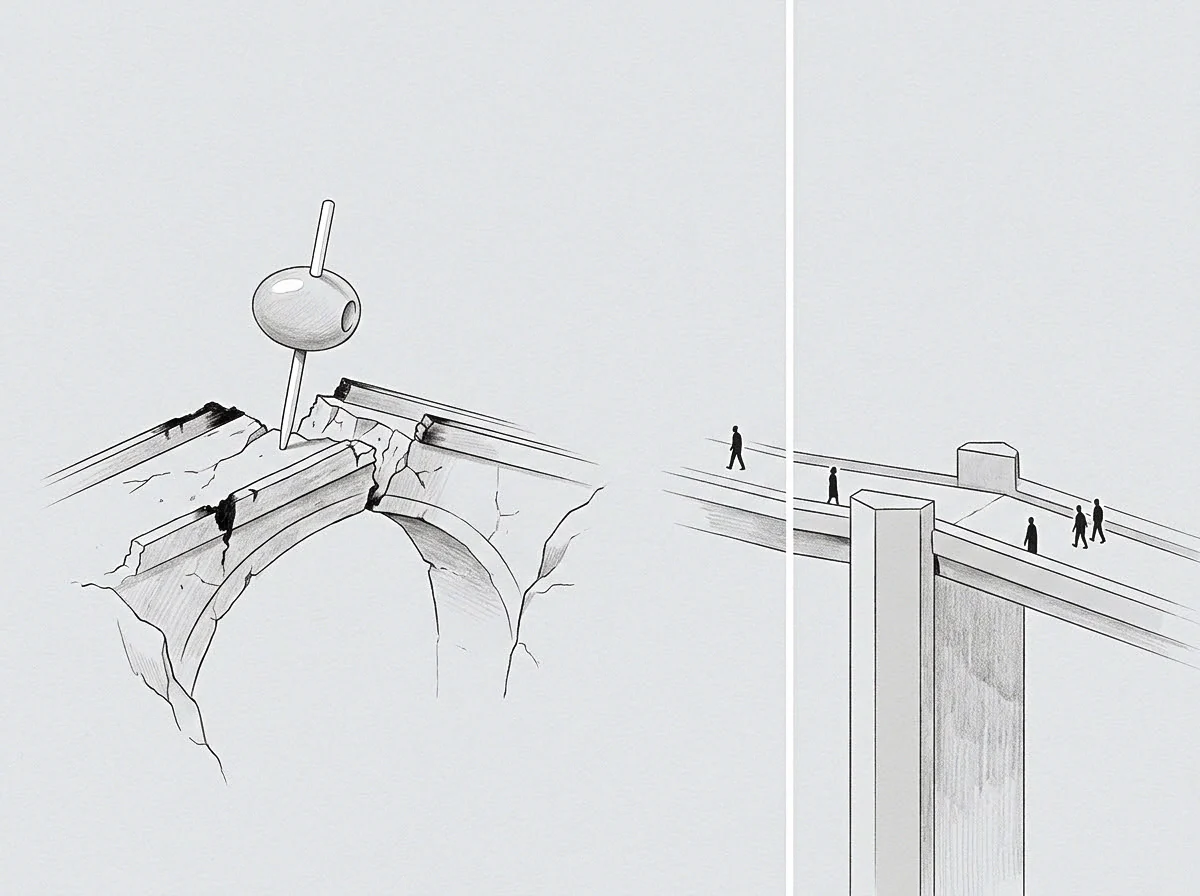
Codifying tacit knowledge before executive transition requires structured shadowing and incident debriefs to extract unwritten decision heuristics.

Enterprise account handover sequences establish performance benchmarks by measuring relationship decay, tacit knowledge capture, and capacity transfer timelines.

Conducting functional operational transfer before exit announcements protects organizational authority and ensures continuity before institutional friction emerges.
Scaffolding functional authority transfers during leadership transitions stabilizes operations by progressively decoupling decision rights from predecessor presence.

Deferred equity release ties post-exit share transfers directly to verified client retention percentages across specified settlement periods.
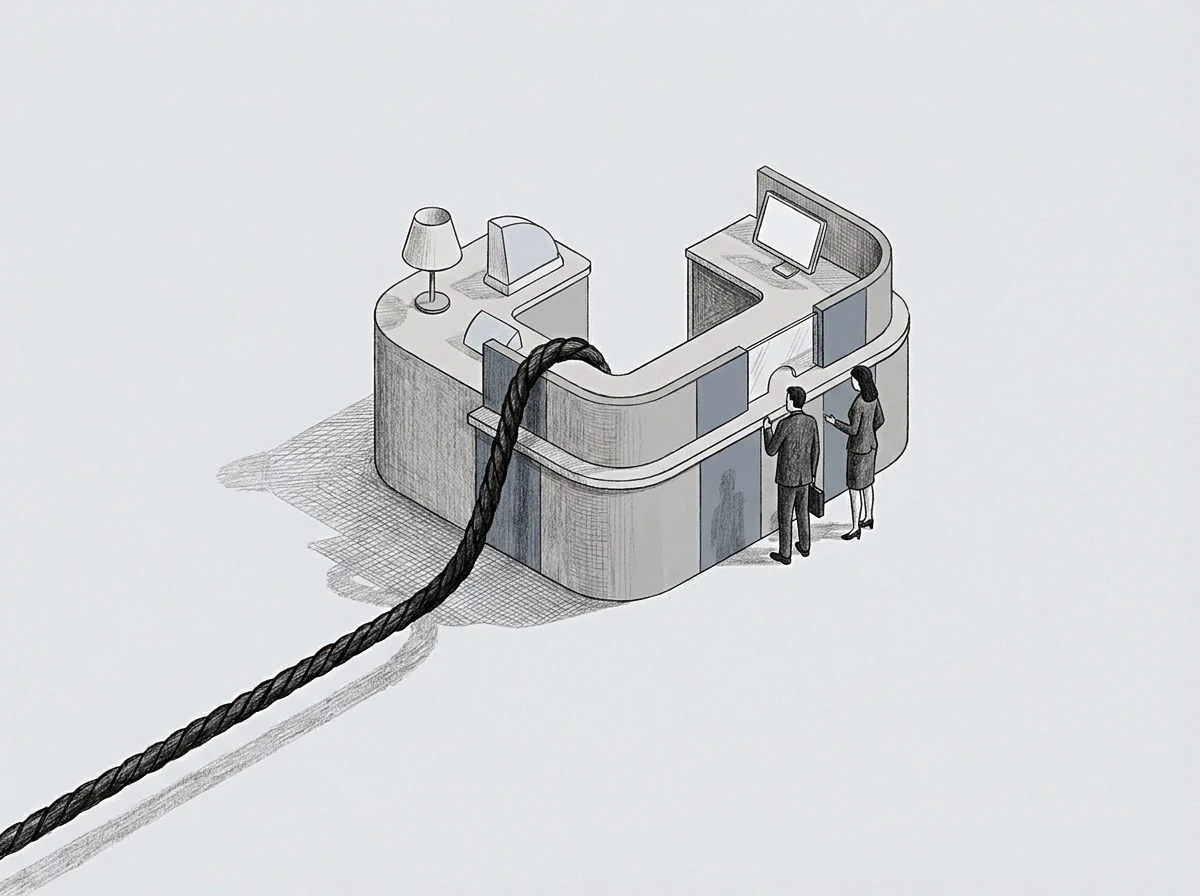
Account transitions require phased operational scaffolding, tacit knowledge codification, and multi-threaded governance to protect service margin.

Tacit knowledge loss during partner equity buyouts is mitigated by structuring phased dual-key transitions and tying deferred equity payouts to verifiable operational handovers.

Structural decision latency expands as undocumented founder context decays, converting operational agility into protracted administrative verification cycles.
Compulsory bad leaver transfers in equal shareholdings fail when triggered by board votes, requiring self-executing default clauses to survive deadlock.

Intercreditor turnover clauses redirect equity litigation recoveries to senior lenders unless direct personal claims establish duties independent of debt agreements.

Corporate leadership transition checklists transfer operational control by replacing individual executive leverage with verifiable administrative protocols.
Residual authority drift occurs when departing executives retain informal decision rights, undermining appointed successors across multi-year intervals.

Operational knowledge scaffolding transfers implicit client context to successors through staged shadowing, dual-run reviews, and codified relationship protocols.
Systematic staged handovers transfer executive knowledge through paced delegation, real-time codification, and explicit boundary shifts to ensure post-exit continuity.

Tacit knowledge loss occurs when owner-operators depart without transferring unwritten perceptual heuristics and informal social credit networks to successors.
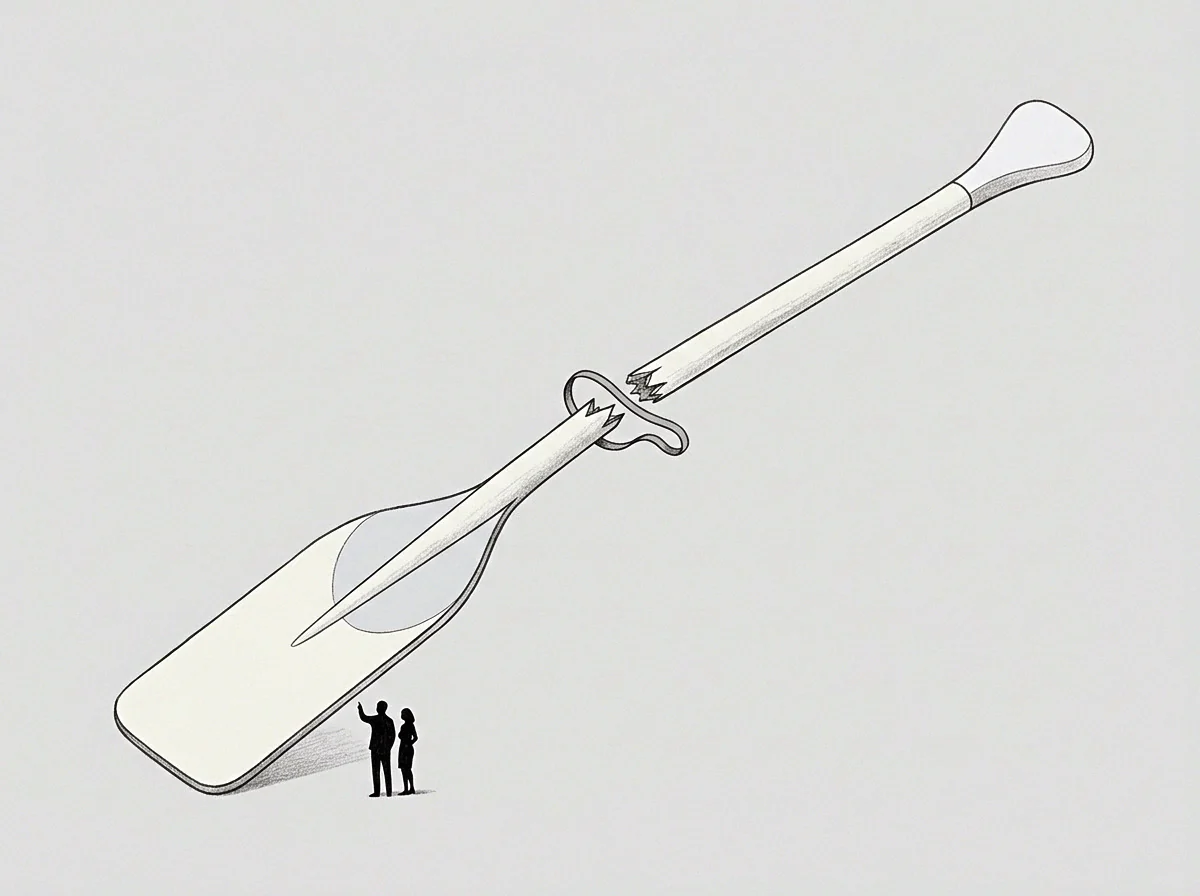
Uncodified founder heuristics collide with legal board veto rights during market shocks, creating operational paralysis as balance sheet runway contracts.

Structured bilateral shadowing and trailing compensation splits institutionalize tacit commercial history to protect enterprise accounts during handovers.
The terms are written where they belong. Each field holds three desks, and every entry a desk writes raises the terms it uses, each term given a meaning, a mechanism and the places it appears. The record on these pages stays first person and hand made; the fields grow the nomenclature.