

Executive Exit Preparation And Early Knowledge Transfer Protocols
Executive exit preparation transfers operational control by decoupling institutional workflows from individual heuristics through structured early codification.
Executive exit preparation transfers operational control by decoupling institutional workflows from individual heuristics through structured early codification.
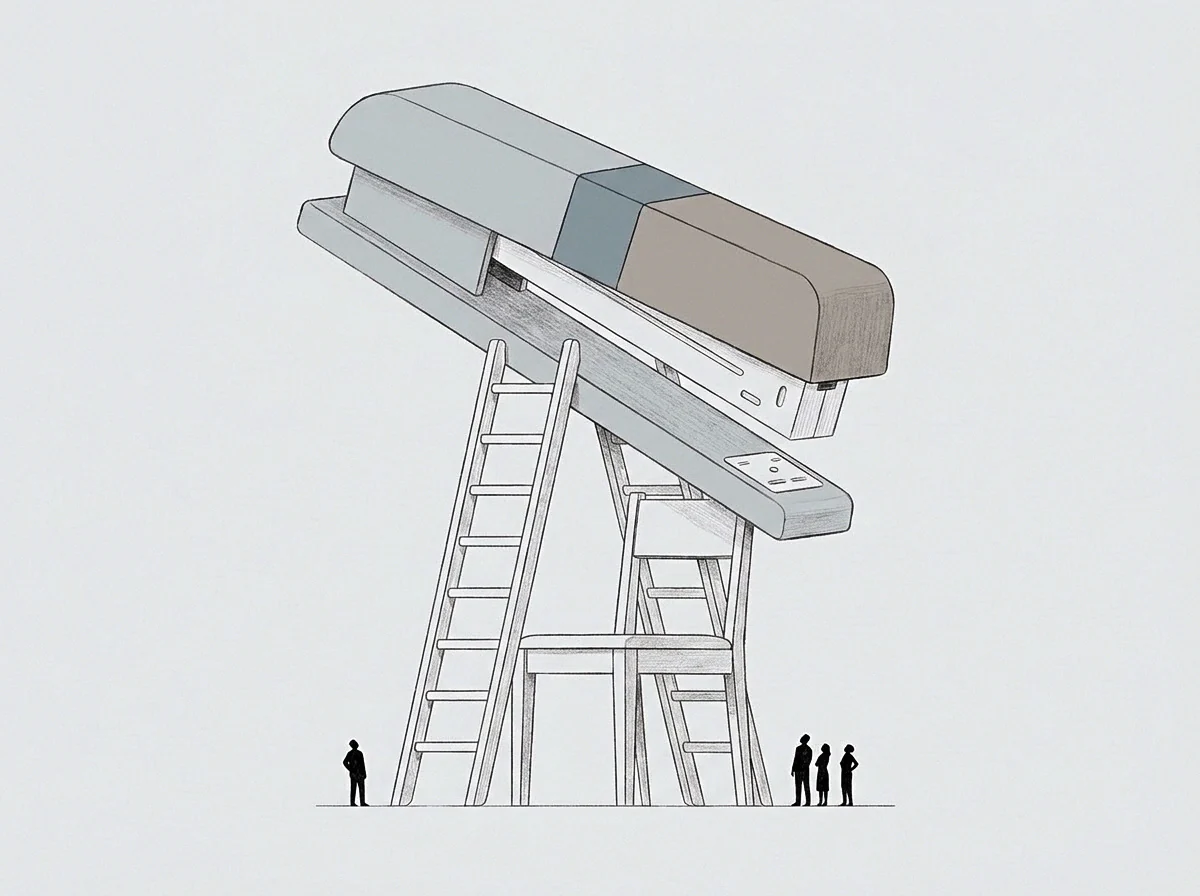
Post succession operational losses quantify the hidden throughput collapse caused when informal exception routing and tacit relational credit vanish with an executive.

Tacit knowledge transfer hits structural limits because expert operational intuition relies on sub-conscious pattern matching that resists formal codification.

Documenting tacit executive knowledge extracts unstated heuristics and risk logic during live operations to preserve performance through leadership succession.

Enterprise account decay risk is calculated by measuring counterparty decision latency, successor discretionary authority, and principal dependency ratios.
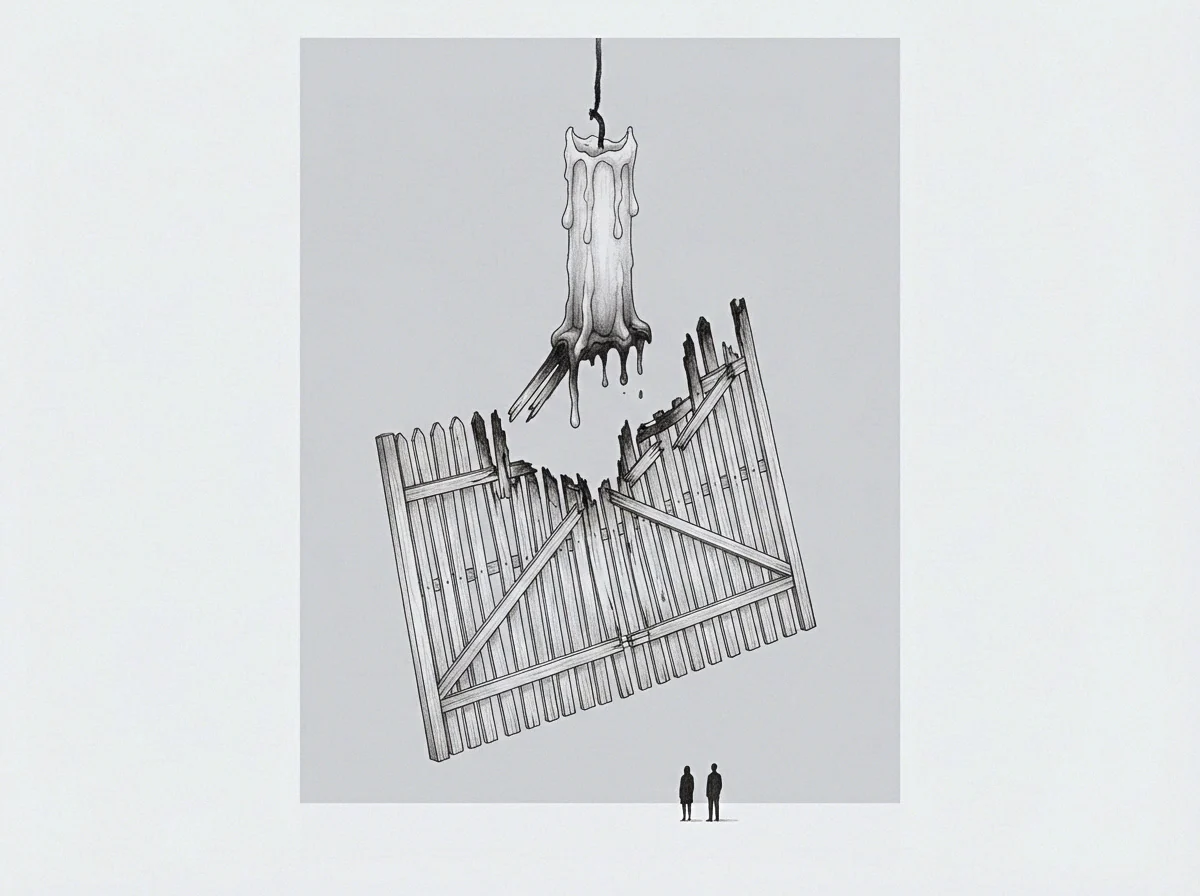
Omitting unspoken quality standards during account executive handovers leaves client expectations uncodified, driving revenue attrition and contract slippage.

Enterprise account transfers between senior leads require phased authority transition, tacit knowledge codification, and aligned retention revenue splits.
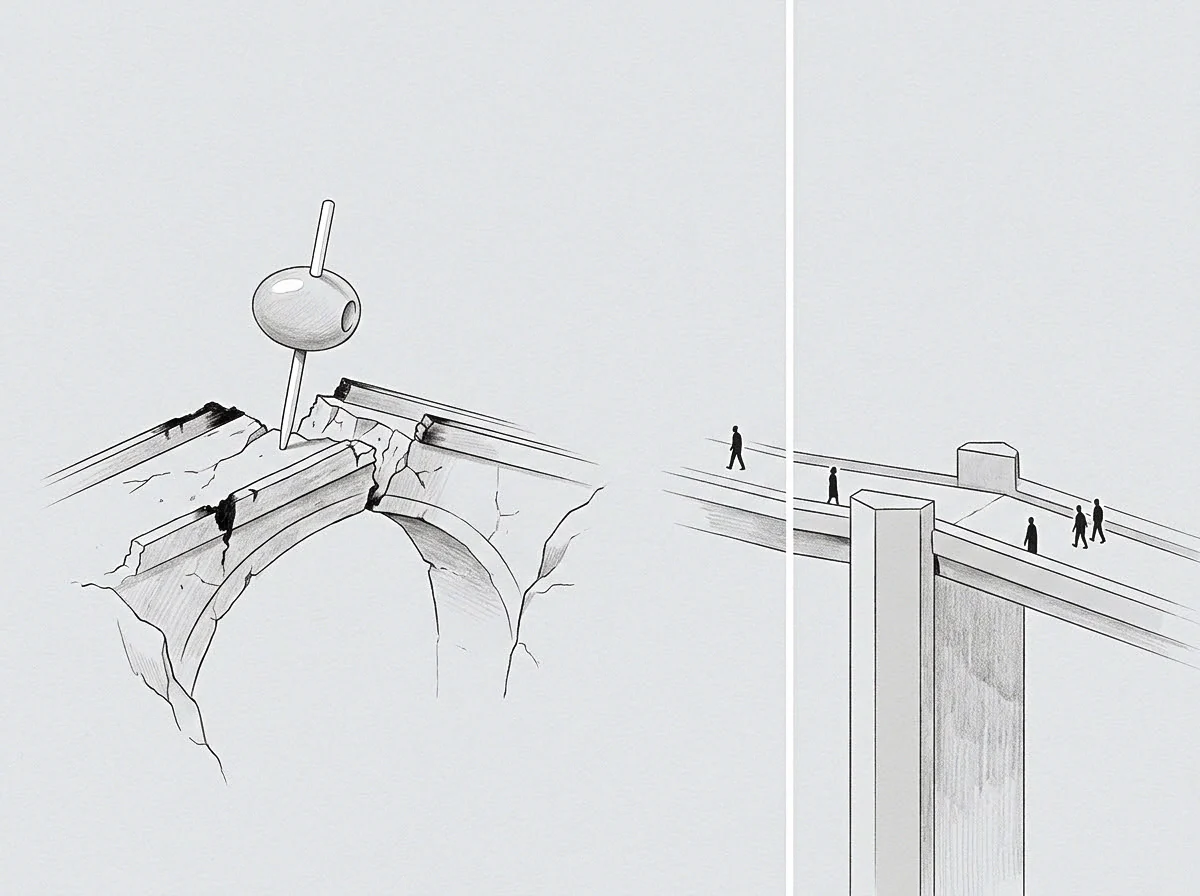
Conditional holdbacks, set-off seller notes, and phased shadowing covenants mitigate the loss of uncodified operational heuristics during closely held transitions.

Codifying tacit executive models involves logging live paired decision rationales, scaffolding authority transfer, and establishing boundary parameters for residue.
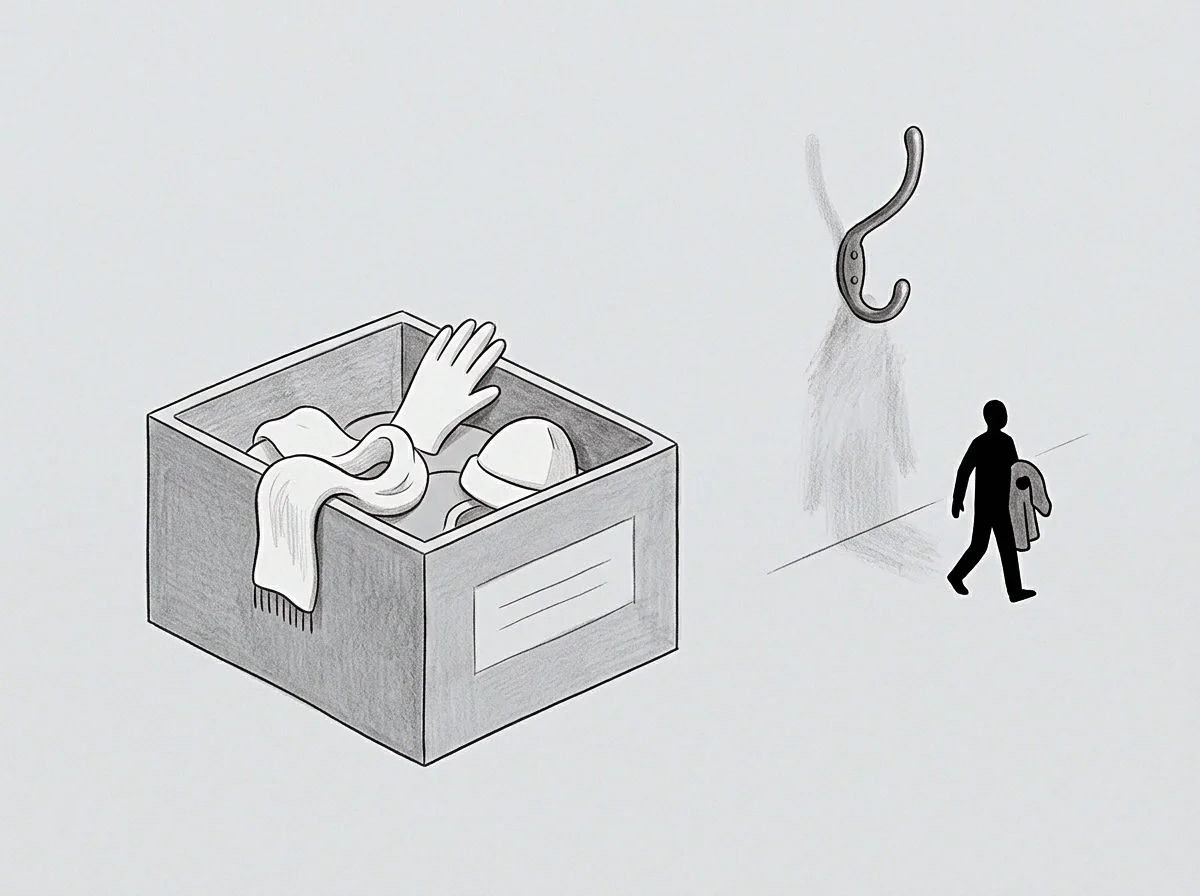
Scaffolding removal rates balance operational stability and executive autonomy by methodically withdrawing informal founder supports as institutional competence matures.

Extracting tacit founder routines before enterprise acquisition diligence converts unwritten operating memory into verifiable, transferable organizational assets.

Phase gated equity conversion releases equity tranches only upon third party verification of quantitative technical or commercial operational milestones.

Resolving unwritten operational dependencies requires converting shadow approval chains and tacit exception logic into explicit role thresholds before executive exit.
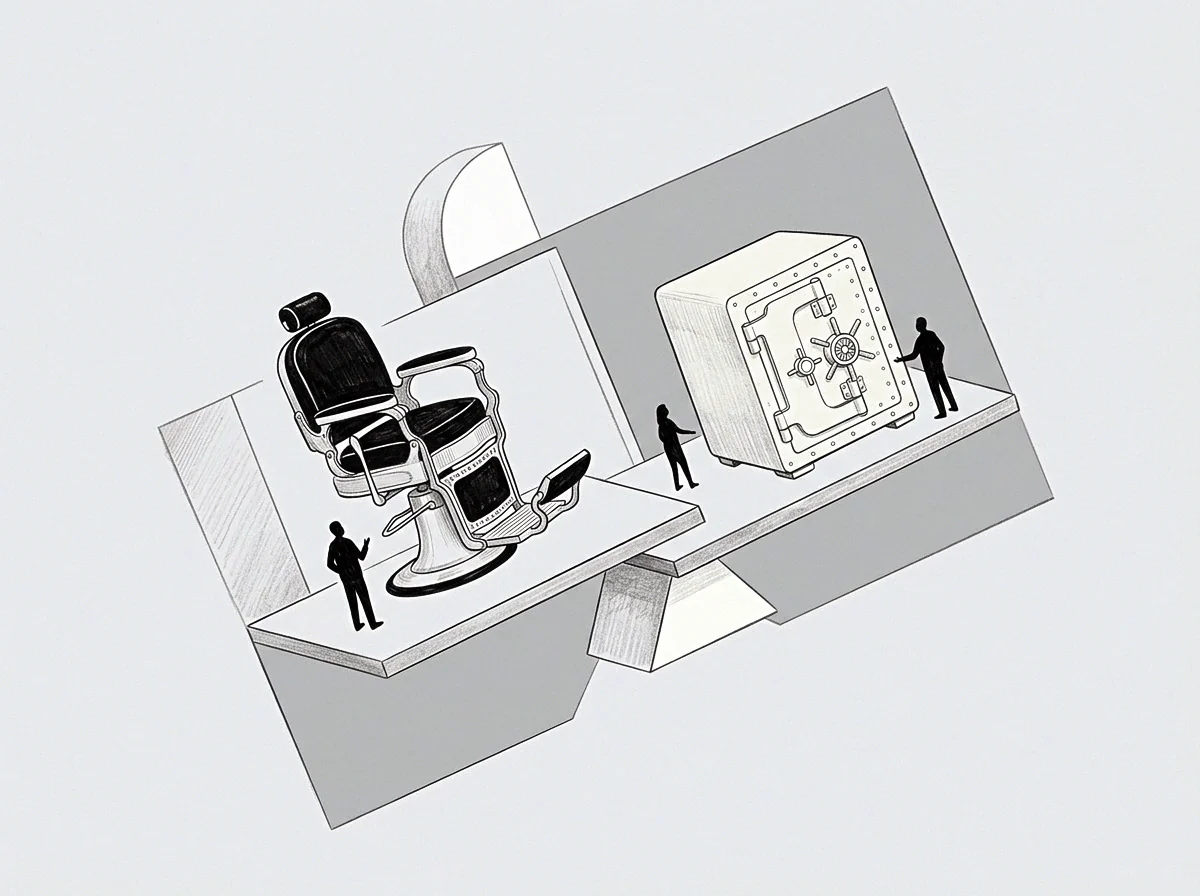
Structural demarcation restricts retained owners to successor-initiated technical inquiries, protecting operational authority during small firm transitions.

Informal predecessor ties distort executive autonomy by routing vital decisions through uncodified channels that bypass the incoming leader's formal authority.

Automated operational latency tracking detects tacit knowledge gaps during firm transitions by identifying task queue delays that signal undocumented decision rules.

Preserving relational trust during emergency executive vacancies requires deploying secondary authority nodes and rapidly codifying tacit counterparty commitments.

Emergency governance covenant enforcement requires clear contractual thresholds, automated infrastructure custody, and formal board action.

A structural voting proxy transfers shareholder voting rights to an independent trustee during liquidity shocks to prevent unauthorized operational intervention.
The terms are written where they belong. Each field holds three desks, and every entry a desk writes raises the terms it uses, each term given a meaning, a mechanism and the places it appears. The record on these pages stays first person and hand made; the fields grow the nomenclature.