

Tacit Sensemaking Transfer Limits In Founder Succession Protocols
Codified succession protocols fail to transfer tacit sensemaking because procedural manuals transcribe explicit rules while discarding intuitive cue recognition.
Codified succession protocols fail to transfer tacit sensemaking because procedural manuals transcribe explicit rules while discarding intuitive cue recognition.
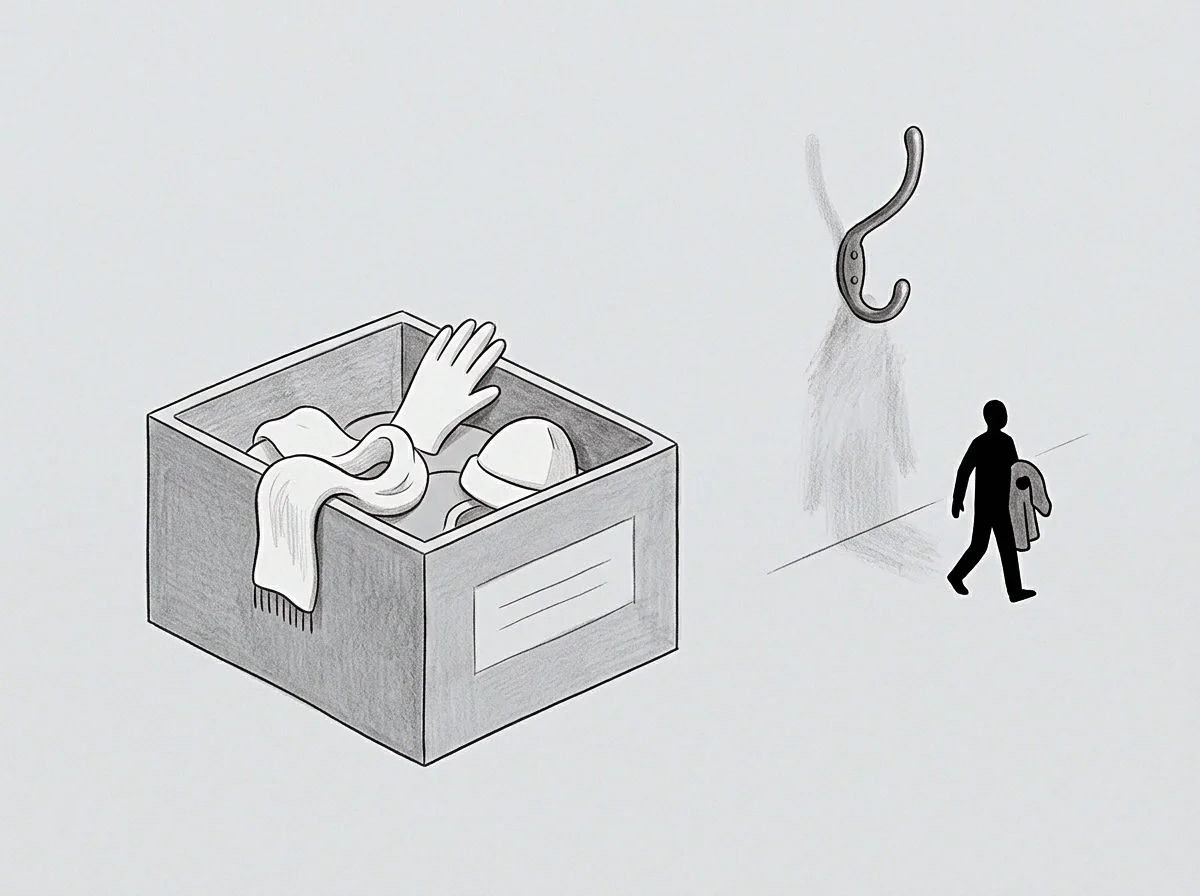
Scaffolding removal rates balance operational stability and executive autonomy by methodically withdrawing informal founder supports as institutional competence matures.
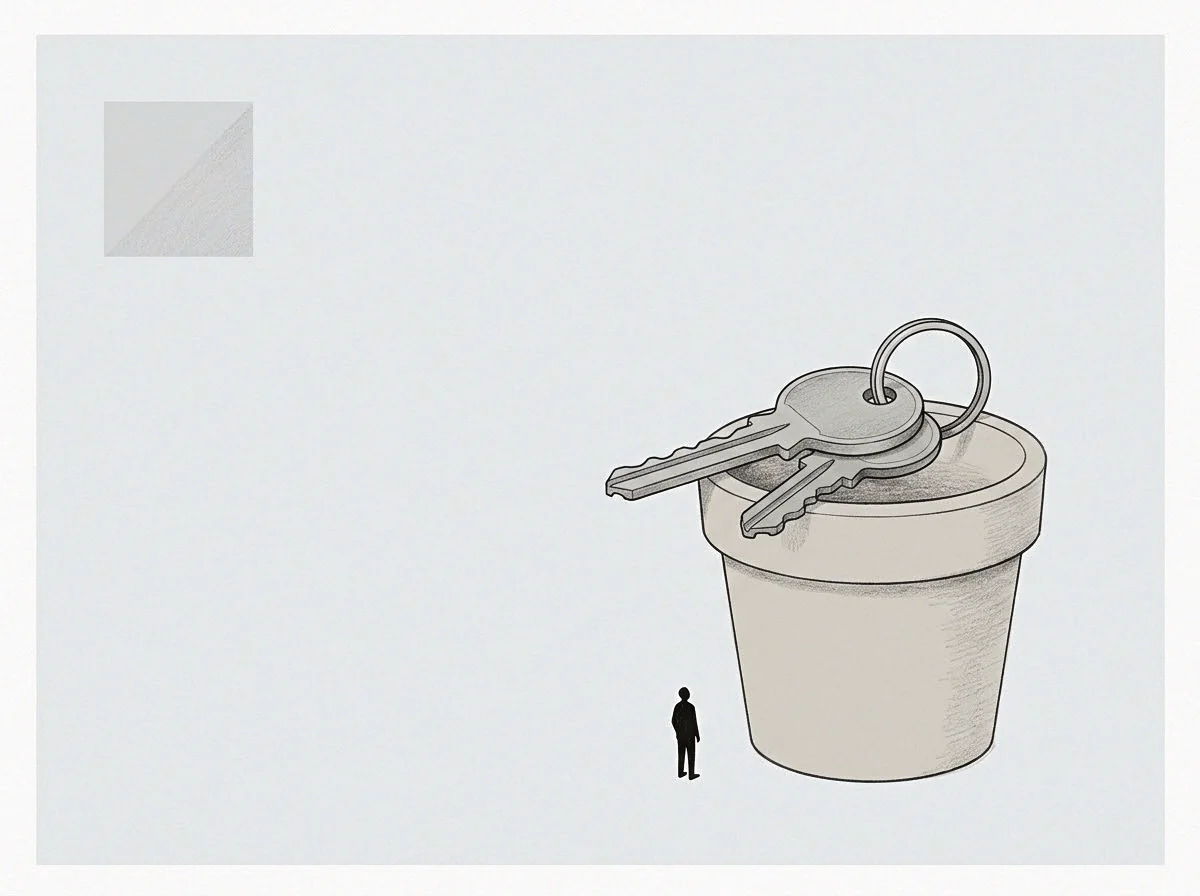
Separating economic share rights from corporate control isolates financial yields from voting authority through dual-class stock, trusts, and proxy grants.

Latent operational dependencies in private firm handovers are resolved by systematic audit, explicit approval boundaries, and calendar-driven scaffold removal.
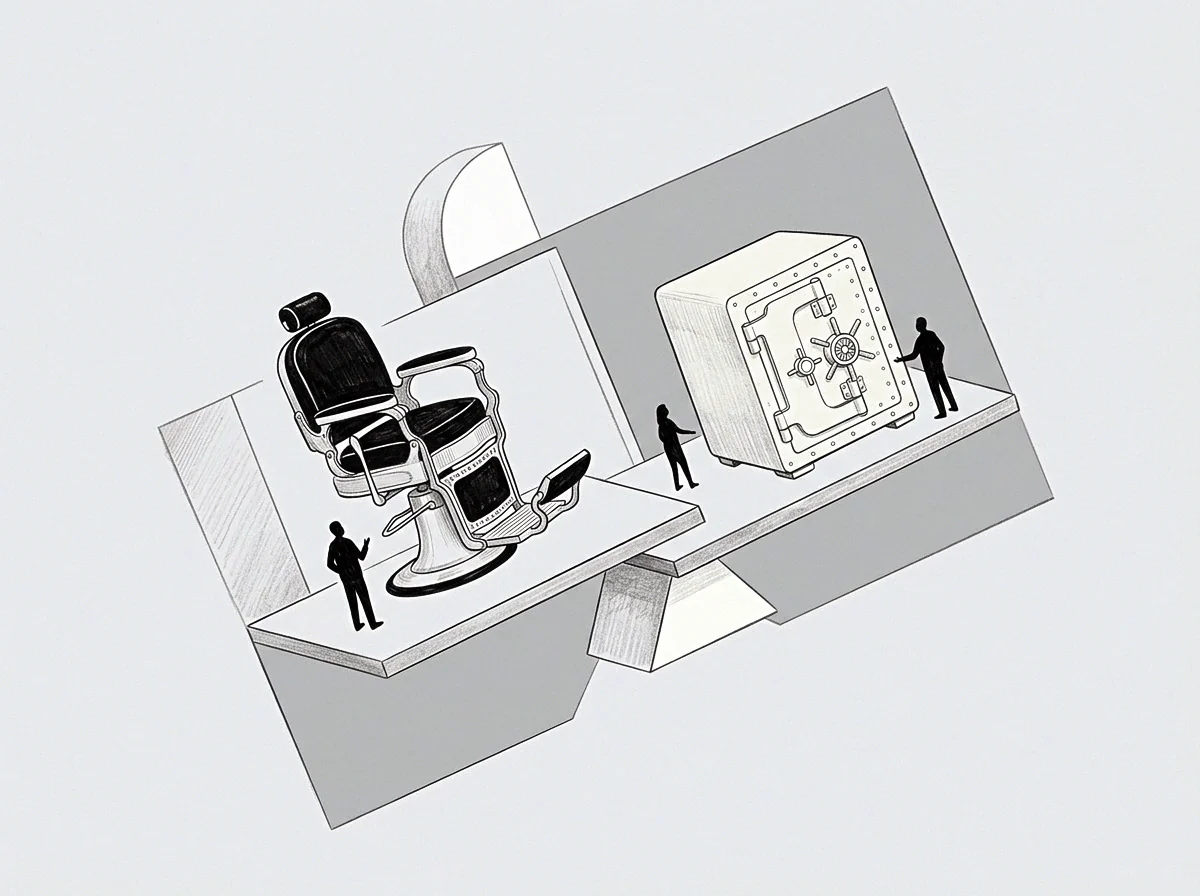
Structural demarcation restricts retained owners to successor-initiated technical inquiries, protecting operational authority during small firm transitions.

Governance metrics measuring operational redundancy, dual signatory coverage, and process codification dictate uncodified capital retention during forced founder exits.

A structural voting proxy transfers shareholder voting rights to an independent trustee during liquidity shocks to prevent unauthorized operational intervention.

Codifying founder board parameters into explicit committee charters before liquidity drops preserves formal governance and prevents contentious fiduciary removals.
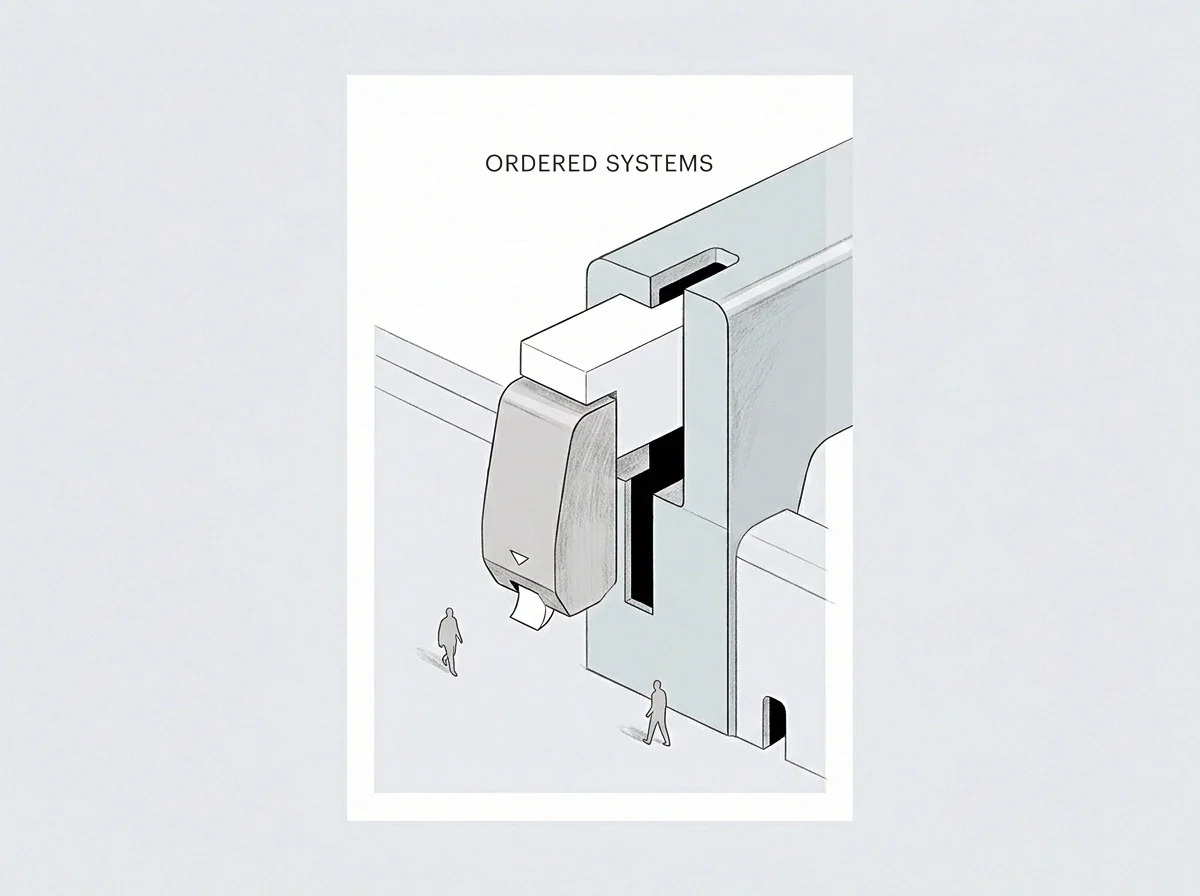
Enterprise account successor compensation aligns incentives by pairing phased commission splits with milestone-based quota adjustments during handover.

Financing a family equity buyout terminates operational meddling by eliminating the ownership title that enables informal authority to override management.

Independent board structures constrain shareholder interference by legally separating beneficial equity ownership from executive appointment and daily operational authority.

Uncodified founder heuristics collide with legal board veto rights during market shocks, creating operational paralysis as balance sheet runway contracts.

Grounding tacit operating rules requires extracting implicit executive heuristics into explicit decision guardrails before final owner exit.
The terms are written where they belong. Each field holds three desks, and every entry a desk writes raises the terms it uses, each term given a meaning, a mechanism and the places it appears. The record on these pages stays first person and hand made; the fields grow the nomenclature.