
Governance Architecture Breakdown When Founder Tacit Heuristics Conflict With Formal Board Authority Under Market Shocks
Uncodified founder heuristics collide with legal board veto rights during market shocks, creating operational paralysis as balance sheet runway contracts.

Clash
When institutional debt availability contracts abruptly, cash runway can shrink from eighteen months to twelve weeks, forcing executive leadership into immediate operational triage. In this environment, the founder relies on unwritten pattern recognition forged during early product iterations to pivot products and shift capital. At the same time, outside directors review formal protective provisions, fiduciary duties, and investor rights agreements.
The resulting deadlock freezes the organization’s response just as execution speed matters most.
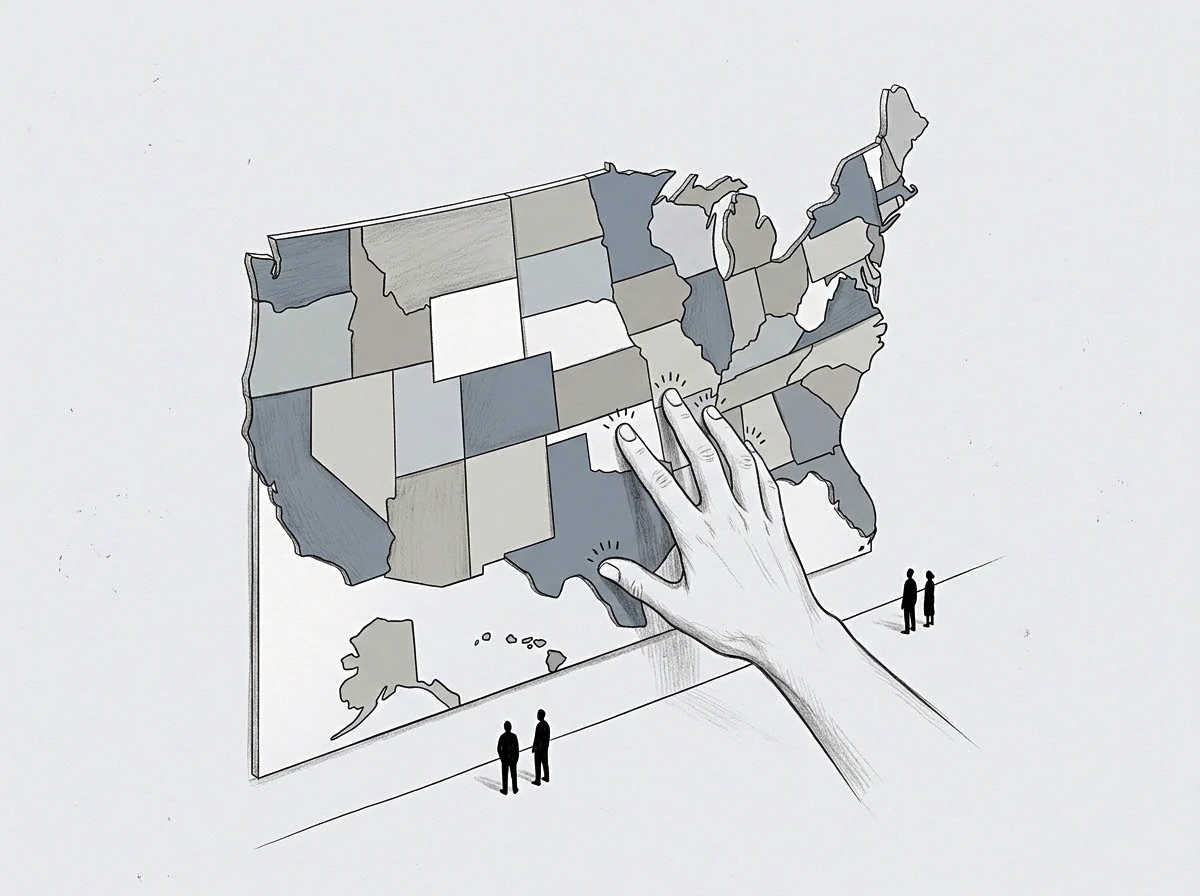
The Collision of Implicit Models and Legal Rights
Early scaling instills deep implicit decision rules within a founding team. These operational shortcuts govern assumptions around customer acquisition resilience, technical debt tolerances, and vendor renegotiation flexibility. The founder tests ideas in fast feedback loops without translating that underlying reasoning into written balance sheet forecasts.
Institutional directors lean instead on standardized fiduciary controls, risk diversification metrics, and formal approval matrices. Market shocks raise personal liability concerns over potential insolvent trading, leading directors to default to explicit balance sheet preservation, immediate spending freezes, and formal audit routines.
A formal board vote overrides founder operational discretion when market shocks trigger debt covenants or cash reserve thresholds.
Conflict sharpens when the founder sees board oversight as obstructive interference, while directors view uncodified strategic pivots as breaches of fiduciary duty. Governance breaks down because neither party possesses a shared framework for evaluating operational intuition against legal protections under time pressure. How can corporate governance architectures preserve founder pattern recognition while satisfying formal fiduciary control requirements during systemic market distress?
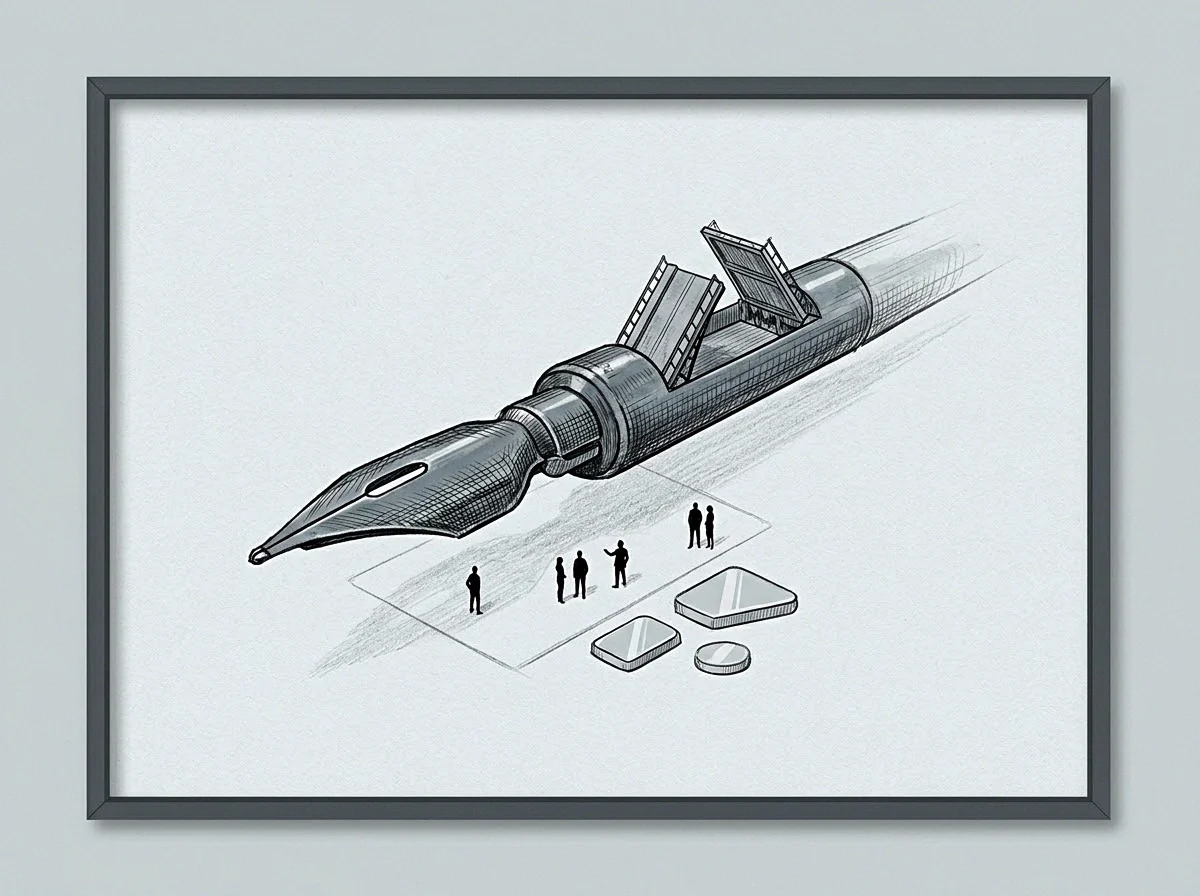
Gate
Protective covenants in investment agreements act as hard governance boundaries that shift authority away from operators. In non-distressed periods, board directors rarely exercise structural veto rights, leaving executive teams broad operational autonomy over budget allocations. A sudden drop in market liquidity triggers specific contractual thresholds that narrow financial flexibility.

Protective Covenants and Structural Veto Rights
Investor rights documentation contains explicit approval gates governing equity issuance, debt incurrence, executive compensation, and non-budgeted capital expenditures. When cash reserves drop below contracted thresholds, these operational gates convert advisory board oversight into direct management veto power.
Directors invoke charter provisions to block founder initiatives that lack documented probabilistic modeling. While a founder may view sudden asset sales or headcount reductions as damaging to long-term enterprise value—preferring aggressive, high-risk customer acquisition pivots—outside directors prioritize capital preservation to protect senior liquidation preferences.
Formal board authority derives from statutory obligations, shareholder agreements, and voting rights clauses detailed in the table below.
| Governance Dimension | Founder Tacit Heuristic Mode | Formal Board Authority Mode | Impact of Shock Trigger |
|---|---|---|---|
| Capital Allocation | Intuitive reallocation based on early customer pipeline signals | Strict adherence to board-approved annual budget allocations | Immediate veto of unbudgeted R&D or marketing expenditure |
| Risk Posture | Acceptance of operational failure risk to capture emergency market share | Minimization of downside solvency risk and director liability | Mandatory operational cost reductions to extend cash runway |
| Executive Staffing | Informal talent alignment based on relational trust and history | Formal committee oversight over key executive retention and compensation | Freeze on key hiring and potential founder replacement procedures |
| Strategic Direction | Rapid uncodified product line adjustments and business model shifts | Requirement for comprehensive market studies and written risk assessments | Paralysis of strategic execution during meeting cycles |
Activating investor approval clauses alters the operational dynamic between founders and directors. Execution stalls when investor rights agreements grant protective veto power to series preference holders over major operating decisions without defining an explicit emergency escalation pathway.
Wire
Communication channels between operators and oversight boards degrade rapidly when shock conditions compress decision windows. Tacit knowledge resides within individual operational mental models, rendering it resistant to swift documentation or codification. When market forces demand immediate pivot execution, managers lack the time to translate intuitive judgment into comprehensive board presentations.

Why Does Tacit Knowledge Fail Under Market Pressure?
The codification gap expands during market shocks because founder pattern recognition operates through rapid synthesis of ambiguous operational signals. A founder senses shifting customer churn dynamics through informal Slack channels, direct customer calls, and engineer pull-request rates. These informal metrics lack the institutional credibility required to convince conservative board directors.
Board directors demand standardized reporting artifacts, cash flow forecasts, and sensitivity analyses. Translating intuitive operational signals into formal board decks consumes operational bandwidth that would otherwise support business execution.
Structural friction between unwritten execution heuristics and formal board oversight manifests across three discrete operational failure modes.
- Cognitive Opacity occurs when executive operational mental models remain completely unwritten, preventing board members from evaluating the downside risks of intuitive strategic pivots.
- Fiduciary Variance emerges because corporate board members hold direct statutory liability for insolvent trading, while operators focus primarily on enterprise expansion and market survival tactics.
- Temporal Mismatch develops when founder execution cycles operate across hours while board oversight processes adhere to statutory notice periods, formal board packages, and bi-weekly meetings.
Uncodified operational intuition converts into perceived corporate insubordination when board directors demand audited downside scenarios during cash crises.
Failing to bridge tacit heuristics and formal authority leads to organizational paralysis during liquidations. Decision speed drops to zero, burn rates persist, and cash balance sheet buffers exhaust themselves while management and board members negotiate procedural jurisdiction.

Scale
Assessing governance breakdown requires examining how balance sheet scale and shock severity interact across operational scenarios. Consider an enterprise software firm carrying forty million dollars in annual recurring revenue alongside an eight-month cash runway facing a sudden fifty percent contraction in customer expansion rates. The founding Chief Executive Officer attempts to execute an emergency restructuring based on implicit pattern recognition from early seed-stage pivots.
The board of directors contains venture investors who hold contractual veto rights over restructuring plans exceeding two million dollars in expense adjustments.

Worked Analysis of Governance Paralysis Under Stress
The founder initiates a rapid sales reprioritization, shifting engineering capacity toward a new unproven mid-market product line without formal board authorization. The founder assumes that early customer signals validate the shift based on three verbal commitments from key accounts.
Outside directors view this pivot as an unauthorized reallocation of corporate assets that increases operational burn without board consensus. The investor directors exercise their contractual right under the investor rights agreement to call an emergency board meeting, freezing all non-budgeted product expenditures.
The operational timeline degrades through specific procedural steps over a six-week window during severe market distress.
- Week One: The market shock reduces expansion revenue forecast by sixty percent, leaving eight months of cash runway under current burn assumptions.
- Week Two: The founder unilaterally reallocates thirty engineers to a new mid-market initiative, halting enterprise core product development without updating the board deck.
- Week Three: Investor directors discover the resource diversion during an informal audit and demand an immediate audit of cash burn and operational reallocations.
- Week Four: The founder presents a hand-written three-slide operational pitch explaining the strategic shift using uncodified customer feedback metrics.
- Week Five: The board rejects the unwritten pitch, invokes protective covenants, and mandates a hiring freeze alongside an immediate operational cost reduction plan.
- Week Six: Engineering morale collapses due to shifting mandates, key customer renewals slip, and four months of cash runway dissolve in governance friction.
Formal board authority expands in direct proportion to the reduction of balance sheet runway.
The board demands a fully documented downside plan that proves cash neutrality within ninety days before authorizing any strategic reallocation of engineering resources.

Lever
Designing governance architecture capable of surviving market shocks requires explicit mechanisms that bridge tacit executive knowledge and formal fiduciary control before distress occurs. Waiting for a market contraction to align operational intuition with legal board authority guarantees operational friction. Boards must establish concrete structural translation protocols during stable market periods.

Predefined Escalation Protocols and Delegation Envelopes
A primary architectural mechanism involves establishing explicit founder discretionary envelopes defined by numerical balance sheet metrics rather than subjective board approvals. Board charters can grant the founder complete strategic discretion over capital reallocations up to a pre-set financial limit, provided cash runway remains above twelve months.
When cash runway drops below the twelve-month threshold, governance transitions automatically into a pre-scripted emergency protocol. This protocol converts subjective board oversight into objective, clear governance metrics, eliminating political maneuvering during board meetings.
Governance stability during market shocks rests on codifying operational decision thresholds before emergency board meetings convene.
A secondary architectural intervention involves mandatory heuristic codification workshops conducted twice per year. The founder translates unwritten operational assumptions regarding customer acquisition, technical debt, and product pivots into explicit board risk scenarios. This process removes cognitive opacity, allowing outside directors to evaluate founder pattern recognition before crisis conditions force emergency decisions.
Establishing clear governance boundaries prior to capital shocks preserves operational velocity while protecting director fiduciary obligations.