
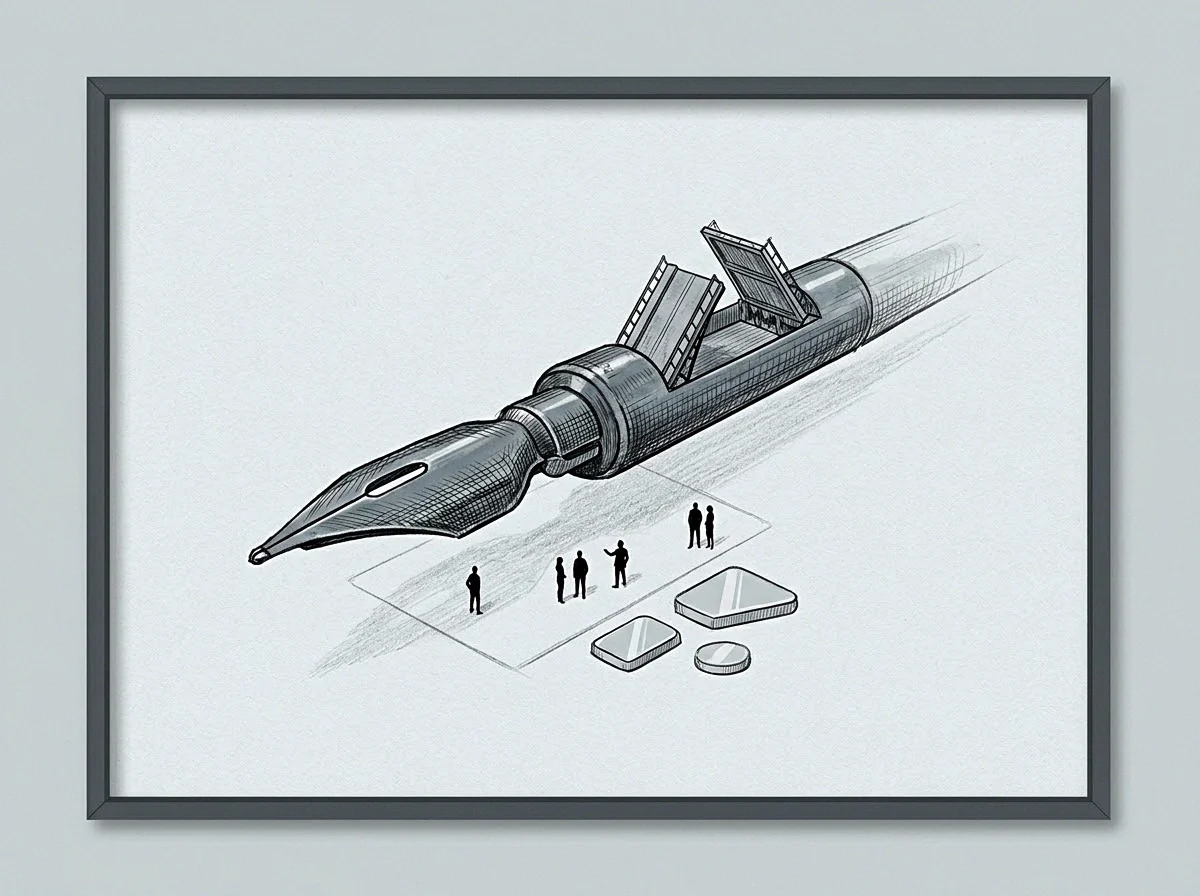
Governing Tacit Domain Knowledge Transfer When Former Code Maintainers Vacuum Formal Authority
Former software maintainers retain covert organizational control by hoarding undocumented architectural rationale while abandoning formal accountability.
Former software maintainers retain covert organizational control by hoarding undocumented architectural rationale while abandoning formal accountability.

Severing technical and operational access protocols eliminates predecessor shadow information loops and restores successor decision velocity.
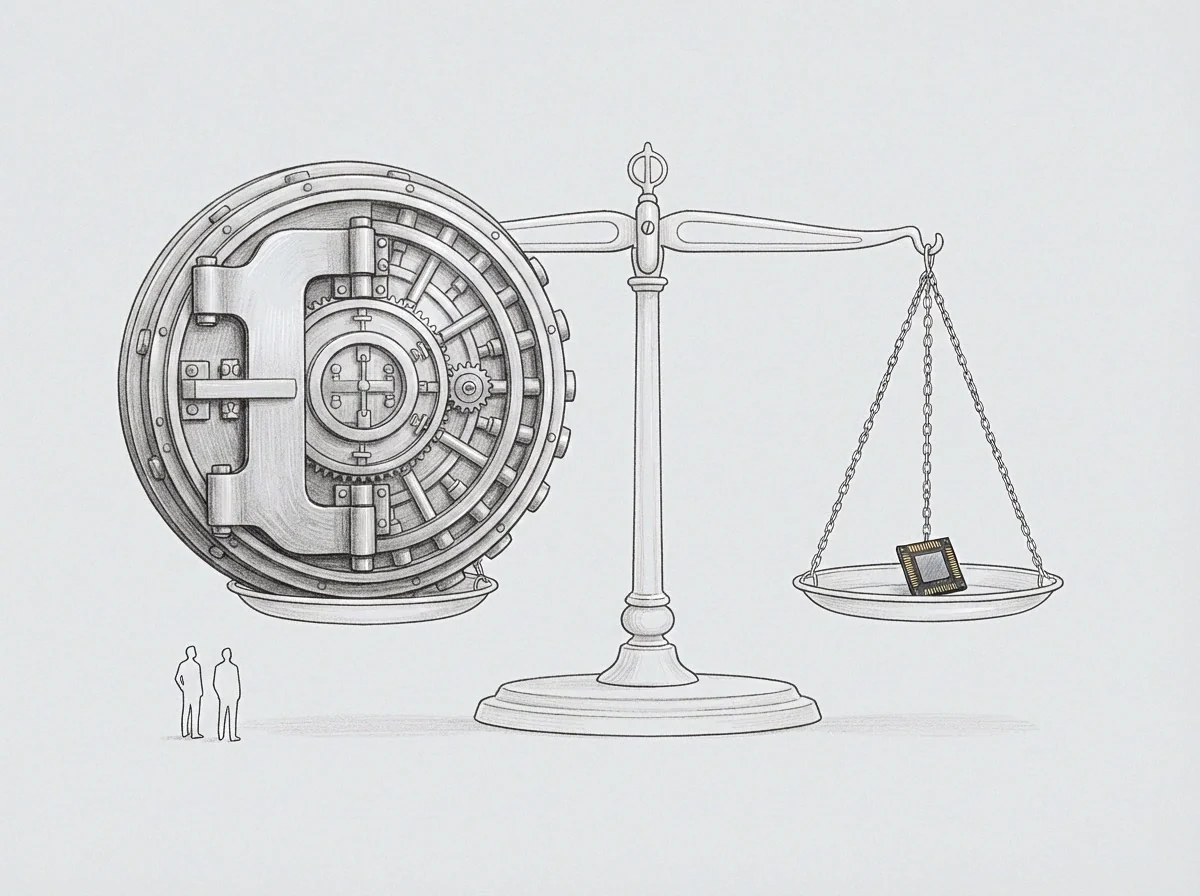
Executive role strain during scale transitions resolves by formalizing technical debt as a capital expense and decomposing the founder position into held seats.

Governance metrics measuring operational redundancy, dual signatory coverage, and process codification dictate uncodified capital retention during forced founder exits.

Grounding tacit operating rules requires extracting implicit executive heuristics into explicit decision guardrails before final owner exit.

Tacit knowledge loss occurs when owner-operators depart without transferring unwritten perceptual heuristics and informal social credit networks to successors.

Enterprise account succession requires measuring tacit quality expectations through critical incident interviews and staged dual run shadowing protocols.
Enterprise account handover sequences establish performance benchmarks by measuring relationship decay, tacit knowledge capture, and capacity transfer timelines.

Autonomous governance systems reach structural capacity limits when unindexed operational ambiguity demands tacit contextual sensemaking rather than deterministic code execution.

Decision latency during executive handovers tracks the temporal expansion between operational triggers and authorized determinations across ownership transitions.
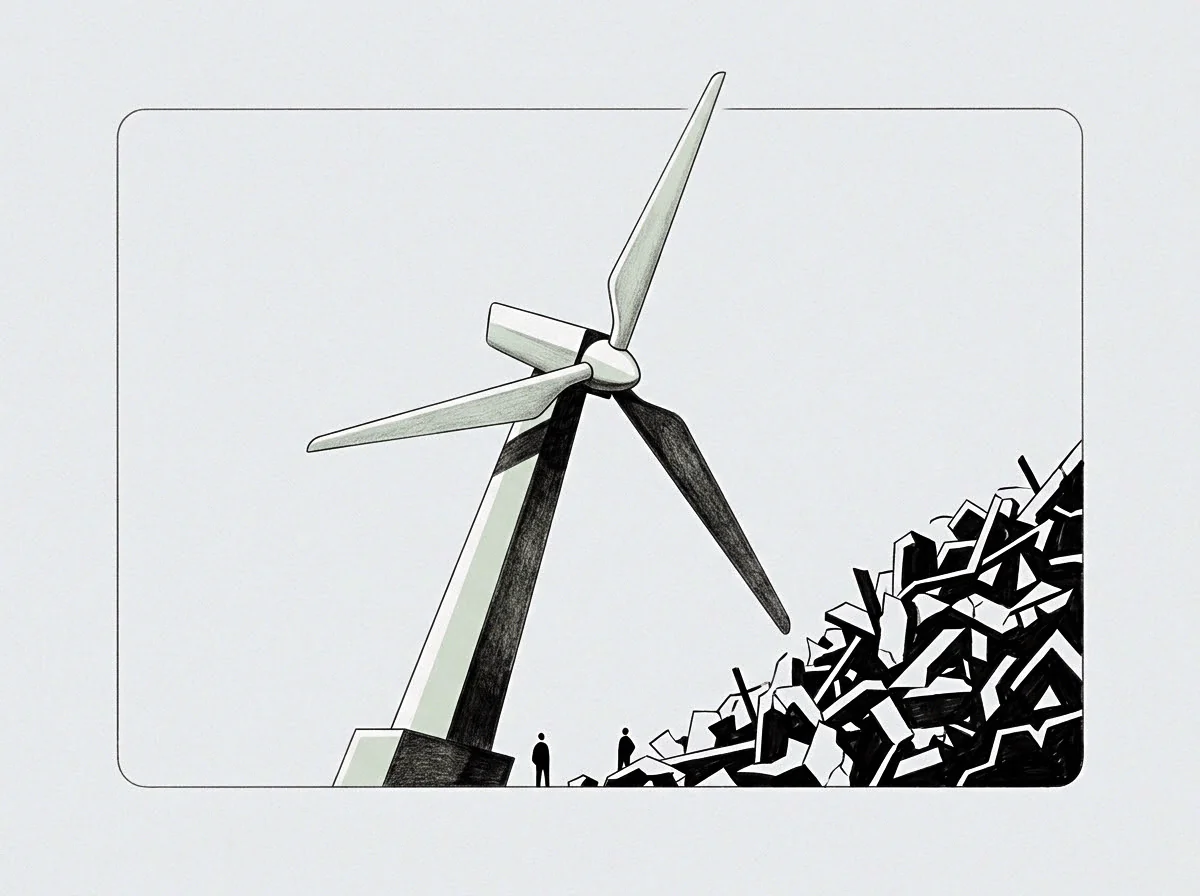
Tacit knowledge decay occurs as incoming executives lose access to uncodified decision heuristics following the abrupt removal of transitional cognitive scaffolding.
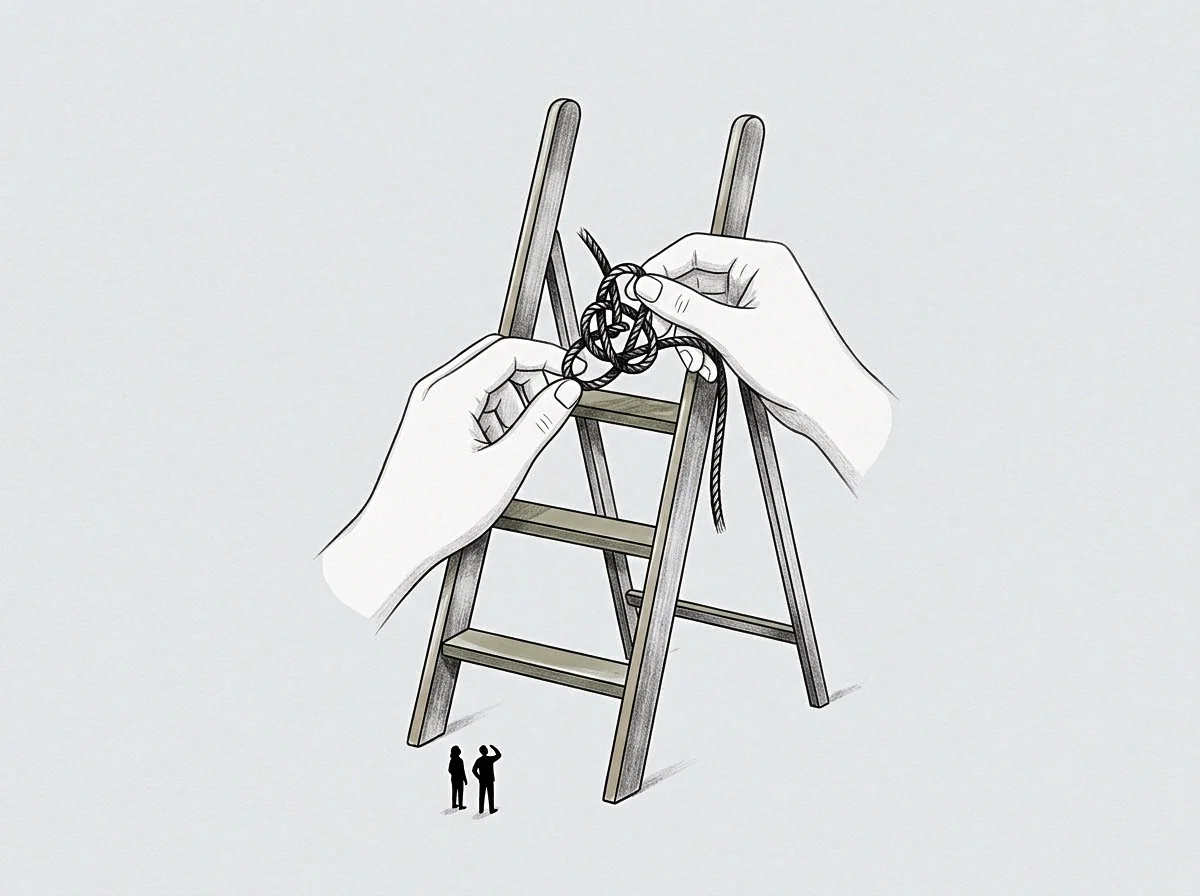
Executive judgment codifies through structured extraction of decision thresholds and calibrated simulation rather than static operating manuals.

Organizational performance decays post-founder exit when uncodified cognitive routines and implicit sensemaking models exhaust their operational momentum.
The terms are written where they belong. Each field holds three desks, and every entry a desk writes raises the terms it uses, each term given a meaning, a mechanism and the places it appears. The record on these pages stays first person and hand made; the fields grow the nomenclature.