
Tacit Knowledge Loss Vectors During Executive Transitions in Owner-Operated Entities
Tacit knowledge loss occurs when owner-operators depart without transferring unwritten perceptual heuristics and informal social credit networks to successors.
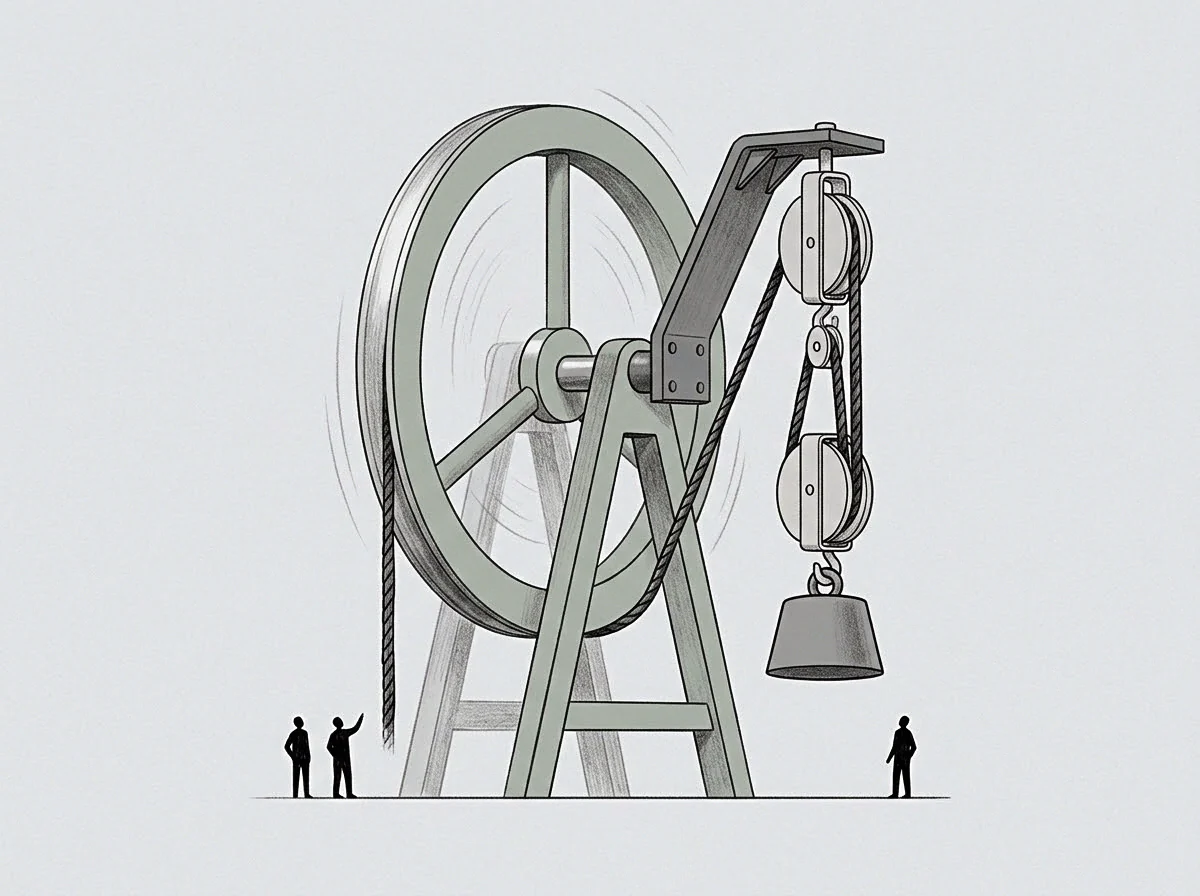
Breach
The transition binder sits on the conference table unopened past page two. Beside it rest three phones, two passwords written on adhesive squares, and a ledger containing account numbers without the verbal concessions that make those numbers functional. The incoming executive sits in the room during week two, watching a direct report pause in the doorway, weigh an operational decision, and walk down the corridor to telephone the retired founder at home.
The formal organization chart indicates complete supervisory transfer, yet the working entity responds exclusively to thirty years of unspoken tolerances.
An owner-operated firm stores much of its governing logic inside the habits and memory of the person who built it. When an executive transition occurs, documentation captures the explicit material: balance sheets, contracts, vendor directories, and system logins. The tacit layer remains stranded inside motor habits, unwritten heuristics, and personal networks built across decades.
Without that layer, formal operations run with heavy friction, misread informal cues, and stall at every exception.
Demonstrated action transfers procedural heuristics only while the departing owner remains physically present to correct deviant interpretations.
Knowledge loss rarely takes the form of an immediate collapse. Instead, small inefficiencies compound across junctions where explicit rules never existed. In a firm generating forty million dollars in annual industrial fabrication, the founder maintained no documented pricing model for legacy accounts, calculating bids from steel spot prices, historical scrap rates, customer payment punctuality, and seasonal shop floor capacity.
The successor quotes every job using standard margin percentages published in the software. Within three quarters, high-margin legacy clients migrate to regional competitors while unprofitable, demanding accounts expand. The business slows down because the heuristic died with the tenure.
When unwritten pricing logic vanishes from the executive suite, the successor absorbs margin erosion without seeing the variable that caused it.

Bench
Direct inspection of the firm reveals where tacit heuristics cluster. Operations divide between areas where formalization works and areas where personal practice remains the only standard. An owner-operator functions as the final decision-maker across four distinct operational zones.
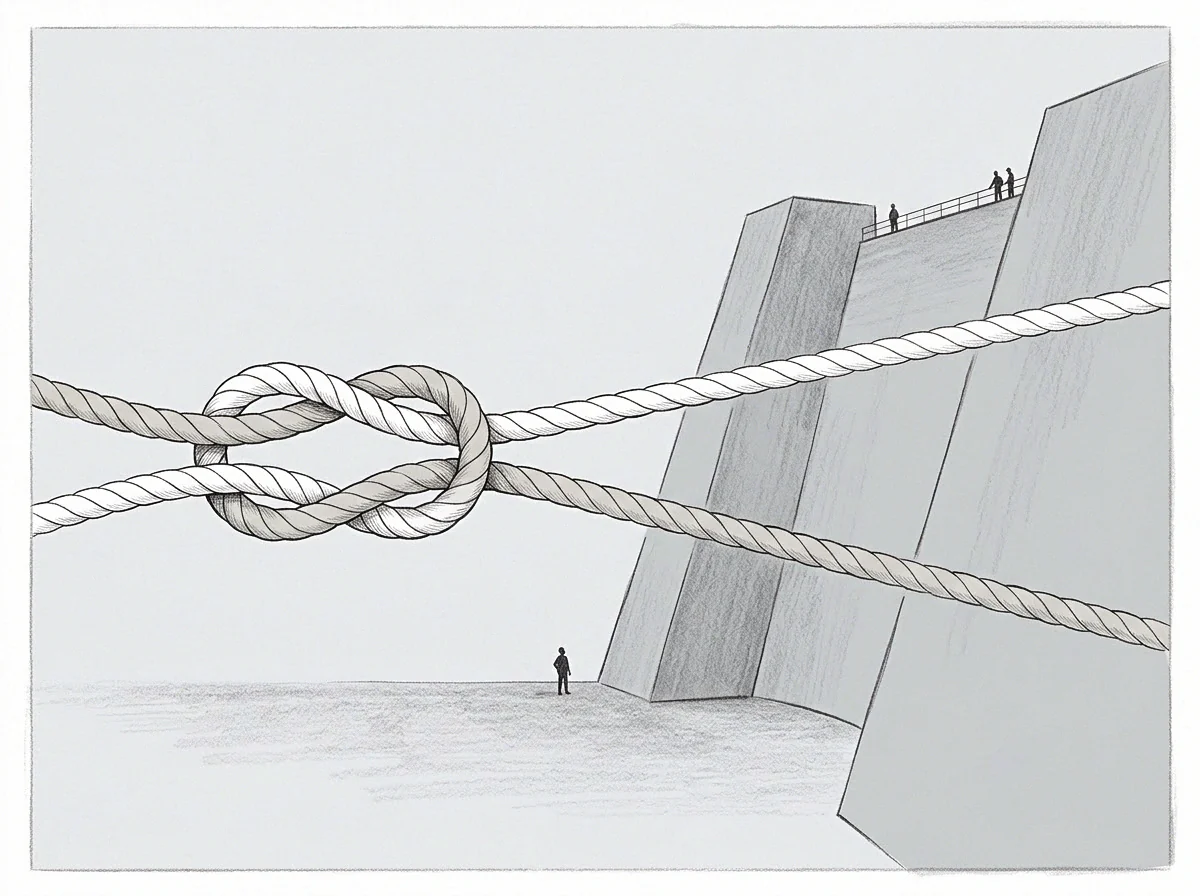
Informal Diagnostic Routines
The founder often spots mechanical and organizational drift before instruments register deviation. On a fabrication shop floor, for example, the owner touches a stamping housing, detects harmonic chatter three decibels above typical resonance, and orders tooling replacement twelve hours before tolerance failure occurs. The successor relies on maintenance schedules logged in database software.
The equipment breaks during an overnight production run, idling forty laborers. The explicit schedule matched manufacturer specifications, but physical familiarity with material fatigue departed with the founder.
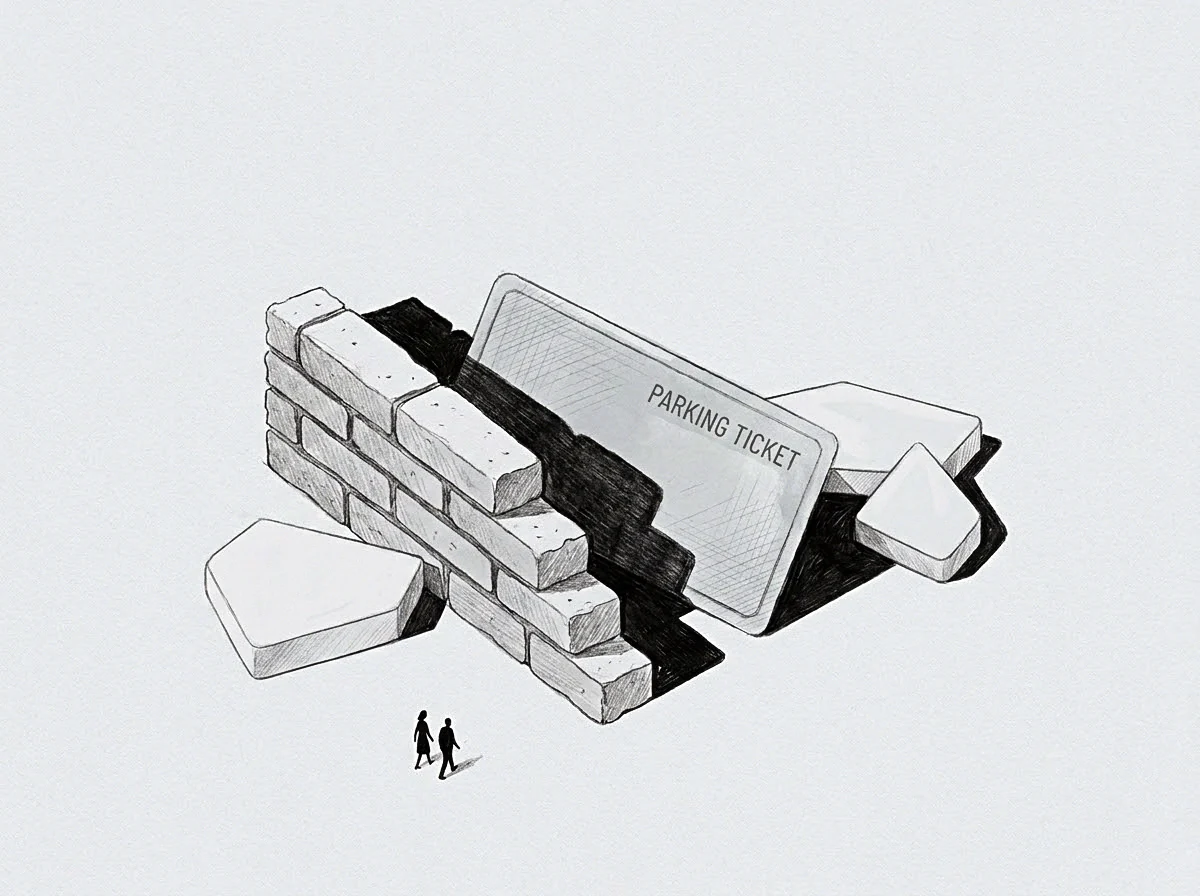
Vendor Relationship Concessions
Commercial contracts contain nominal payment terms and actual payment terms. Decades of reciprocity allow the owner to stretch payables thirty days during inventory builds without triggering credit holds. Suppliers extend this leeway because the founder guaranteed an emergency raw material delivery during a winter blizzard twenty years prior.
That standing resides solely in individual reputation.
- Relational debt capacity contracts immediately upon the departure of the founding operator, forcing cash cycles into strict alignment with standard thirty-day terms.
- Unwritten discount matrices disappear from procurement discussions, raising input acquisition expenses across customized product lines.
- Emergency supply escalations cease functioning after the personal telephone contact drops from company ownership.
A written contract sets the floor of legal obligation while the owner’s personal history governs operational variance.
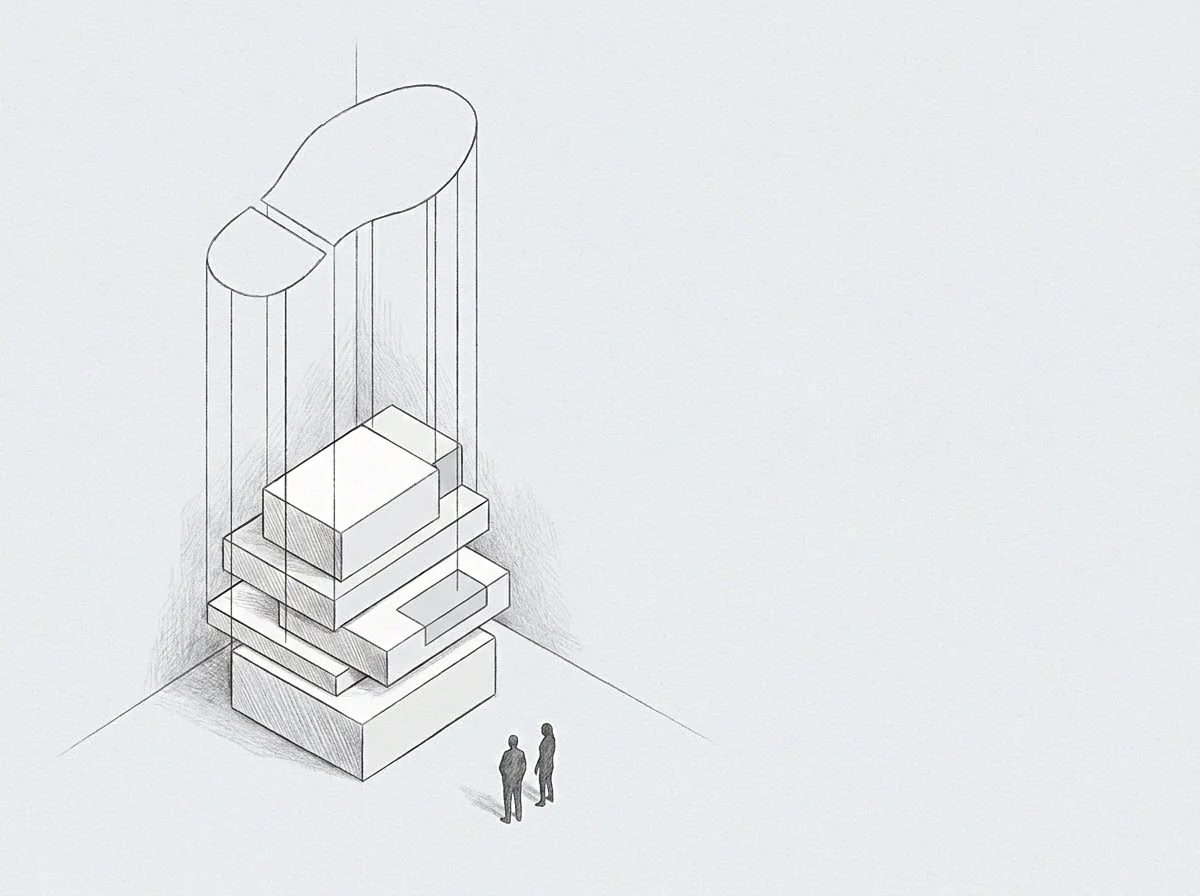
Tacit Escalation Pathways
Personnel issues inside owner-managed entities rarely follow formal grievance procedures. Employees bring interpersonal friction, compensation requests, and personal emergencies directly to the owner desk. The owner balances technical competence, family ties, institutional tenure, and past loyalty.
The incoming corporate officer replaces this personal discretion with uniform employee handbooks and standard human resource channels. Key technicians view the change as a breach of trust and resign within six months. Technical capability evaporates through departures prompted entirely by administrative standardization.
The previous owner handled these adjustments over coffee without generating an official record.
Erosion
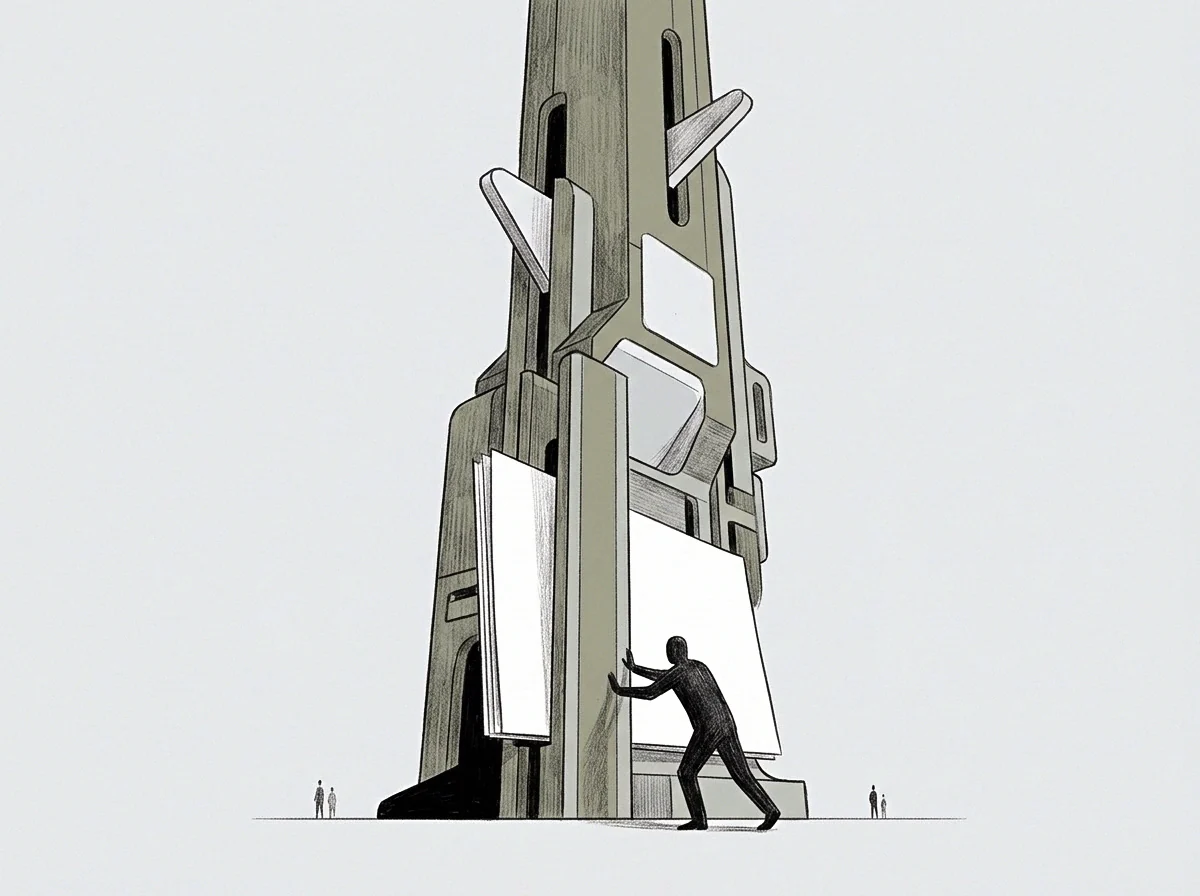
Every operational handover experiences measurable knowledge dissipation. The rate of loss corresponds to the organizational distance between the departing founder and incoming leadership. Institutional memory rarely survives clean breaks.
Whose Authority Controls Exceptions During Transition?
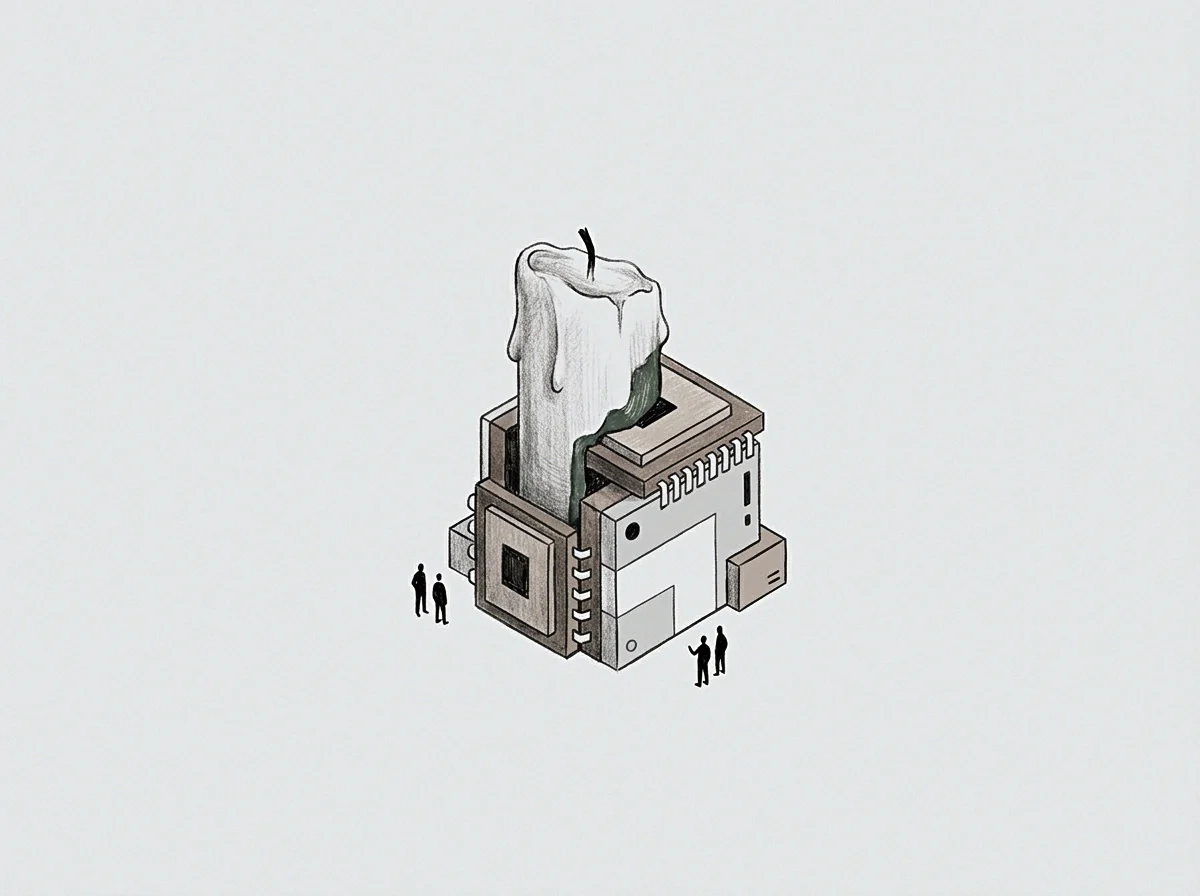
During the interim period when the founder retains an advisory role while the incoming officer holds legal authority, an organizational split develops. Subordinates bypass the successor to seek verbal decisions from the founder, reinforcing reliance on unrecorded heuristics. The incoming leader either defers to historical precedent, surrendering authority, or insists on strict compliance with written guidelines, breaking unspoken customer agreements.
Authority fragments wherever unwritten discretion governs daily operations.
| Transition Architecture | Retention Mechanism | Tacit Knowledge Decay Rate | Direct Operational Consequence |
|---|---|---|---|
| Abrupt Transactional Sale | Electronic handoff binder | Seventy to eighty percent loss within thirty days | Immediate disruption of customized client service models |
| Structured Dual-Operator Phase | Side-by-side executive apprenticeship | Twenty to thirty percent loss across twelve months | Delayed decision latency and duplicate executive compensation expense |
| Advisory Retainer Model | Monthly telephone consultations | Fifty to sixty percent loss within ninety days | Successor hesitates on strategic trade-offs while operational context fades |
| Internal Management Buyout | Decade-long cultural socialization | Ten to fifteen percent loss over multi-year period | Preservation of unwritten heuristics accompanied by strategic path dependency |
Research on skill transfer shows that attempts to write down an entire operational schema quickly yield diminishing returns. Explicit codification captures procedural steps, sequences, and definitions, but misses perceptual patterns, exception handling, and contextual improvisation. The founder operates through physical cues, staff micro-expressions, and acoustic changes on the shop floor.
Those signals resist translation into operating manuals.
Unwritten judgment evaporates the moment an operational exception is forced into a standard manual.
A toolmaker in an owner-managed shop gauges cutting fluid flow by the smell of vaporized coolant and the color of curled steel chips rather than temperature gauges. When that toolmaker leaves, the shop installs automated sensors. The sensors track heat, but miss ambient factory humidity and batch variance in cast metal alloy.
Scrap rates climb four percent within a month. The sensor monitors a single variable; the departed machinist processed seven environmental inputs simultaneously through embodied routine.
Whether an incoming management team can reconstruct forty years of perceptual shortcuts through software telemetry remains doubtful when the founder’s physical senses provided the firm’s primary feedback loop.

Audit
Pre-transition discovery must move beyond balance sheets to locate uncodified vulnerabilities before a transaction closes. An institutional knowledge inventory isolates the exact points where undocumented individual choices govern cash flow. The diligence process examines the owner’s calendar, email records, and daily operational interruptions.
Locating Sole-Sourced Discretion
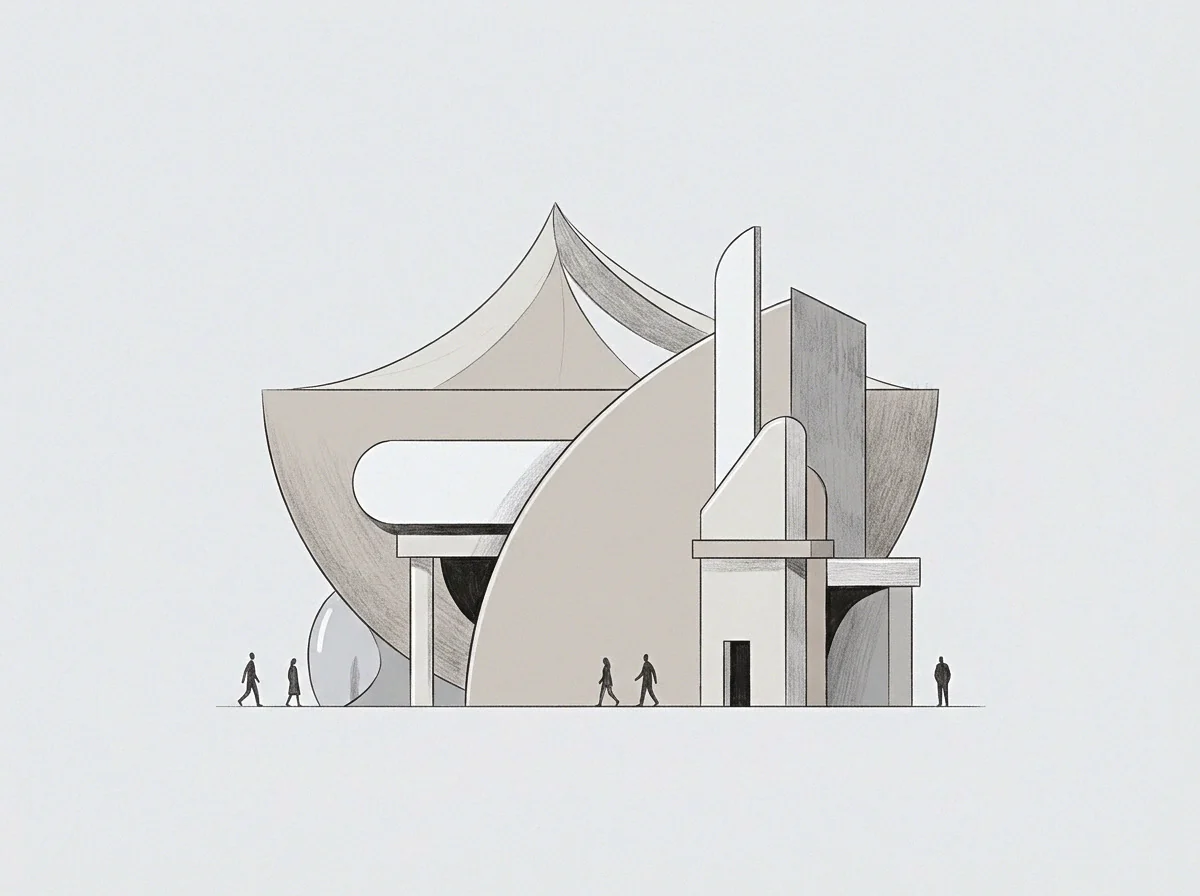
Every unrecorded concession represents an unhedged operational risk. Effective diligence traces recurring commercial outcomes back to their personal origin, mapping every decision exceeding five thousand dollars executed without written policy guidance over the preceding twenty-four months.
- Shadow workflow documentation isolates unwritten handoffs occurring between production teams and administrative managers without ticketing systems.
- Client exception catalogs record special delivery terms, non-standard invoicing cycles, and verbal specification relaxations granted by the owner.
- Informal supplier alliances map undocumented trade credit expansions, rush order priority agreements, and proprietary component sourcing channels.
Once documented, these operational channels require structured observation. The successor shadows the owner through unscheduled interactions for at least ninety consecutive business days. Rather than observing passively, the successor notes each minor decision, asks for the unstated rationale immediately after the exchange, and records the underlying rule of thumb in a working manual.
The fragility of a proprietary business process appears clearly when the person who created it is barred from answering the phone for a week.
Tenure
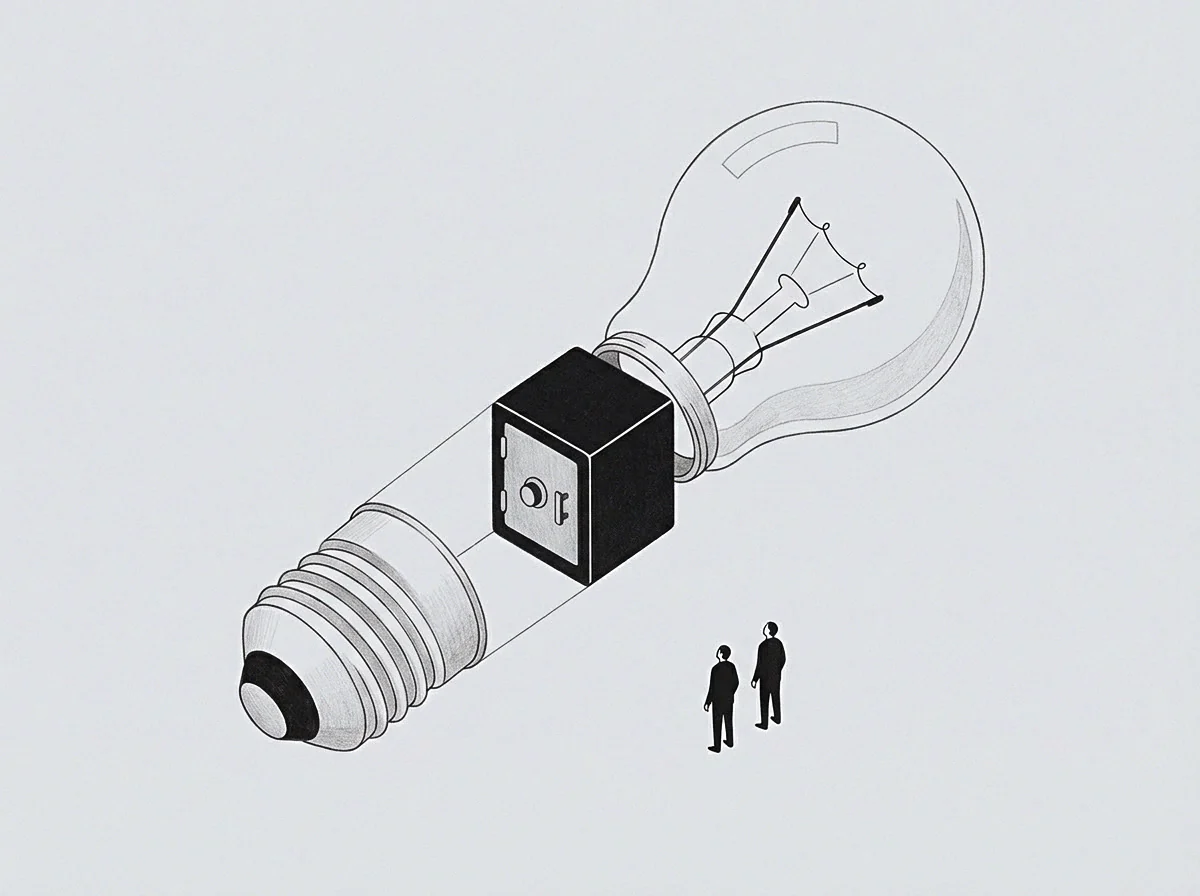
The final phase of executive succession requires dismantling the founder’s daily administrative monopoly. Scaffolding must support the incoming team while unwritten authority transfers systematically. Keeping the founder indefinitely as an open-ended advisor prolongs dependency and stalls executive decisions.
The transition requires a time-delimited, compensation-linked protocol for knowledge transfer.
The contract separates physical departure from operational departure. Phase one restricts the owner to real-time demonstrations of undocumented workflows. Phase two moves the owner to an observation seat, where the successor executes decisions while the founder critiques how the heuristic is applied.
Phase three ends on-site presence, leaving asynchronous communication as the sole contact route for pre-authorized emergencies.
A transition protocol succeeds only when operational authority decouples entirely from personal relationships.
A transition plan without structured operational milestones risks severe loss. The business can harden under bureaucratic controls that erode the agility that made it profitable, or drift into disorder as unrecorded vendor and client expectations unravel simultaneously. Much of the value in an owner-operated enterprise sits outside equipment or trademarks, resting in the shared, unwritten habits of the staff executing daily work.
A retention clause conditioning final equity release on the thorough demonstration of proprietary vendor pricing models helps prevent immediate post-closing margin decay.