
Governance Mechanisms Regulating Tacit Relationship Transfer in High Value Enterprise Accounts
Structured bilateral shadowing and trailing compensation splits institutionalize tacit commercial history to protect enterprise accounts during handovers.

Wedge
An enterprise account lead opens a direct message from the buyer’s chief operating officer at midnight. The message brings up a payment concession agreed over dinner six months earlier, recorded nowhere in the customer management system or corporate files. With contract renewal coming up, every practical assumption about the partnership lives only in the lead operator’s memory.
When that operator steps down, the firm realizes the buyer hired the individual, not the company.
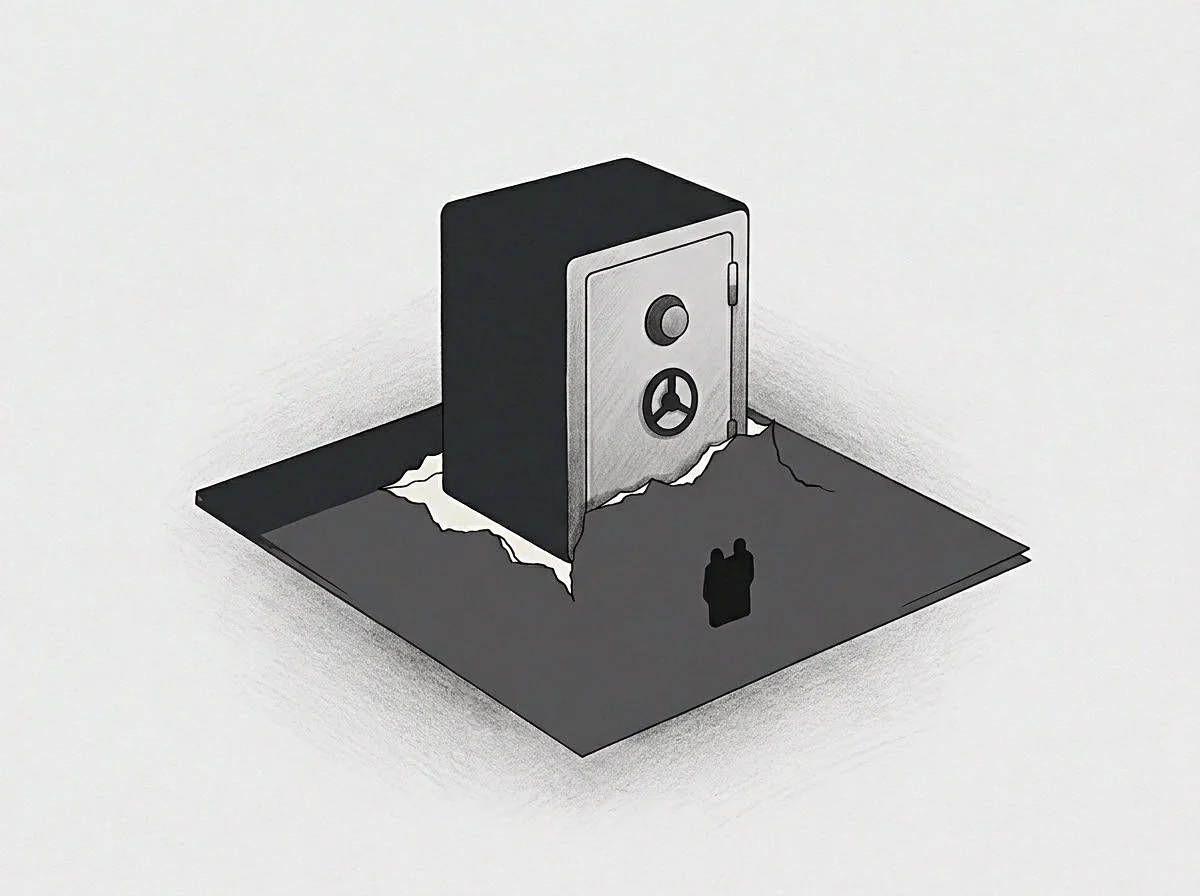
The Single Point of Personal Leverage
Enterprise buyers commit capital to institutions while placing their operational confidence in individuals. That confidence forms through years of unrecorded concessions, shared crises, and subtle understandings regarding service margins. The outgoing lead holds uncodified expectations regarding how the client accepts bad news, which executives hold informal vetoes, and what pricing adjustments resolve disputes without executive escalation.
When an enterprise attempts to transfer that account without explicit governance, the relationship fractures as the client experiences the sudden arrival of a new face as an administrative disruption.
A commercial account remains vulnerable whenever unspoken commitments live exclusively inside one person’s private notes.
An outgoing executive often treats commercial history as personal property. In early-stage companies, founders form direct personal bonds with buyers to compensate for a lack of institutional reputation. During succession, those bonds turn into liabilities.
The client calls the founder directly because the founder can override standard operating procedures to fix problems. The incoming manager has no such latitude, so the client sees the handover as a collapse in service quality.

Structural Account Custody Against Informal Goodwill
Relational equity needs to become institutional property well before a transition starts. Governing an account means taking structural control of communication channels, contract amendments, and price accommodations. When high-value relationships run through personal backchannels, stability suffers.
Operators naturally hoard details when compensation models reward individual retention instead of smooth handovers.
Organizations mitigate this by enforcing formal reporting long before any succession announcement. Every past compromise on scope, service credits, or custom delivery schedules goes into a central database. The buyer’s team is formally notified that account management now includes a broader leadership group.
Without a structured record of past verbal agreements, revenue risks immediate churn the moment the original lead leaves.

Protocol
Standard operating procedures rarely capture the minor negotiations that keep major clients satisfied. A proper transition plan uses scheduled interactions to bring implicit working habits into the open, moving through distinct phases where both operators share client exposure in front of executive buyers.

Formalizing Tacit Commercial History
Written notes cannot capture how an experienced operator reads a client’s hesitation during quarterly price reviews. The successor has to see those moments firsthand. Formal transition rules mandate joint prep sessions and debriefs after every client meeting to capture those nuances.
- Tripartite governance charters delineate decision authority between the exiting account director, the designated successor, and executive leadership during the transition window.
- Account custody logs capture informal operational exceptions, client political dynamics, executive preferences, and historical pricing flexibility omitted from formal contracts.
- Shadowing milestones govern the step-by-step transfer of client authority based on proven understanding of account context rather than set calendar dates.
- Bilateral escalation covenants require the outgoing lead to route incoming client requests through the successor while staying visible as a safety net.
When the outgoing operator explains why a discount was granted two years ago, trade-offs obscured by standard financial reports come to light. The successor learns the client accepted delayed implementation schedules to lock in price stability, which fundamentally changes future negotiations.
Account handover fails whenever governance links authority to calendar dates instead of verified operational comprehension.
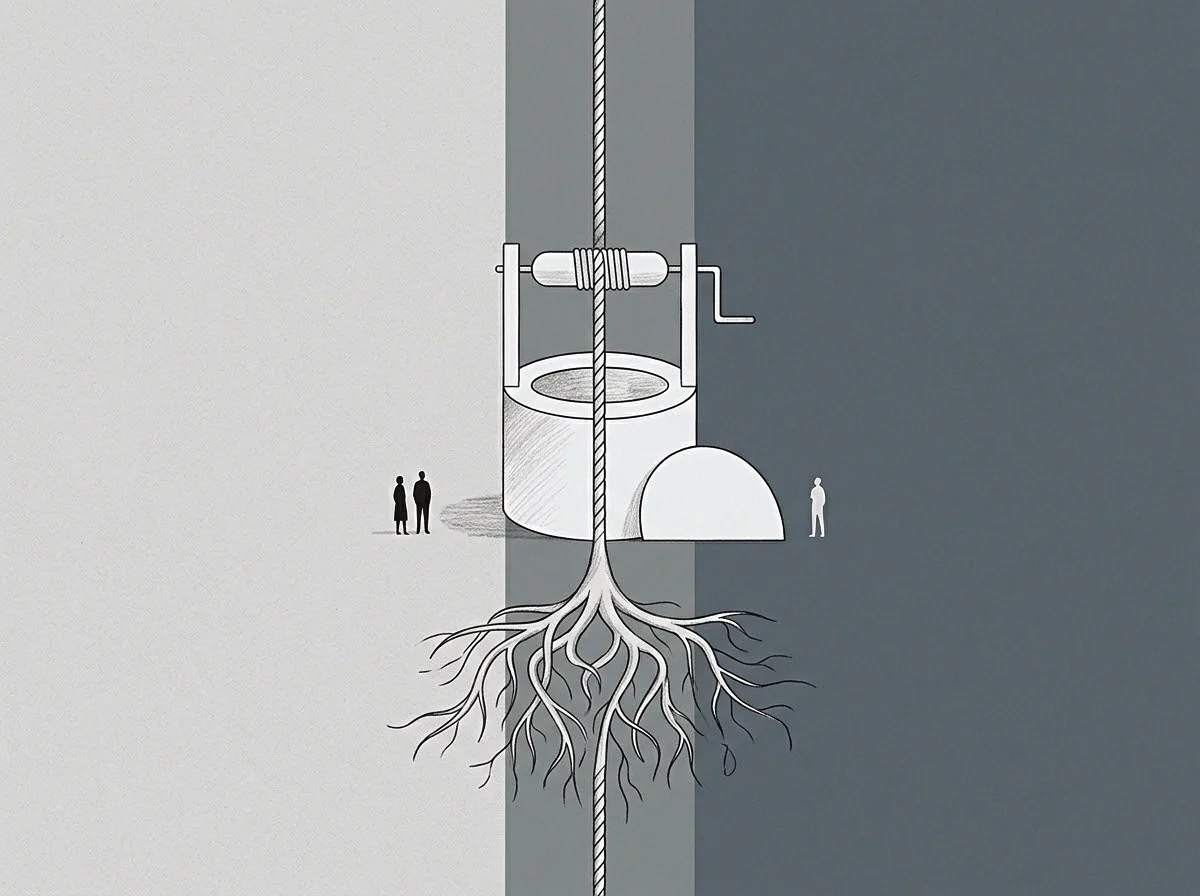
Bilateral Exposure Rhythms
Attending meetings together serves as the primary way tacit knowledge gets passed along. The handover process separates watching from doing: early on, the outgoing lead runs every commercial meeting while the successor listens, observes communication habits, and maps out internal political dynamics on the buyer’s side.
In the middle phase, the successor takes over agenda setting and standard commercial issues. The outgoing lead steps back, intervening only when historical context is needed to prevent commercial mistakes. This structure protects the account while letting the incoming operator build standing.
The transition ends when the successor handles annual contract negotiations without help. To enforce this, rules state that unwritten concessions granted during this period expire unless logged in the central repository within twenty-four hours.

Room
In-person meetings expose informal decision-making dynamics that contracts never show. Across negotiation rooms, client executives signal alliances through seating choices, glance patterns, and sidebar remarks. Where the outgoing owner relies on long-established habit, the successor must learn to read these cues in real time.

Joint Attendance in Enterprise Reviews
Announcing a new account lead over email signals indifference to a major buyer, who will view sudden staffing changes as a risk. Governance guidelines require handovers to happen in person across at least two consecutive quarterly business reviews.
Clients watch how the two leads interact during these sessions. If the outgoing executive contradicts the successor in public, the client learns to bypass the new lead. Proper protocol enforces a clear division: the successor handles all future operational commitments, while the departing lead provides historical context.
Silence from the outgoing partner carries real weight, signaling full organizational backing for the successor.
- The outgoing lead introduces the successor as the primary operational contact while retaining formal responsibility for contract renewals.
- The incoming lead takes over ongoing operational reviews while the departing lead moves into an executive sponsor role.
- The incoming lead conducts renewal discussions directly, while the outgoing partner sits in strictly as a silent observer.
- The outgoing partner steps away from client reviews entirely, handing all operational and commercial oversight to the successor.
A successor owns the seat only when the buyer stops copying the original account owner on commercial escalations.

Which Institutional Safeguards Prevent Account Defection?
Clients frequently push back on personnel transitions because familiarity reduces administrative friction. When a key contact leaves, buyers often see an opening to renegotiate terms or test competing suppliers. Structural safeguards insulate contract revenue against that impulse.
Multi-threaded governance connects internal teams directly with their counterparts inside the client’s organization. Technical leads sync with technical leads, legal operators work with compliance officers, and finance leads deal with procurement. This matrix dilutes any single account manager’s personal leverage.
When a primary contact leaves, the operational web stays intact; terminating the relationship would mean dismantling dozens of working connections. Institutional channels remain effective once service reliability proves stable through the transition.

Split
Financial arrangements directly dictate how smoothly an exiting operator transfers client relationships. Expecting an executive to hand over accounts without economic protections creates bad incentives: the outgoing lead protects their standing by withholding operational nuances, guaranteeing the successor struggles without them.

Margin Allocation Across Succession Phases
Compensation models must align incentives during the transfer period. Standard commission structures award all revenue credit to whichever individual closes the contract, encouraging relationship hoarding. A governed handover instead splits revenue and margin credit across several quarters.
Different compensation structures regulate account handovers with varying degrees of success under commercial pressure.
| Mechanism Type | Structural Operation | Knowledge Capture Rate | Primary Vulnerability |
|---|---|---|---|
| Trailing Margin Annuity | Declining commission split paid to outgoing operator across four quarters | Moderate codification with high meeting participation | Premature withdrawal of operational guidance once baseline annuity secures |
| Bilateral Shadowing Retainer | Fixed quarterly stipend conditioned on documented transfer milestone completions | High codification across informal client preferences | Administrative overhead tracking compliance with qualitative transfer benchmarks |
| Succession Milestone Holdback | Equity or cash bonus released upon client contract renewal under new lead | Comprehensive transmission of unwritten commercial history | Client resistance if renewal negotiations coincide with personnel friction |
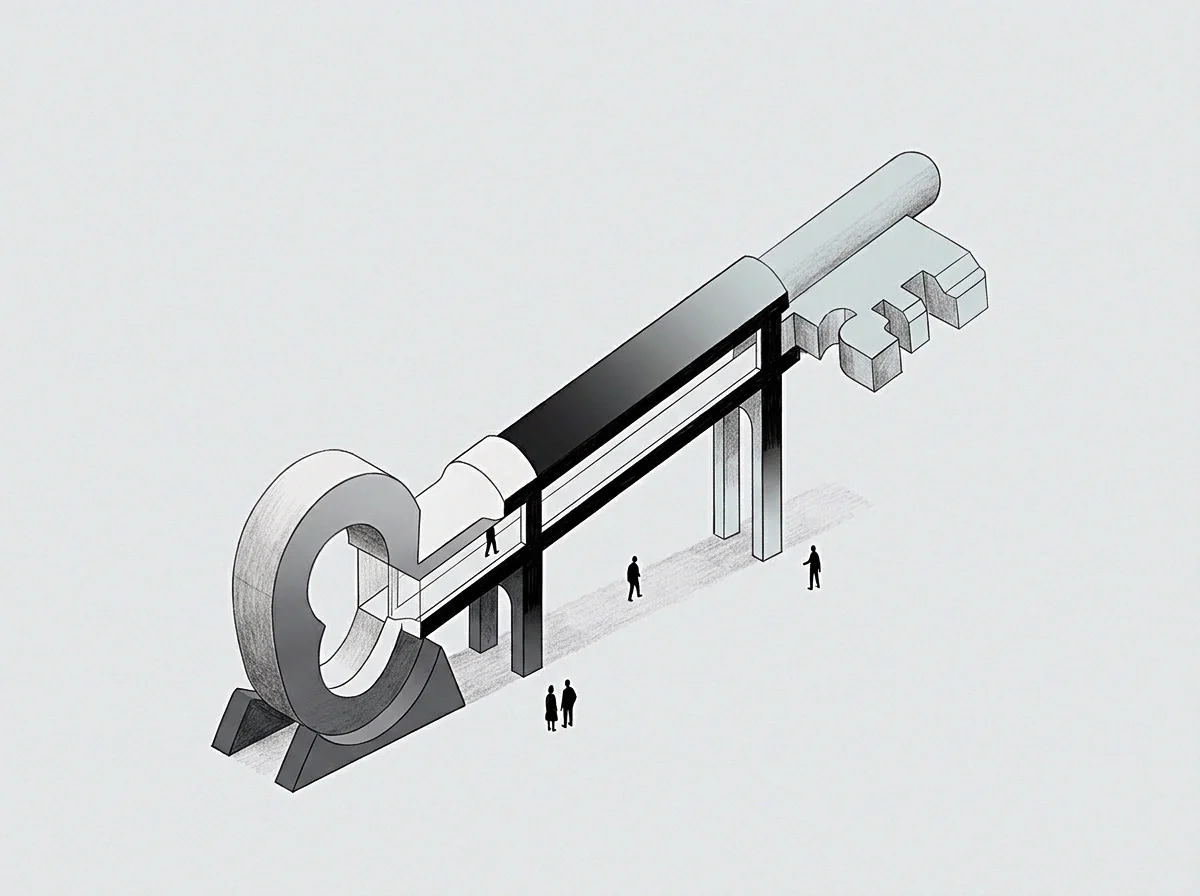
Economic Alignment Between Incoming and Outgoing Operators
A poorly structured commission split pits incoming and outgoing managers against each other. If the successor takes a compensation cut during the transition, friction mounts over paying ongoing commissions for past relationships while the day-to-day workload falls on the new lead.
Compensation models that penalize either the incoming or outgoing account lead guarantee the destruction of informal client trust.
Conversely, an outgoing executive stripped of commissions immediately upon transfer has little reason to share unwritten client knowledge, often allowing the successor to stumble to demonstrate their own value. Effective governance ties trailing payouts to account retention twelve months post-transition. When financial rewards align with long-term account stability, knowledge hoarding stops, and the outgoing partner coaches the successor on client nuances, political dynamics, and pricing limits.
Preserving existing accounts retains significantly more enterprise value than attempting to rebuild broken ones.
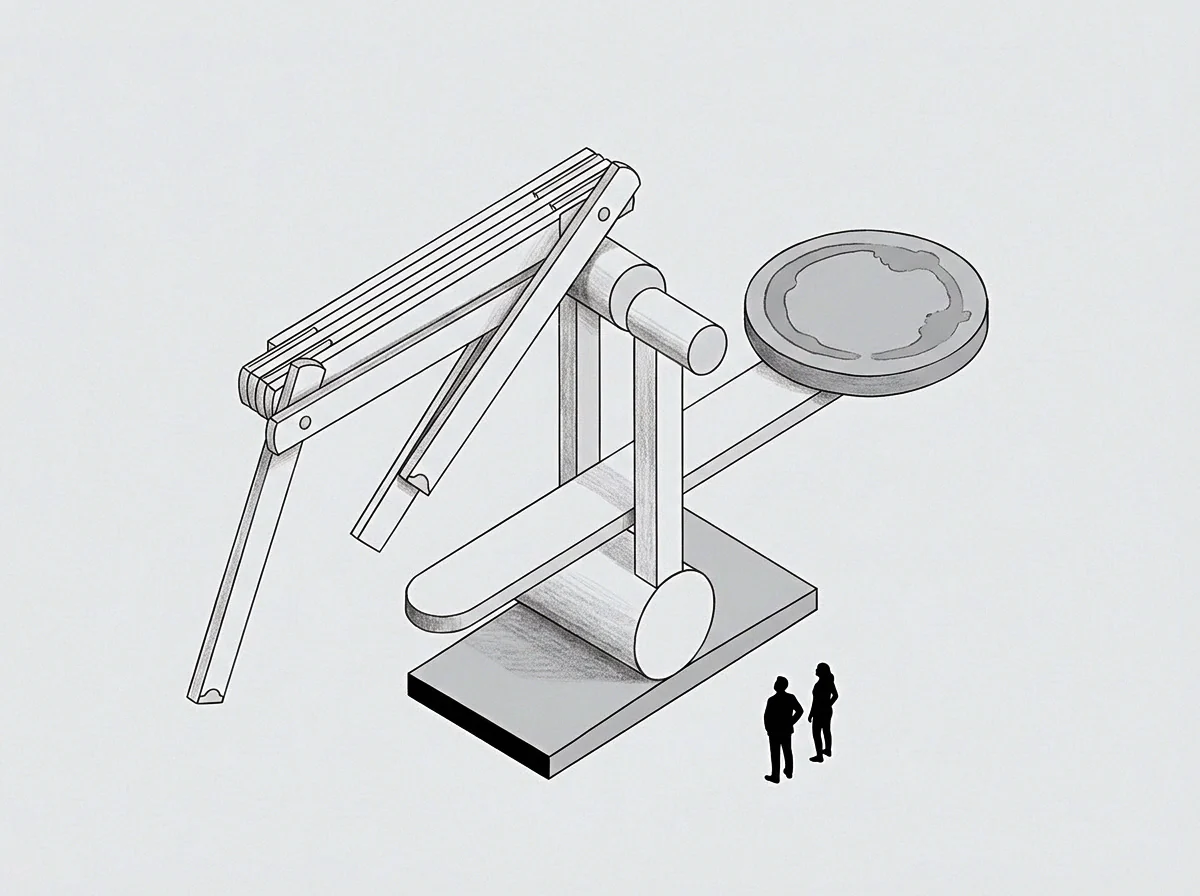
Parity
An account reaches balance when the buyer sees no difference between the original service standard and the successor’s execution. Knowledge transfer succeeds when the incoming lead resolves friction using established context rather than improvised concessions. At that point, the firm owns the relationship.

Client Verification of Operational Continuity
Testing a handover requires observing client reactions during operational stress. If a delivery delay occurs and the buyer reaches out to the new account lead without escalating to the founder, parity is established.
Continuity depends on how well the new lead grasps the buyer’s internal constraints, such as knowing which performance metrics the client sponsor needs to hit for their annual bonus. That insight lets the successor frame proposals around those priorities. Once the buyer sees their interests protected with the same care as before, continuity replaces personal attachment.

Residual Authority and Complete Disengagement
The final phase requires severing the original operator’s remaining connection to the account. Handovers often stall here because founders and partners linger on email threads as passive observers. That ongoing presence undermines the successor’s authority and signals hesitation to the client.
Complete disengagement requires removing the former lead entirely from account communication, meeting invites, and escalation paths. Any incoming client inquiries are routed straight back to the successor without executive interference. If the buyer tries to pull the founder back in, the founder makes clear that authority rests with the new account lead.
Setting this boundary forces the client to adapt, allowing the outgoing operator to step away while leaving behind a durable account asset. Whether commercial loyalty can ever be fully separated from personal charisma remains an open question that contracts try to resolve, but ongoing relationships continually test.