Meaning
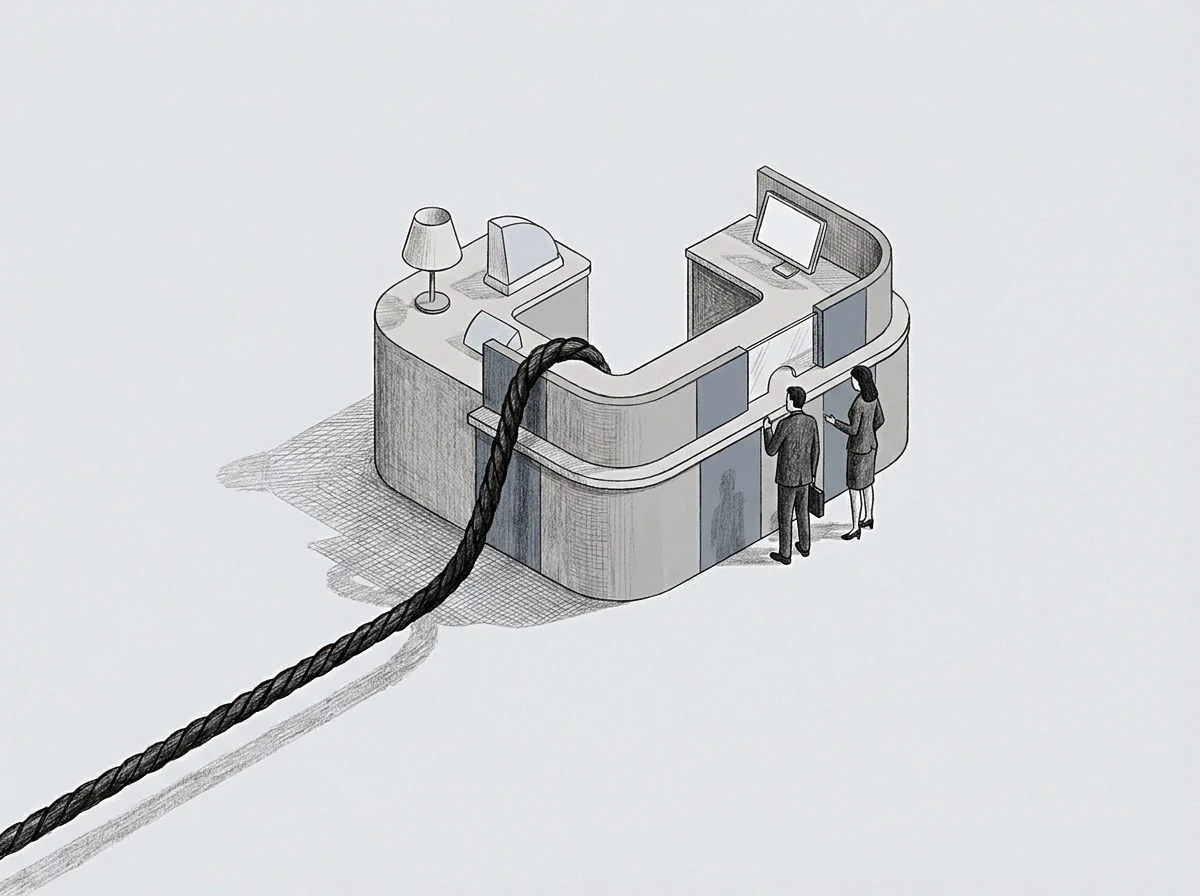
Formal process through which a member of the senior leadership team vacates their position and relinquishes their operational duties. An executive departure marks a critical transition point for a founder who is moving from a management role to a board-only seat. It requires a redistribution of authority and a transfer of institutional knowledge.
Leadership Transition
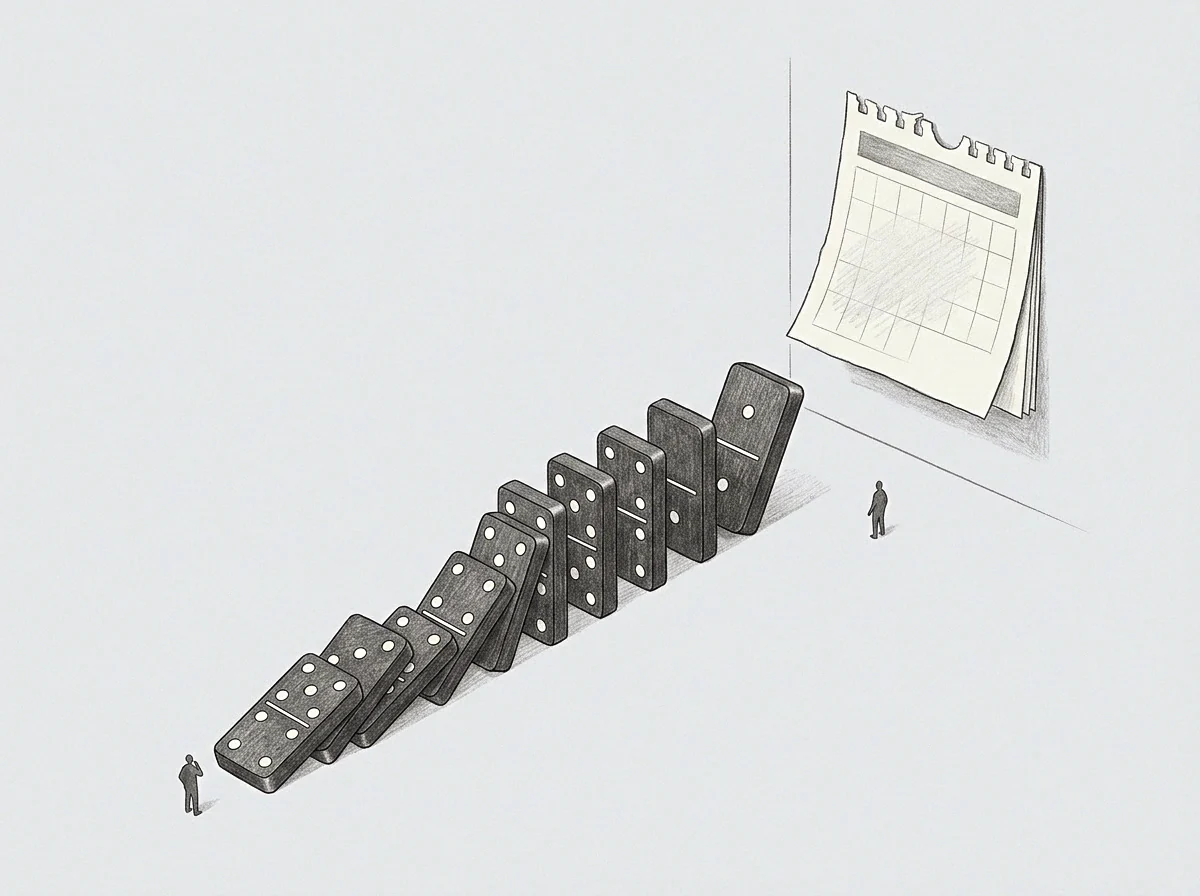
Planning for the vacancy ensures that the company does not lose momentum when a key figure leaves. An executive departure often involves a handover period where the outgoing founder shadows the new leader to ensure a smooth relay. This phase demands high capacity for communication and a willingness to let go of daily control.
Institutional Memory
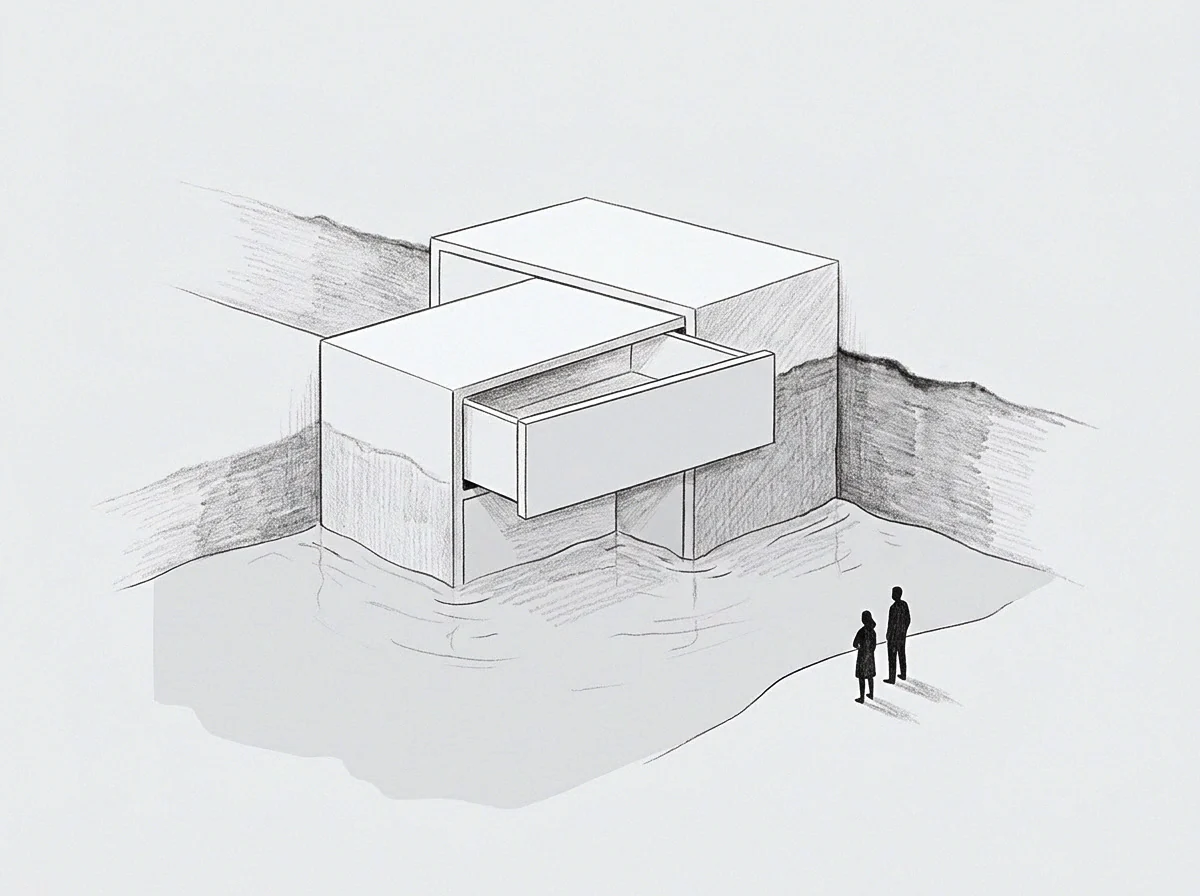
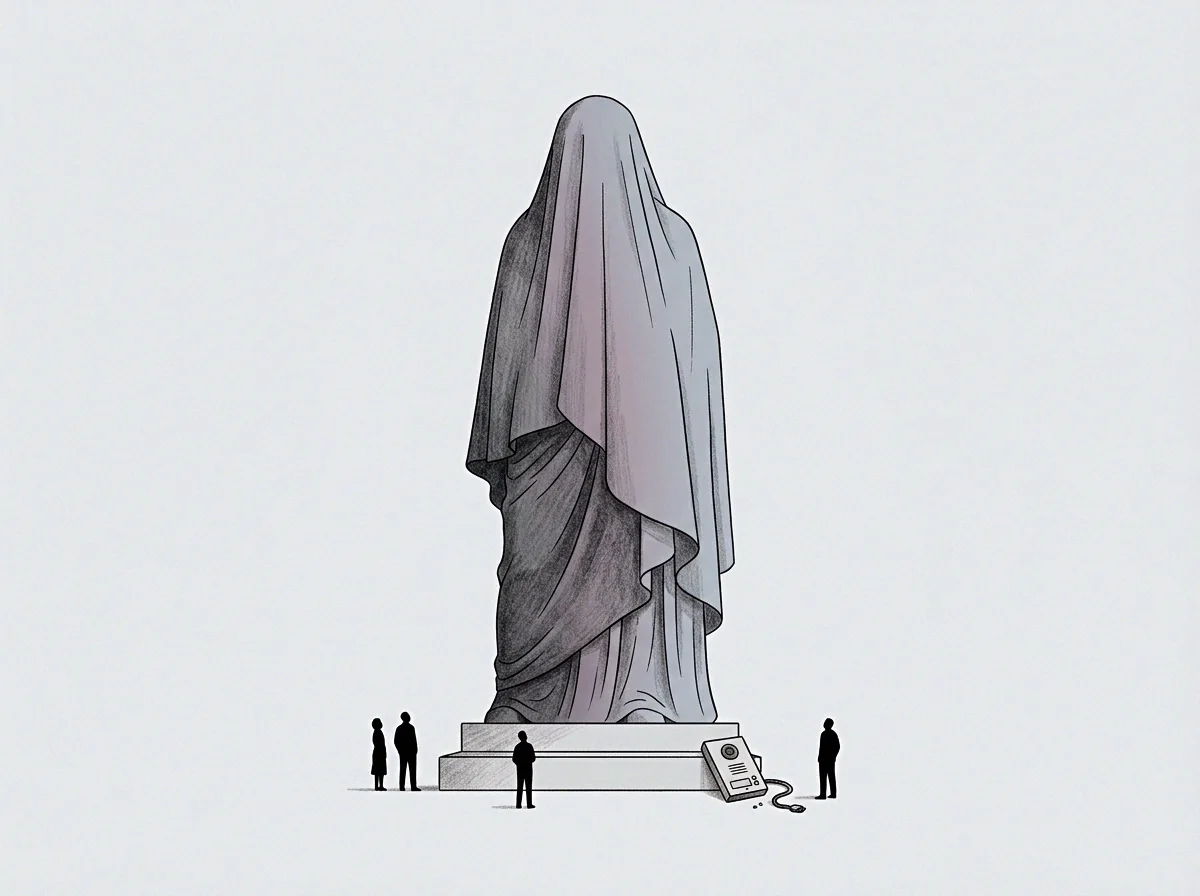
Capturing the unspoken rules and relationships of the office is the most difficult part of the exit. If an executive departure occurs too quickly, the organization loses the context behind years of strategic decisions. The departing leader must spend many hours documenting processes that were previously handled by instinct.
Successor Integration
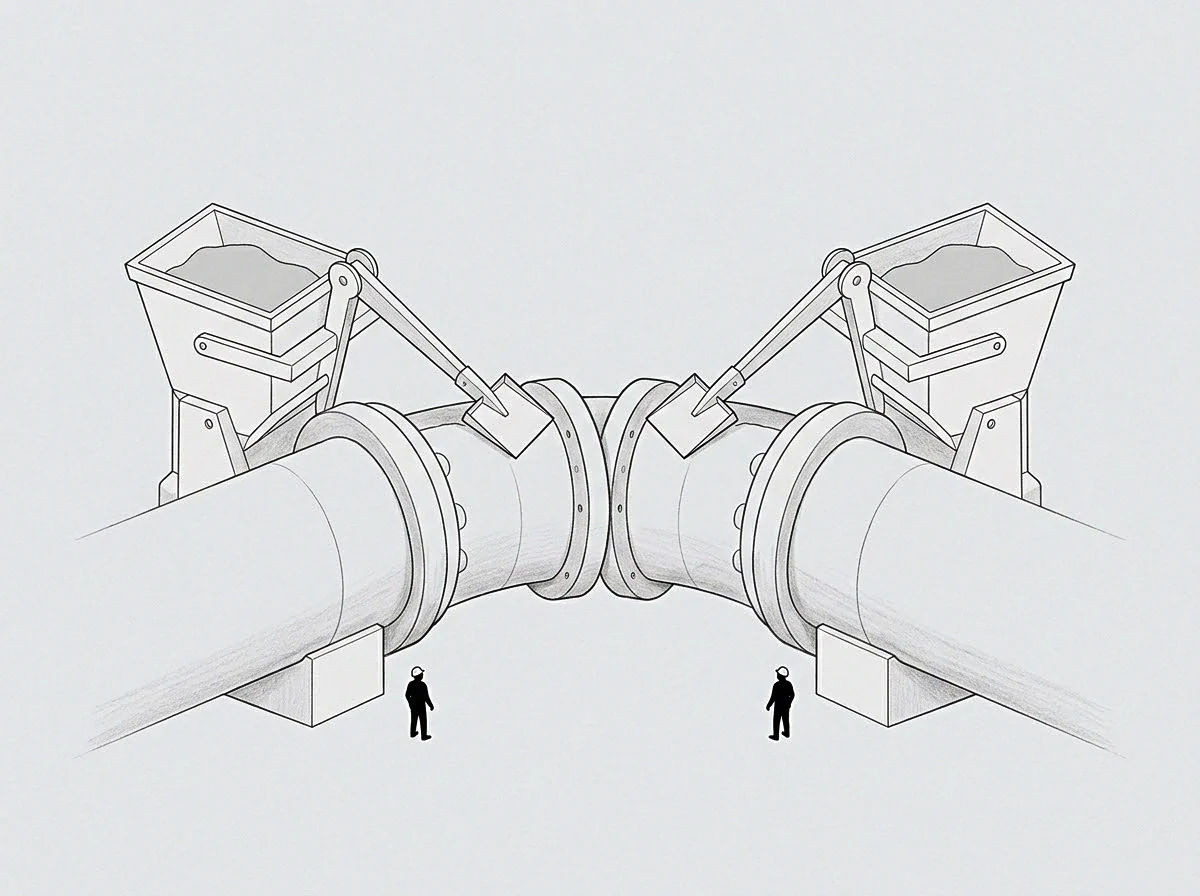
Success for the new leader depends on the outgoing founder creating space for new methods to take hold. A poorly managed executive departure results in a shadow hierarchy where staff continue to look to the founder for approval. Establishing clear boundaries during the first ninety days is the only way to prevent this overlap.
The formal end of the term is marked by the resignation from the corporate payroll.