

Legal Determinants Of Forced Buyouts In Closely Held Enterprise Capital Structuring
Forced buyouts in closely held firms depend on contractual repurchase triggers, statutory oppression remedies, share class rights, and valuation formulas.
Forced buyouts in closely held firms depend on contractual repurchase triggers, statutory oppression remedies, share class rights, and valuation formulas.

Minority equity redemption triggers in restructurings reallocate equity control by executing contractual put options or forced squeeze-outs under distress valuations.

Capital restructuring events shift Series A investor consent thresholds by replacing series-level vetoes with aggregate preferred class votes in restated charters.

Shareholder veto lists consolidate into board delegation matrices by trading individual investor consents for annual budget limits and committee authorization tiers.

Decoupling engineering delivery incentives from technical risk oversight through direct board audit reporting eliminates systemic corporate risk blindness.

Corporate distress invalidates unadjusted equity buyback multiples by imposing statutory solvency ceilings, forcing boards to adjust repurchase prices and defer settlements.

Constructive discharge occurs when venture boards breach executive employment terms by stripping authority, triggering contractual severance and accelerated vesting.

Emergency governance covenant enforcement requires clear contractual thresholds, automated infrastructure custody, and formal board action.

Codifying founder board parameters into explicit committee charters before liquidity drops preserves formal governance and prevents contentious fiduciary removals.

Independent board structures constrain shareholder interference by legally separating beneficial equity ownership from executive appointment and daily operational authority.

Uncodified founder heuristics collide with legal board veto rights during market shocks, creating operational paralysis as balance sheet runway contracts.

Quantifying operational switching costs reveals hidden capacity losses when one executive simultaneously juggles production, management, and governance duties.

Decoupling equity voting rights from executive jurisdiction isolates operational authority from capital ownership to preserve administrative execution speed.

Out-of-court preferred equity recaps resolve minority deadlocks through charter amendments, pay-to-play conversions, and secured debt foreclosures.
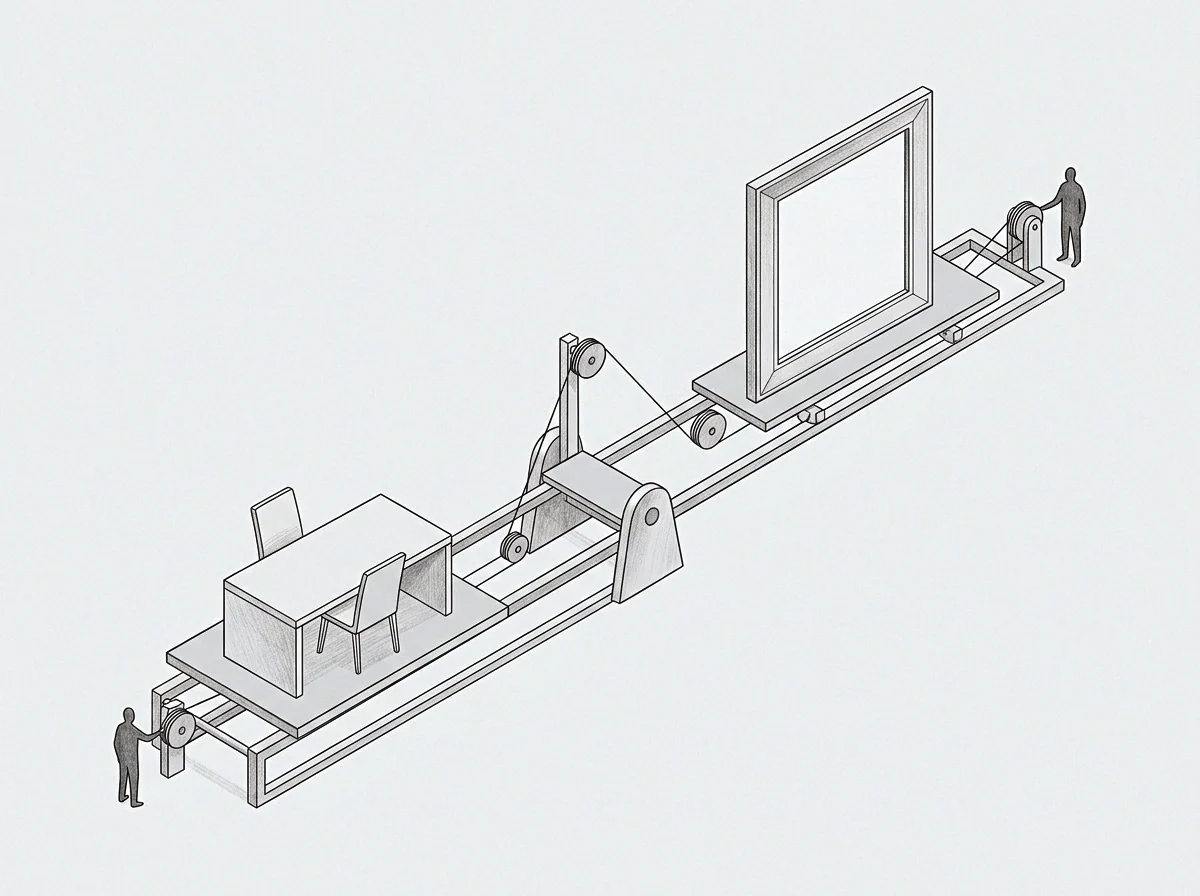
Decoupling governance seats from execution seats separates capital allocation authority from daily operational labor through formal delegated authority limits.
The terms are written where they belong. Each field holds three desks, and every entry a desk writes raises the terms it uses, each term given a meaning, a mechanism and the places it appears. The record on these pages stays first person and hand made; the fields grow the nomenclature.