

Legal Determinants Of Forced Buyouts In Closely Held Enterprise Capital Structuring
Forced buyouts in closely held firms depend on contractual repurchase triggers, statutory oppression remedies, share class rights, and valuation formulas.
Forced buyouts in closely held firms depend on contractual repurchase triggers, statutory oppression remedies, share class rights, and valuation formulas.

Minority equity redemption triggers in restructurings reallocate equity control by executing contractual put options or forced squeeze-outs under distress valuations.

Statutory charter amendments approved by legislative majorities eliminate inactive holder voting vetoes, shifting disputes from injunctions to monetary damages.

Capital restructuring events shift Series A investor consent thresholds by replacing series-level vetoes with aggregate preferred class votes in restated charters.

Multi-tier recapitalizations clear conflicted insider interests and fiduciary claims through special independent committees, market checks, and rights offerings.

Corporate stockholder agreements mitigate voting friction by decoupling economic equity from governance rights through contractual voting trusts and buyouts.

Early non-executive equity clashes resolve through structured tender offers, class reclassifications, and independent committee fairness procedures.

Senior preferred consent rights block illiquid mergers when unlisted buyer paper fails contractual appraisal tests under certificate protective provisions.

Merger consideration follows contractual liquidation seniority until conversion yields greater proceeds, subject to carveouts, drag-along terms, and fiduciary review.

Corporate sale transactions bind directors to entity loyalty, requiring fair allocation of merger proceeds across equity classes.

Boards reclassify common shares and expand authorized capital to dilute legacy minority blocking thresholds following an executive's operational resignation.
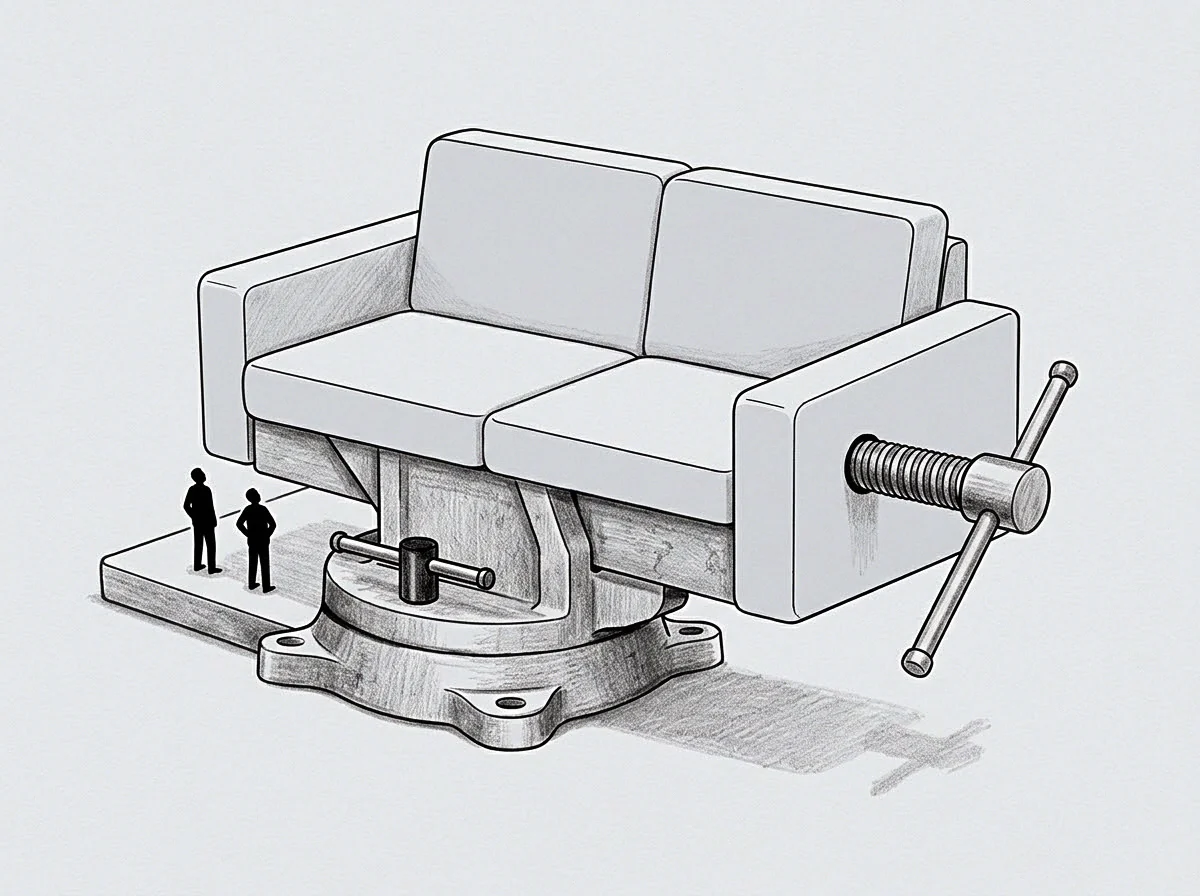
Contractual fair value buyout clauses resolve minority discount disputes by explicitly defining valuation as an undiscounted pro rata share of enterprise value.

Resolving minority oppression during operator transitions relies on separating operational seats from equity ownership through structured fair-value buyouts.

Statutory capital maintenance rules restrict dynamic liquidation multipliers, while board valuation discretion defines asset values during corporate splits.
The terms are written where they belong. Each field holds three desks, and every entry a desk writes raises the terms it uses, each term given a meaning, a mechanism and the places it appears. The record on these pages stays first person and hand made; the fields grow the nomenclature.