
Measuring Long Term Cognitive Residual Decay in Executive Succession Sequences Without Retained Advisory Scaffolds
Cognitive residual decay measures the attrition of unwritten operational heuristics when an incoming executive operates without predecessor advisory contact.
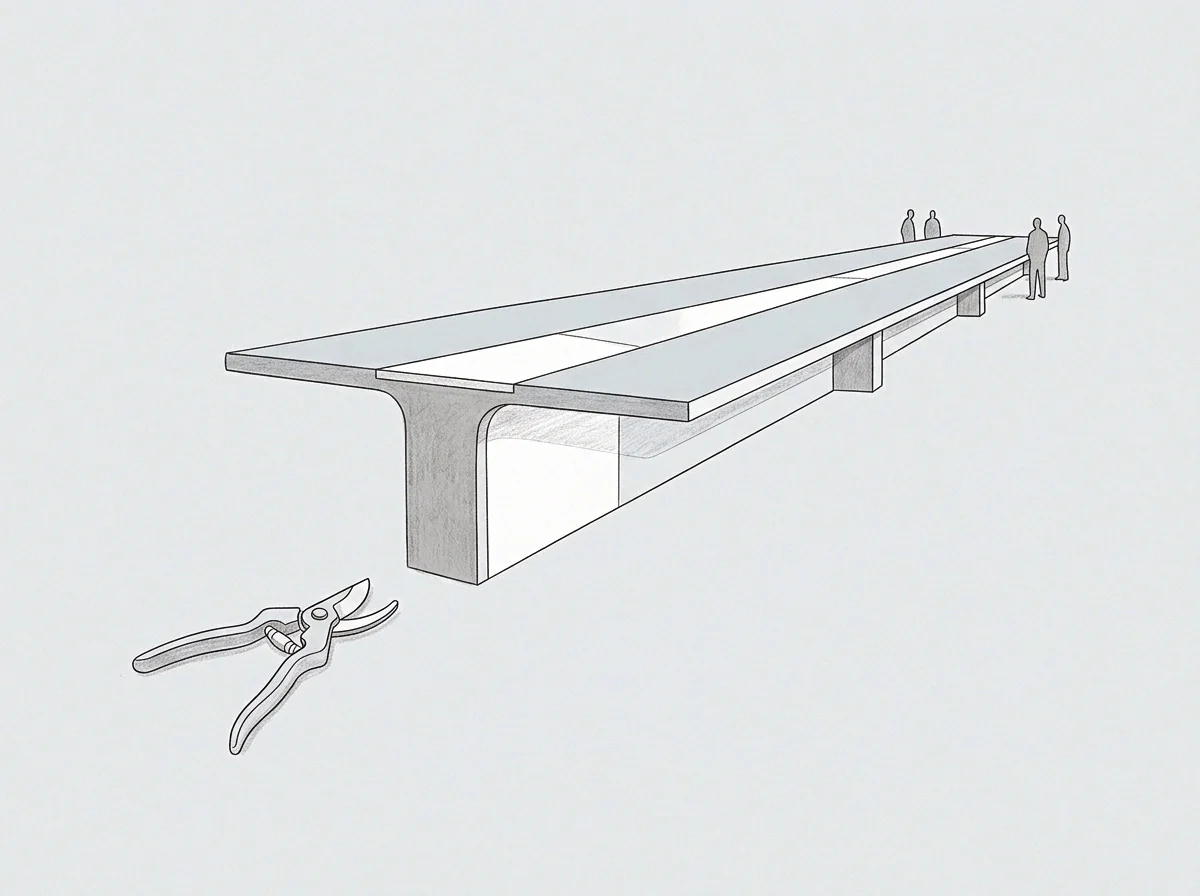
Deficit
An incoming chief executive reviewing quarterly variance reports seven months after an unassisted handover discovers three consecutive misallocations tied to undocumented vendor agreements. Server files show finalized contracts, payment schedules, and organizational charts, but omit the informal payment deferrals negotiated each winter to protect cash reserves during inventory cycles. Paperwork offers no context.
The newly appointed officer approves standard disbursements, depleting seasonal liquidity reserves within ninety days. This operational gap stems from an abrupt cutoff in supervisory transmission, where a successor receives terminal artifacts rather than active contextual reasoning.
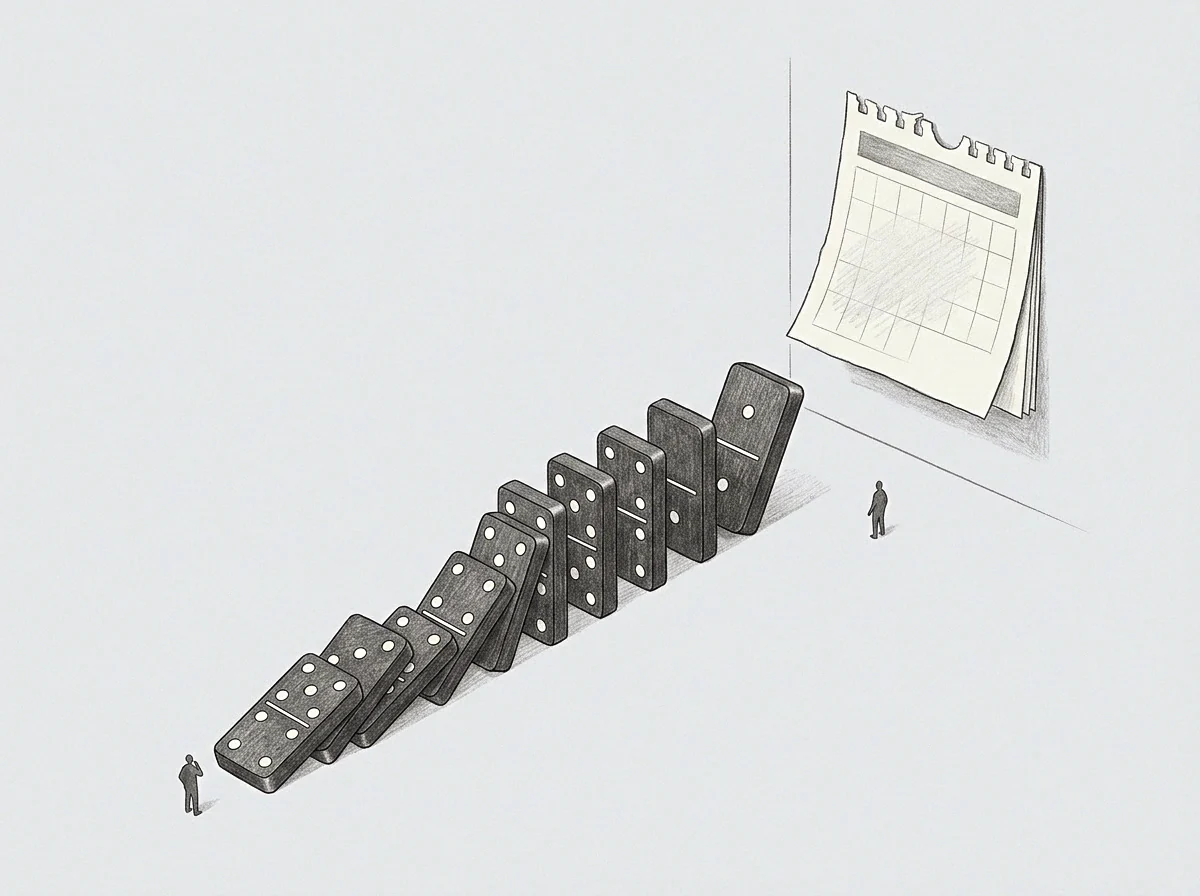
Silent Depletion Within Administrative Enclaves
Unassisted successions strip an organization of interpretive continuity. When an outgoing leader leaves without an advisory role or an explicit consultation window, incoming executives rely entirely on codified artifacts. The operational baseline drifts.
Manuals state formal rules, but omit the conditional triggers that dictate when those rules should yield to situational assessment. Tacit assumptions resist codification. Predecessors make decisions based on thousands of unrecorded interactions; once they depart completely, institutional memory begins an irreversible decay.
A handover protocol lacking interactive consultation converts latent operational knowledge into unrecoverable administrative residue.
Operational friction shows up first as unexplained delays. Decisions that once took hours turn into multi-week committee debates as the successor gathers documentation to replace missing context. Without a structured advisory tether, the executive either freezes capital allocations out of caution or accelerates spending along misjudged strategic lines.
Staff who worked under the previous leader notice the hesitation and begin withholding operational details. Information hoarding spreads across the senior team. What boards diagnose as cultural resistance usually stems from an information vacuum caused by removing the former leader’s strategic scaffolding.
All necessary operating directions sat in the transition binder on the oak table.
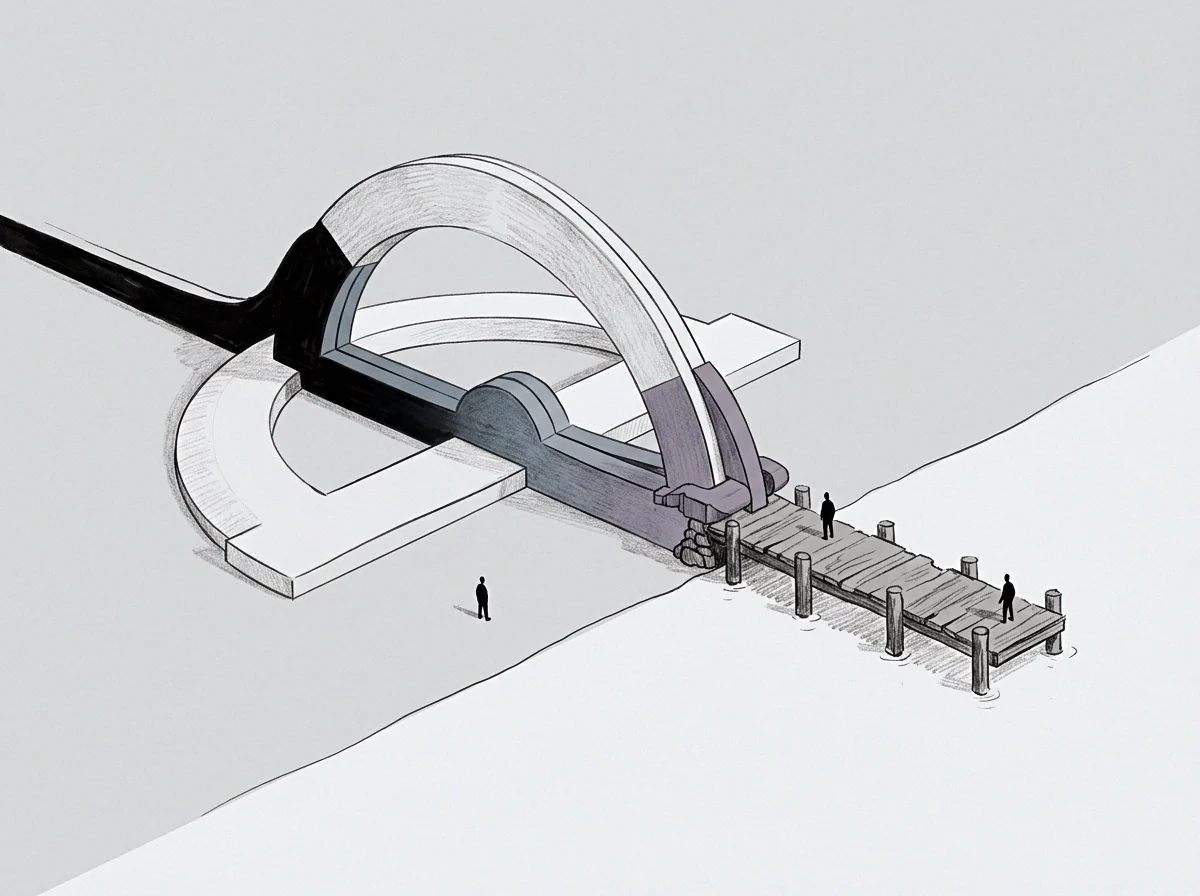
Decay
Cognitive erosion follows measurable intervals rather than an instantaneous drop. When an executive steps into an unassisted role, performance often holds steady for roughly one quarter while the incoming officer executes initiatives already locked into production calendars and budgets. Inherited momentum eventually runs out.
Once market shocks disrupt existing plans, the lack of an advisory sounding board forces the successor to improvise responses without historical precedent. Context evaporates without direct challenge, leading to progressive schema degradation across three distinct phases.

Does Unprompted Schema Retrieval Degrade Without Advisory Anchors?
Empirical analysis of unassisted transitions reveals that schema degradation accelerates once market shifts disrupt standard operating assumptions. This degradation involves the progressive erosion of cognitive templates used to diagnose ambiguous threats and allocate capital. Without an advisory partner to validate or challenge early pattern matches, the successor falls back on generic management rubrics from previous, unrelated roles.
Heuristic models lose calibration, causing the executive to misinterpret internal warnings and treat severe bottlenecks as routine noise. Errors compound undetected.
The trajectory of cognitive attrition across an unassisted executive sequence divides into predictable operational stages:
- Initial Latency Phase marks the first eighty days, during which inherited momentum masks the loss of executive intuition. Operating margins match historic baselines while pre-approved capital programs deploy without friction.
- Heuristic Divergence Phase begins near day ninety when supply chain interruptions or client renegotiations demand contextual trade-offs. The successor applies textbook structural responses that inadvertently sever informal supplier concessions built up over a decade.
- Terminal Misalignment Phase surfaces past month six as middle managers build parallel channels to bypass executive indecision. Strategic projects stall, departments insulate their budgets, and operational overhead climbs.

Temporal Bands In Pattern Maintenance
Cognitive reserves do not erode uniformly across all operational domains. Procedural knowledge governing daily compliance and regulatory reporting stays intact because it relies on standardized external filing requirements. In contrast, strategic intuition about informal alliances and counterparty tolerances degrades within weeks.
The successor misreads partner intent during joint venture disputes because the predecessor never passed along behavioral profiles of rival directors. When contractual disputes arise, the incoming officer treats legal threats as literal litigation risks rather than customary posturing, committing substantial corporate funds to settle conflicts that the predecessor resolved with brief phone calls.
Executive competence deteriorates rapidly when succession processes sever the informal conversational loops that validate ambiguous diagnostic signals.
The rate of erosion increases in organizations with high product customization and volatile input costs, where survival depends on rapid pattern matching. A predecessor holds a mental catalog of past downturns, failed vendor partnerships, and credit contractions. When an unassisted successor takes command, that catalog vanishes from leadership discussions.
The organization absorbs the absence of an advisory relationship through repeated strategic recalculations and missed market turns. How long can an organization sustain its position while its leadership schema resets through trial and error?

Floor
Organizational performance under unassisted transitions eventually hits a structural boundary below which execution degrades into chronic instability. This threshold represents the minimum volume of contextual knowledge required to maintain administrative order. Once an incoming leader exhausts the explicit directives left by a predecessor, enterprise execution drops toward this baseline.
If the successor fails to construct an operational schema before reaching this floor, the firm faces sustained margin compression and manager departures.
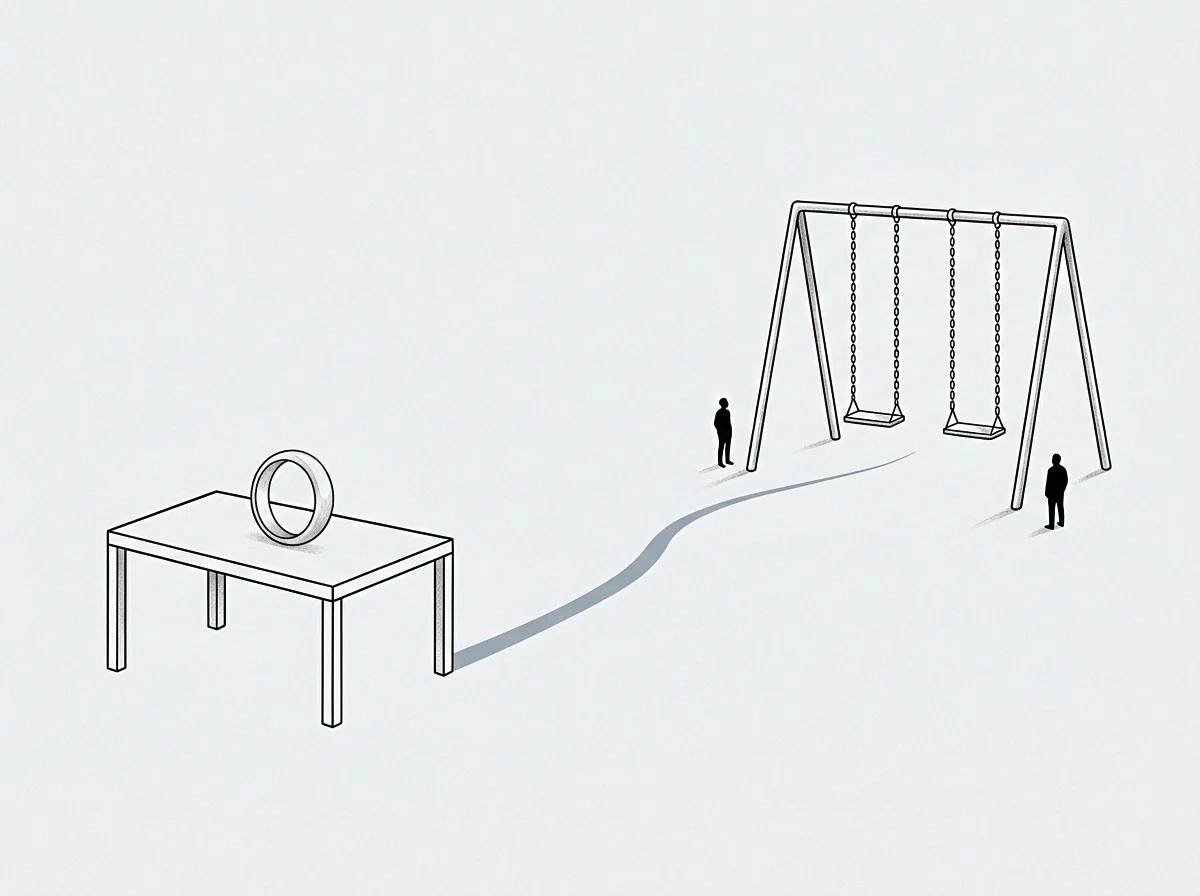
Structural Baselines For Retention Trajectories
Evaluating cognitive loss requires tracking operational capacity across functional vectors against elapsed time after a handover. Explicit documentation preserves regulatory protocols, but operational insight and counterparty nuances erode rapidly without ongoing consultation.
| Operational Dimension | Month Three Retention | Month Six Retention | Month Twelve Retention | Primary Failure Mode |
|---|---|---|---|---|
| Regulatory Compliance Execution | 96 Percent | 91 Percent | 88 Percent | Mechanical filing errors |
| Capital Allocation Nuance | 74 Percent | 48 Percent | 22 Percent | Overfunding stagnant units |
| Informal Counterparty Bargaining | 62 Percent | 31 Percent | 14 Percent | Unnecessary contractual litigation |
| Crisis Diagnostic Speed | 58 Percent | 34 Percent | 19 Percent | Extended administrative paralysis |
| Internal Political Arbitration | 69 Percent | 42 Percent | 26 Percent | Key personnel resignations |
The table shows that procedural compliance remains intact while relational and strategic vectors degrade steeply. Compliance remains relatively stable because it relies on external statutory mandates and audits. Capital allocation nuance collapses after month six.
Lacking context for historical hurdle rates, the incoming officer misallocates resources, starving profitable divisions while subsidizing underperforming legacy initiatives. The structural stability limit is breached when capital misallocations combine with senior staff resignations to impair operating liquidity.
Operating without an advisory bridge forces the successor to infer strategic rationale from historical spreadsheets. In marine shipping, an officer taking the helm of an unfamiliar vessel without an experienced pilot faces hidden shoals despite having charts. Underwater contours shift with seasonal currents, while charts merely record conditions from the previous spring.
The successor navigates obsolete operational terrain, and operational drift becomes institutionalized as subsequent decisions compound initial misinterpretations.
A succession plan terminating all predecessor advisory obligations upon contract execution guarantees systemic schema loss across core capital allocation functions.
Under contractual terms drafted without advisory provisions, departing executives bear no obligation to interpret historical anomalies, leaving subsequent leadership teams exposed to unmapped administrative liabilities.

Metric
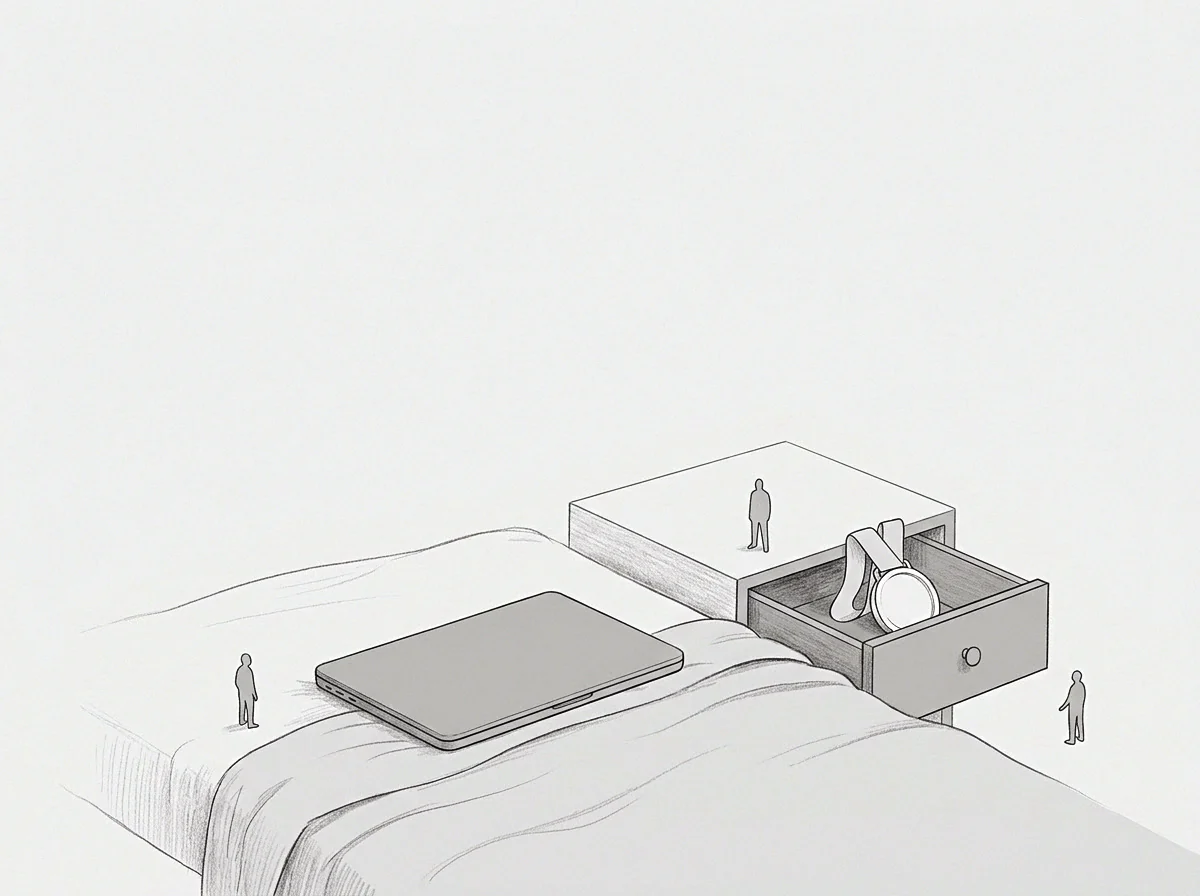
Quantifying cognitive erosion in executive ranks requires measuring diagnostic latency rather than trailing accounting profits. Financial statements mask performance drops because existing commercial contracts support revenue for several quarters after a leadership transition. Tracking the decay of cognitive reserves requires measuring how long an organization takes to resolve anomalous operating conditions.
Prolonged decision latency indicates that incoming leaders lack the heuristic shortcuts previously used to clear administrative deadlocks.
Diagnostic Probes For Operational Drift
Assessing decay relies on auditing organizational response times to unexpected disruptions. When an unassisted successor faces a commercial crisis, the absence of an advisory safety net lengthens consensus-building cycles. The organization substitutes bureaucratic reviews for missing institutional intuition.
Tracking these shifts requires monitoring three diagnostic indicators across the initial fiscal year:
- Policy Reversal Velocity measures how frequently an incoming executive repeals and re-establishes internal guidelines within consecutive financial quarters. High reversal velocity signals an unanchored mental model attempting to find equilibrium through trial cycles.
- Informal Exception Escalation Rate tracks how often division heads request executive intervention to bypass formal procedures for established clients. A sharp spike indicates the successor has not absorbed the informal tolerance thresholds historically maintained by the predecessor.
- Capital Deployment Latency tracks working days elapsed between identifying an unexpected capital surplus and its final allocation. Extended latency reflects insecurity regarding historical yield expectations across competing business units.

Latent Anomaly Frequency In Unsupervised Tenures
Applying diagnostic probes across diverse environments requires accounting for institutional complexity. Where founding leadership established distinct cultural norms, losing unwritten heuristics produces immediate friction. An incoming executive can easily misread routine cultural expressions as organizational resistance.
Standard manuals miss these nuances. An advisory scaffold provides the context needed to decipher enterprise customs; without it, a successor risks fracturing internal cohesion by enforcing rigid protocols where flexible understandings once governed workflow.
A successor attempting to manage without an advisory bridge resembles an engineer operating machinery in thick gloves; dials turn, but tactile feedback is missing. The executive pulls corporate levers while remaining blind to the finer operational adjustments that maintain balance. Boards frequently misinterpret the resulting turbulence as personal executive failure, when the underlying cause is a succession design that severed the transmission of institutional knowledge.
Diagnostic indicators clarify operational trends only when observed over continuous six-month intervals uninterrupted by organizational restructuring.
Cohort
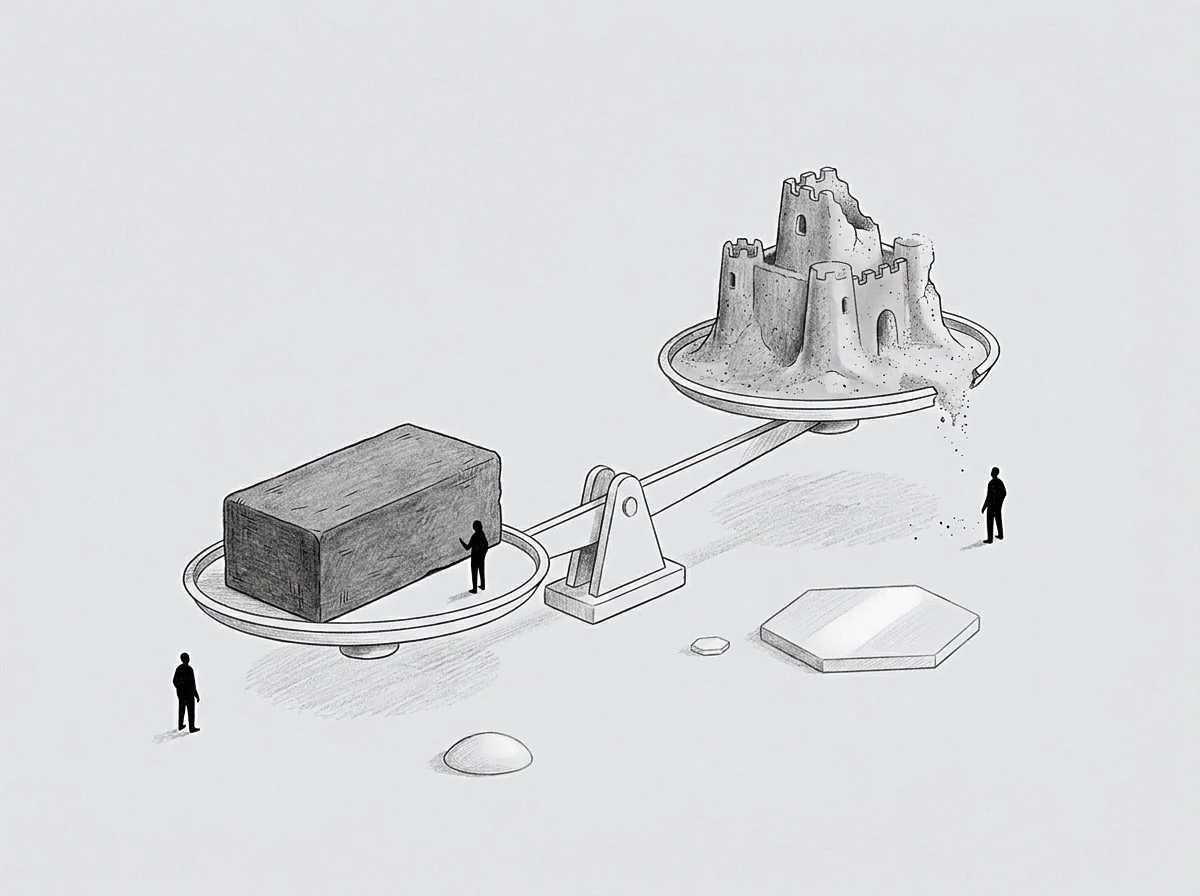
Succession models that end executive transition on the final day of tenure produce compounding degradation across leadership generations. When the first successor operates without retained advisory support, that individual never acquires the foundational knowledge developed by the initial leadership tier. Consequently, when that successor prepares to step down, the knowledge repository available to the next generation is already depleted.
Each successive transition dilutes institutional memory further, until the organization functions as a rigid bureaucracy lacking strategic intuition.

Transmission Pathways Across Executive Generations
Preserving organizational capacity requires deliberate structure in succession planning. Retaining a departing executive in a time-bounded advisory role protects institutional memory while leaving primary executive authority with the successor. The advisory scaffold must focus on consultation rather than veto power.
When properly calibrated, this mechanism provides a channel for testing hypotheses against past precedent. The incoming officer gains access to unwritten operational nuances without compromising autonomy, sparing the organization costly trial cycles.
Neglecting this advisory structure leaves the incoming executive isolated during operational crises, leading to misallocated reserves, destabilized teams, and the permanent loss of operating instincts.