

Quantifying Structural Equity Value Atrophy From Unbounded Founder Execution Hours
Unbounded execution hours subsidize corporate margins artificially, inflating short-term cash flow while degrading long-term equity value through transfer haircuts.
Unbounded execution hours subsidize corporate margins artificially, inflating short-term cash flow while degrading long-term equity value through transfer haircuts.
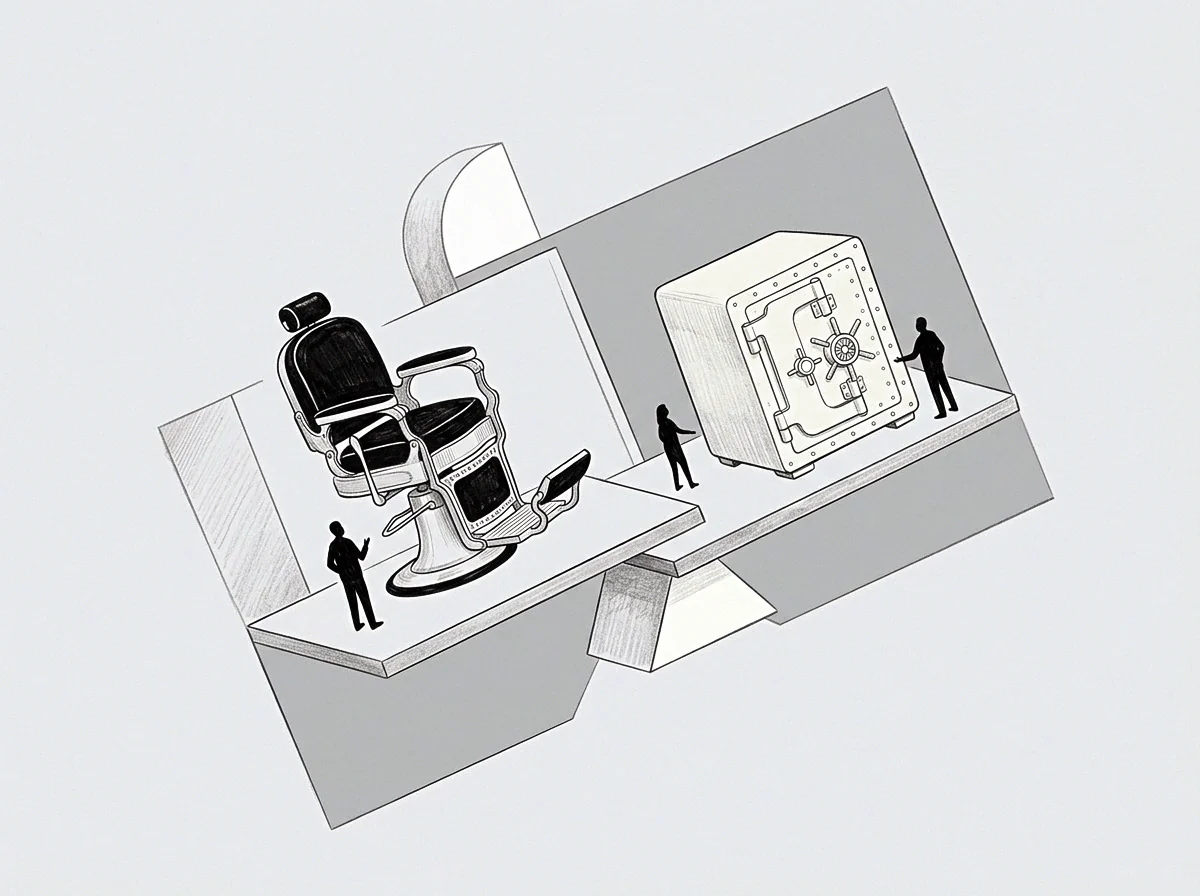
Shared operational governance depresses equity valuation through decision friction while accelerating executive attrition when dual authority boundaries remain unstated.
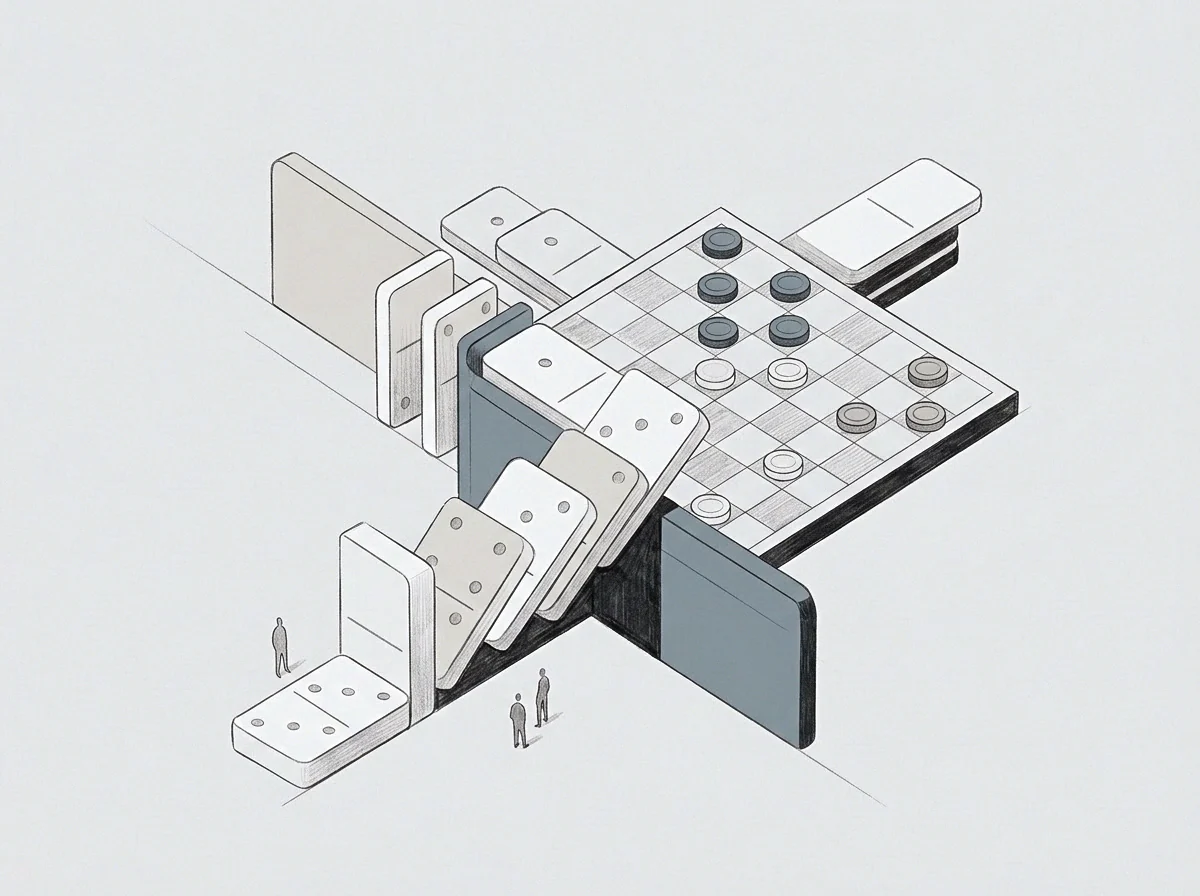
Executive role drift depresses long-term equity value by masking unrecorded operational costs and triggering severe acquirer transferability discounts.

Uncodified process atrophy reduces transaction value by converting departed operator routines into replacement overhead against earn-out targets.

Codifying tacit founder decision rules translates implicit operational intuition into explicit governance, securing maximum upfront acquisition capital by reducing key-person risk.

Uncodified operational risk barriers emerge when implicit authority systems and tacit procedures fail to transfer during executive transition sequences.

Middle market capital governance separates operational management wages from equity dividends through formal operating contracts and structured voting classes.

Codifying tacit operational workflows into explicit seat definitions eliminates key person dependency discounts during small business equity transactions.

Contractual delegation extracts tacit operational routines into enforceable service terms, securing enterprise continuity before complete founder equity separation occurs.
The terms are written where they belong. Each field holds three desks, and every entry a desk writes raises the terms it uses, each term given a meaning, a mechanism and the places it appears. The record on these pages stays first person and hand made; the fields grow the nomenclature.