
Managing Client Authority Perception During Key Account Executive Transitions
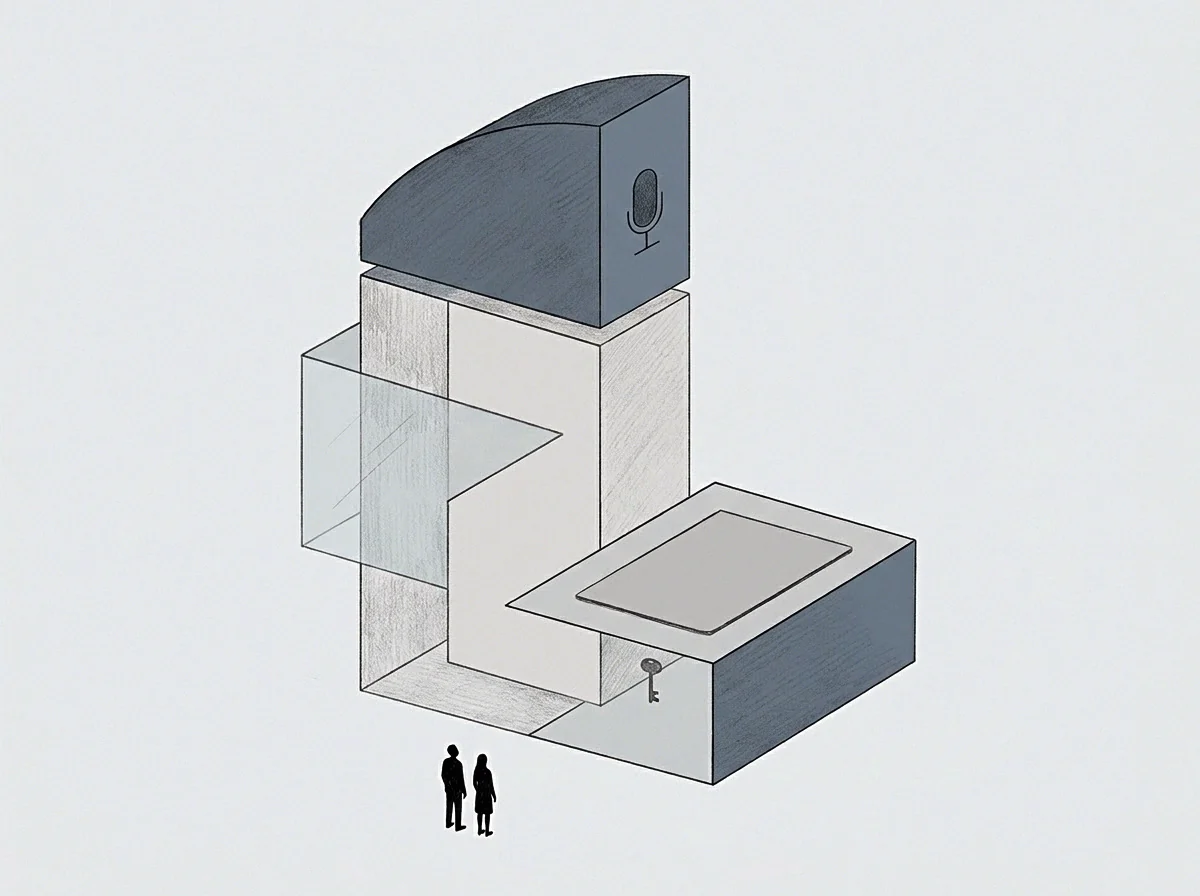
Client authority perception settles on whoever controls commercial concession speed rather than title during account executive succession.
Source
Enterprise buyers grant standing to individuals, not vendor corporations. When a key account executive runs an enterprise contract for thirty-six months, that person earns institutional credibility through direct intervention: handling midnight outages, absorbing delivery penalties, and reworking pricing schedules without corporate sign-off. To the client’s executive sponsor, the account executive is the vendor firm.
When vendor leadership announces a staff change, the client treats it as a unilateral break in trust. Friction starts immediately because the client regards any replacement as an administrative downgrade.
Authority comes down to absorbing operational friction and making commercial concessions on the spot. Clients read this through the tempo of ordinary interactions. If an executive sponsor asks for scope expansion during a renewal talk, an incumbent account executive agrees then and there or defines a workable trade within the hour.
That turnaround signals real decision rights. When a replacement defers to an internal review committee, the client notices the loss of agency and assumes the vendor replaced an empowered principal with a messenger.
Clients measure capacity by resolution latency.
The unwritten arrangement between buyer and account executive runs parallel to the master services agreement. It develops through small negotiations where the vendor representative protects the client sponsor from internal vendor machinery: buffering delivery delays, fending off aggressive finance teams, and securing unbilled engineering days during major milestones. When that representative leaves, the protection ends.
The client is left with an unfamiliar contact whose incentives center on company margin rather than account coverage.
Informal Mandates and Latent Discretion
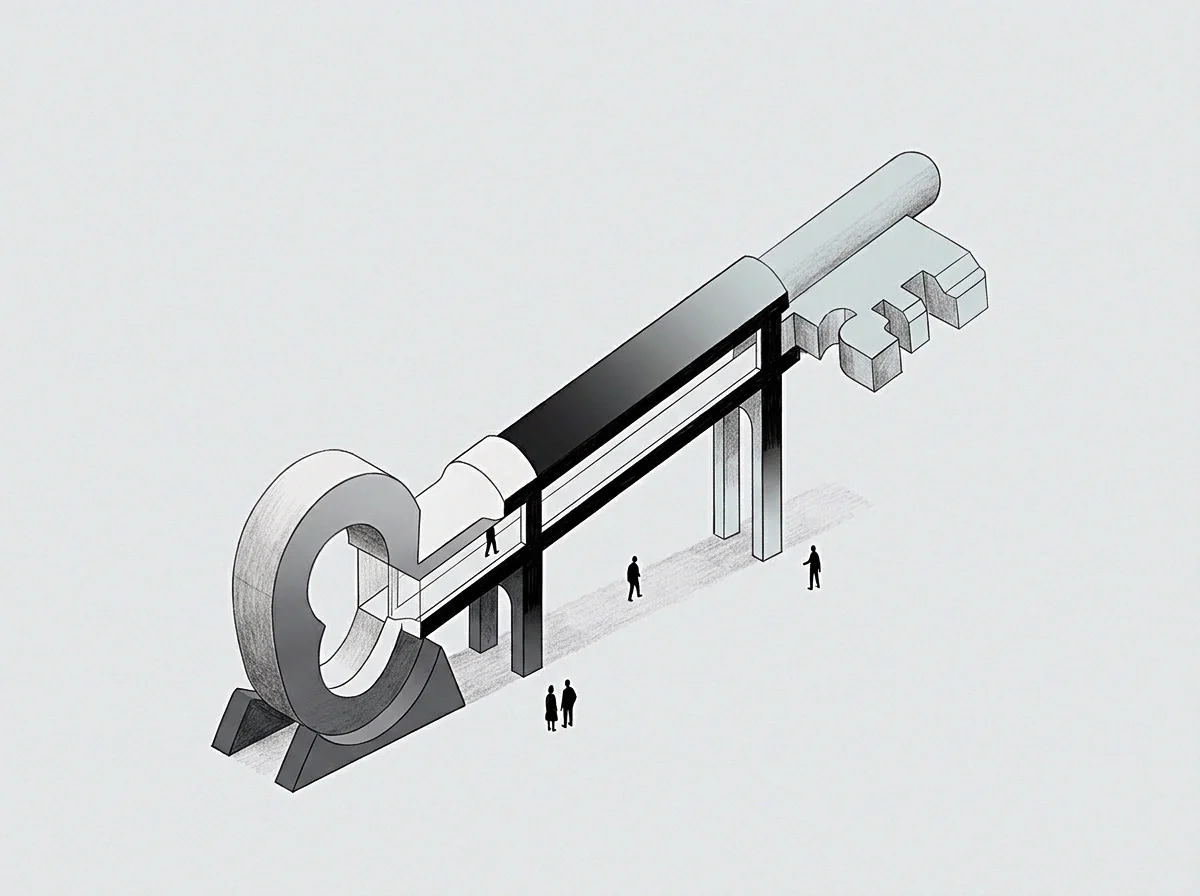
Discretionary latitude sets the perimeter of client confidence. Account executives managing high-yield enterprise relationships rarely stick to standard sales playbooks; they operate within wide bands of informal dispensation granted by founders or chief revenue officers. These dispensations are never written down, existing entirely inside personal ties between sales leadership and the representative in the seat.
The successor arrives with governance decks, standardized price books, and rigid escalation tiers, but lacks the informal leeway that actually resolved problems.
Clients test the newcomer within the first ten days. The probe usually arrives as an unusual request: an expedited custom release, extended credit terms, or an immediate change to standard indemnity clauses. If the successor pauses to check with legal or product leadership, the client has confirmation that the replacement lacks executive autonomy.
Requests get routed around them, aimed instead at the departed executive’s former managers or remaining senior peers. The vendor organization often misreads this circumvention as client obstinacy, overlooking the absence of transferred decision rights.
Prolonged authority vacuums destabilize delivery programs, as client sponsors hold back governance sign-offs until familiar senior figures re-enter the communication loop.
Table
Physical positioning in early transition meetings reveals how power actually sits between vendor representatives. In video conferences or boardroom meetings, client stakeholders notice the deference between incumbent and successor right away. If the departing account executive opens, lays out the strategic roadmap, and fields commercial questions while the incoming representative takes notes, the client writes the newcomer off as an assistant.
Presence demonstrates hierarchy long before anyone reads an announcement or a title description.
Seating and speaking sequences establish command. In enterprise settings, whoever delivers the opening commercial framing and holds eye contact with the client chief technology officer controls the room. Departing executives often dominate out of habit, wanting to prove client intimacy to internal leadership or simply falling back on rapport with old counterparts.
It hurts the successor. Every technical question answered by the incumbent strips standing from the incoming professional, reinforcing the buyer’s belief that competence leaves with the person walking out the door.
The individual who absorbs commercial pressure without deflection holds the client room.
Successful handovers reverse this through deliberate conversational choreography. The departing representative introduces the shift in a sentence or two and stops talking, forcing the successor to handle client demands directly. If the client tries to pull the incumbent back into substantive deal points, the incumbent redirects the dialogue to the successor without addressing the question.
Setting that boundary establishes the successor as the sole commercial decision-maker in the room.

Transfer Friction Points
Mismanaged account handovers produce clear failure patterns across touchpoints:
- Shadow Escalation develops when client procurement officers keep private messaging or phone channels open with the departed representative, cutting out the replacement during contract disputes.
- Administrative Relegation occurs when the client reassigns the incoming executive to coordination tasks, demanding that a vice president attend routine status reviews to confirm commercial agreements.
- Commercial Paralysis arises as procurement departments freeze ongoing multiyear expansion talks, citing procedural uncertainty regarding the new representative’s capacity to guarantee engineering allocations.
- Scope Arbitrage manifests when client technical leads exploit the successor’s lack of historical account context to demand previously rejected custom deliverables without paying contract premiums.
Clients exploit these gaps to extract concessions, testing whether the new representative has enough internal backing to enforce contract limits. The incoming executive faces an uneven task: holding commercial lines without the personal capital needed to prevent account defection. When vendor management overlooks that exposure, the relationship enters a retention risk cycle that surfaces during quarterly reviews.
The client procurement office holds the scheduled expansion agreement until an authorized representative confirms the service levels in writing.

Discretion
Formal authority comes from delegation; perceived authority comes from demonstrated resolution speed. In enterprise contracts, clients pay little attention to corporate org charts. They watch who can waive a milestone penalty, approve an architectural exception, or discount an implementation invoice without internal delay.
If routine variances require three layers of approval over four working days, the account executive is an errand runner. Client executives do not negotiate roadmaps with errand runners.
Take an enterprise software vendor managing an eight-million-dollar annual recurring contract with a national telecommunications provider. The incumbent account executive ran the account for four years, holding personal approval limits for up to fifty thousand dollars in monthly professional services credits before leaving for a competitor. The vendor names a replacement with the title of Strategic Account Director, but caps their discretionary discounting authority at ten thousand dollars, routing larger exceptions through a deal desk.
Within two weeks, a minor data pipeline outage hits the client, who asks for an immediate twenty-five-thousand-dollar engineering credit. The successor pauses for deal desk validation. The telecommunications director bypasses the successor and calls the vendor chief executive officer directly.
Vendor executives often misdiagnose this as a personal relationship problem. They assume the client misses the previous executive’s style, so they set up social dinners or sponsor lunches to smooth things over. It misses the point.
The client’s behavior is straightforward risk management: they bypass the successor because the successor lacks commercial velocity. By stripping discretionary credits and operational speed from the seat, the vendor forced the client to elevate issues to executives who can actually make decisions.
| Operating Dimension | Unilateral Founder Model | Bound Delegate Model |
|---|---|---|
| Pricing Discretion Limit | Direct authorization up to twenty percent margin discount | Strict adherence to standard discount matrices; approvals above five percent take four days |
| Technical Scope Flexibility | Immediate verbal commitment of unbilled development hours | Mandatory engineering committee review; minimum seven-day resolution latency |
| Dispute Escalation Channel | Account executive acts as single authority with executive veto | Account executive routes claims to legal and finance departments simultaneously |
| Contract Amendment Velocity | Informal memo accepted followed by retroactive paperwork | Formal contract modification execution prerequisite to operational changes |
These mechanics show why clients push back against transitions. Under the bound delegate model, working with the vendor becomes far more expensive in time and administrative overhead. To protect the successor’s standing, vendor leadership can grant temporary, expanded discretionary thresholds designed specifically for the handover window.
The incoming executive needs the formal backing to approve mid-tier client demands in real time, matching the operational tempo of the departed incumbent.
Discretion defines commercial standing in enterprise interactions.
Consider an alternative where the vendor sets up a formal shadow delegation protocol. For the first ninety days, the incoming account executive receives explicit, documented authority to grant up to seventy-five thousand dollars in service credits without checking with a deal desk. When the telecommunications client tests the relationship with a twenty-five-thousand-dollar credit request, the successor reviews the logs, signs off within twenty minutes, and delivers the credit memorandum before the end of the day.
The client’s executive sponsor drops any plan to call the chief executive officer. The test passes because the successor operated with genuine decision speed.
A written addendum granting temporary financial authorization thresholds up to seventy-five thousand dollars shifts the client escalation threshold from the executive suite directly to the assigned account seat.
Pacing
Transitions break down when forced into calendar blocks instead of moving with transaction volume. Standard practice sets thirty-day or sixty-day transition windows, picking dates that have nothing to do with how the account runs. A sixty-day timeline with zero negotiations leaves the successor exposed; a fourteen-day timeline with an intense contract renewal provides enough stress testing to establish authority.
Transition milestones belong on commercial events, not calendar cycles.
- The introductory period establishes formal presence through administrative alignment, account audit verification, and structured internal knowledge extraction without client-facing commercial commitments.
- The paired engagement phase forces the successor into the lead commercial speaking role while the incumbent attends silently to confirm facts and document commitments.
- The live test phase isolates the successor with the client during a high-stakes operational negotiation, requiring the incoming executive to establish contract boundaries without senior intervention.
- The absolute recusal phase severs operational contact between the incumbent and the client, redirecting incoming client communications through automated institutional protocols.
The main structural vulnerability falls between the paired engagement phase and the live test. Vendor leaders frequently keep joint executive coverage going too long to project stability, but prolonged dual presence undercuts the successor. When an account executive attends five straight client meetings alongside a vice president, the client naturally addresses strategic points to the senior officer.
The vice president takes up the space. The successor stays an observer, locked in visible apprenticeship.
A transition planned without an explicit operational cutoff date generates permanent executive drag.
Removing the scaffolding requires a deliberate, sudden exit. After early paired sessions, the senior officer or departing incumbent withdraws from regular governance meetings, well before the client feels entirely comfortable with the successor. The friction forces the client to deal directly with the new representative.
If an issue escalates, the senior executive stays out of independent sessions, insisting the successor run the discussion while the senior leader observes off-camera or outside direct line of sight.
Does the incoming account executive possess sufficient internal capital to absorb a client confrontation during the solo trial phase without vendor leadership intervening to preserve account harmony?

Severance
Succession management concludes with complete disengagement. When an account executive moves into management or leaves the firm, old client ties tend to linger through informal channels. Enterprise clients stick to familiar paths.
If the departed representative still answers a mobile phone or personal email, the client uses those channels to double-check commitments made by the successor. That backchannel destroys the successor’s authority and prevents the client from relying on the new team.
Vendor organizations rarely shut this down because leaders view backchannel ties as insurance against churn. A former account executive who is now a vice president keeps answering late-night messages from an enterprise sponsor, assuming the responsiveness protects revenue. In practice, it breaks operational scalability.
The senior executive stays stuck in account-level firefighting, while the assigned account director loses the incentive and standing to master the account. The relationship remains anchored to someone who no longer holds the role.
Severance takes strict discipline across electronic and interpersonal channels. The departed executive’s vendor email auto-forwards to the successor, paired with a clear notice that account management has transferred. If the former executive gets a personal message from the client, standard protocol rules out direct assistance.
The executive forwards the message to the successor and tells the client to route upcoming matters there. No exceptions are made for personal friendships or high-value contract disputes.
Speed replaces formal hierarchy when establishing account leadership.