

Managing Client Authority Perception During Key Account Executive Transitions
Client authority perception settles on whoever controls commercial concession speed rather than title during account executive succession.
Client authority perception settles on whoever controls commercial concession speed rather than title during account executive succession.

Grounding tacit operating rules requires extracting implicit executive heuristics into explicit decision guardrails before final owner exit.

Tacit operational heuristics resist text documentation, requiring paired live apprenticeship and phased scaffold removal to transfer diagnostic capability.
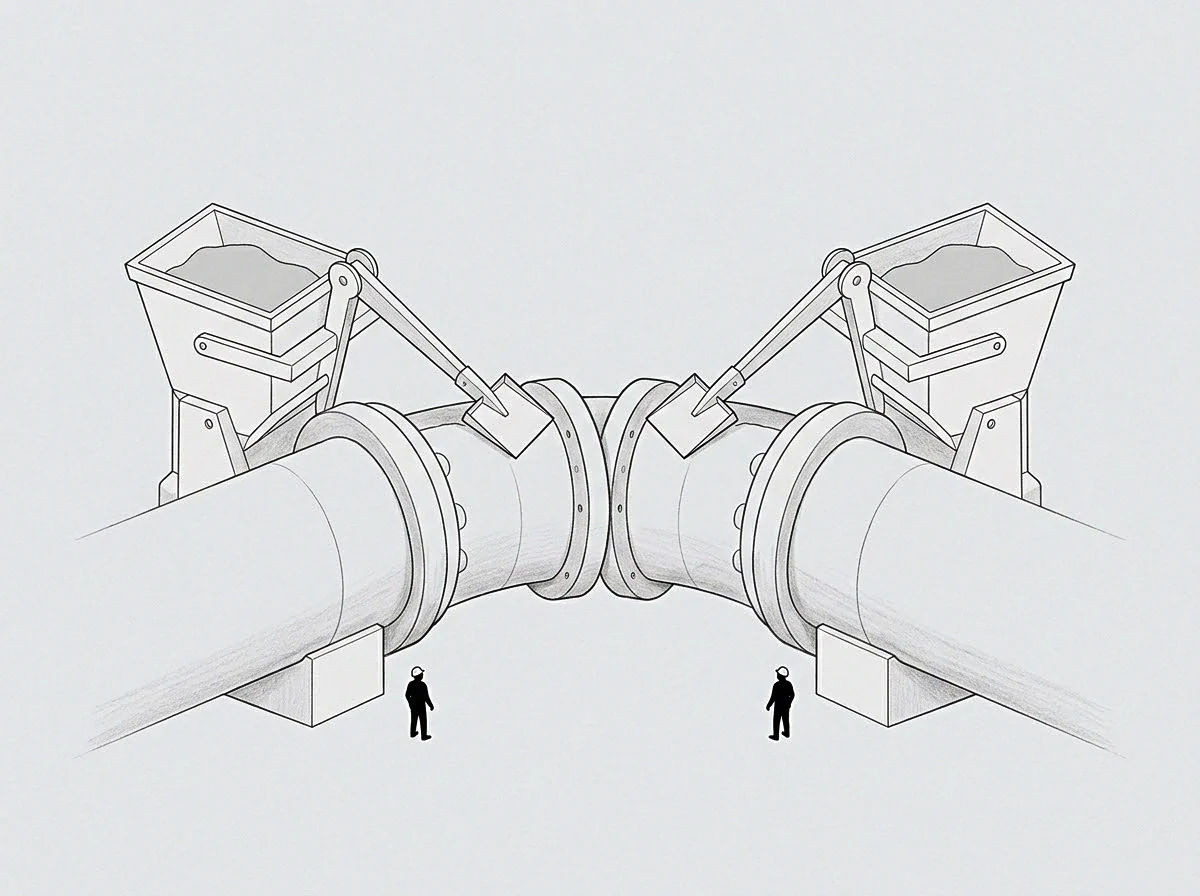
Conducting functional operational transfer before exit announcements protects organizational authority and ensures continuity before institutional friction emerges.
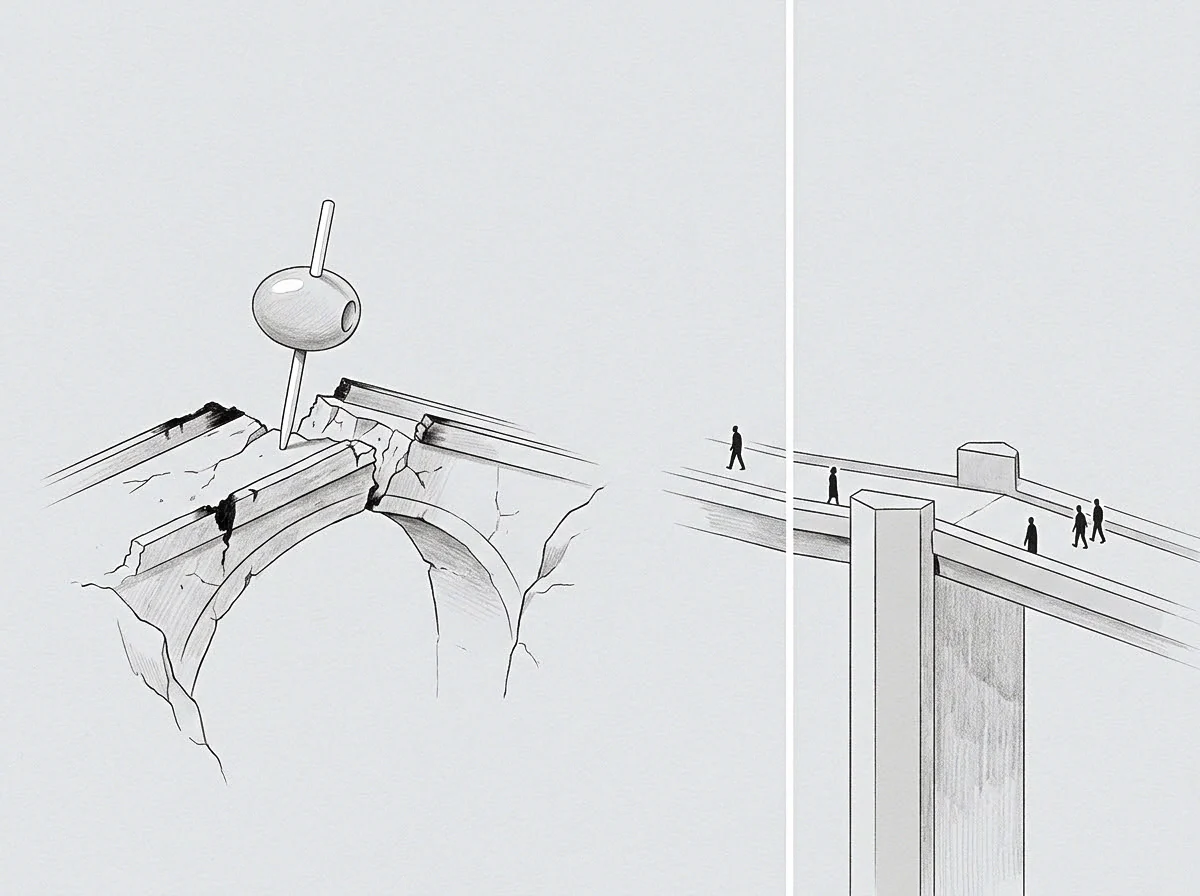
Codifying tacit knowledge before executive transition requires structured shadowing and incident debriefs to extract unwritten decision heuristics.
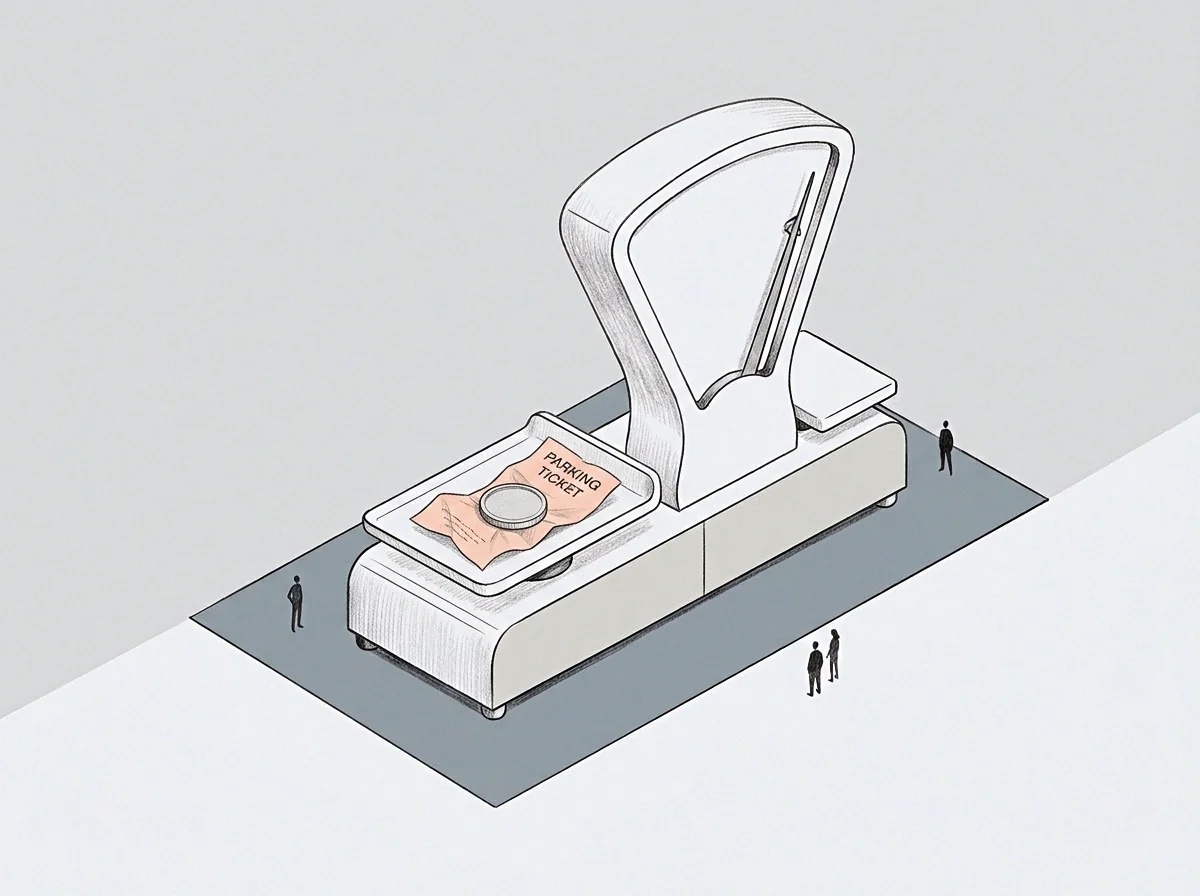
Executive decision handover latency measures operational delay between formal leadership succession and unratified decision execution by incoming executives.

Decoupling operational knowledge transfer from public executive transition calendars prevents compressed handovers and validates successor performance before exit dates are set.

Decoupling founder ownership veto rights from routine management requires amending shareholder agreements to restrict consent powers to structural equity events.

Succession succeeds when multi-role executive functions are unbundled into discrete positions before transferring authority to replacement leaders.
The terms are written where they belong. Each field holds three desks, and every entry a desk writes raises the terms it uses, each term given a meaning, a mechanism and the places it appears. The record on these pages stays first person and hand made; the fields grow the nomenclature.