

Structuring Transferable Operating Seats to Eliminate Key Person Valuation Discounts
Decoupling operational execution from individual identity through formal seat architecture eliminates key person valuation discounts prior to equity transfer.
Decoupling operational execution from individual identity through formal seat architecture eliminates key person valuation discounts prior to equity transfer.

Engineering leader exits expose tacit system architecture decay through elevated pull request cycle times, unmapped service dependencies, and refactoring regressions.
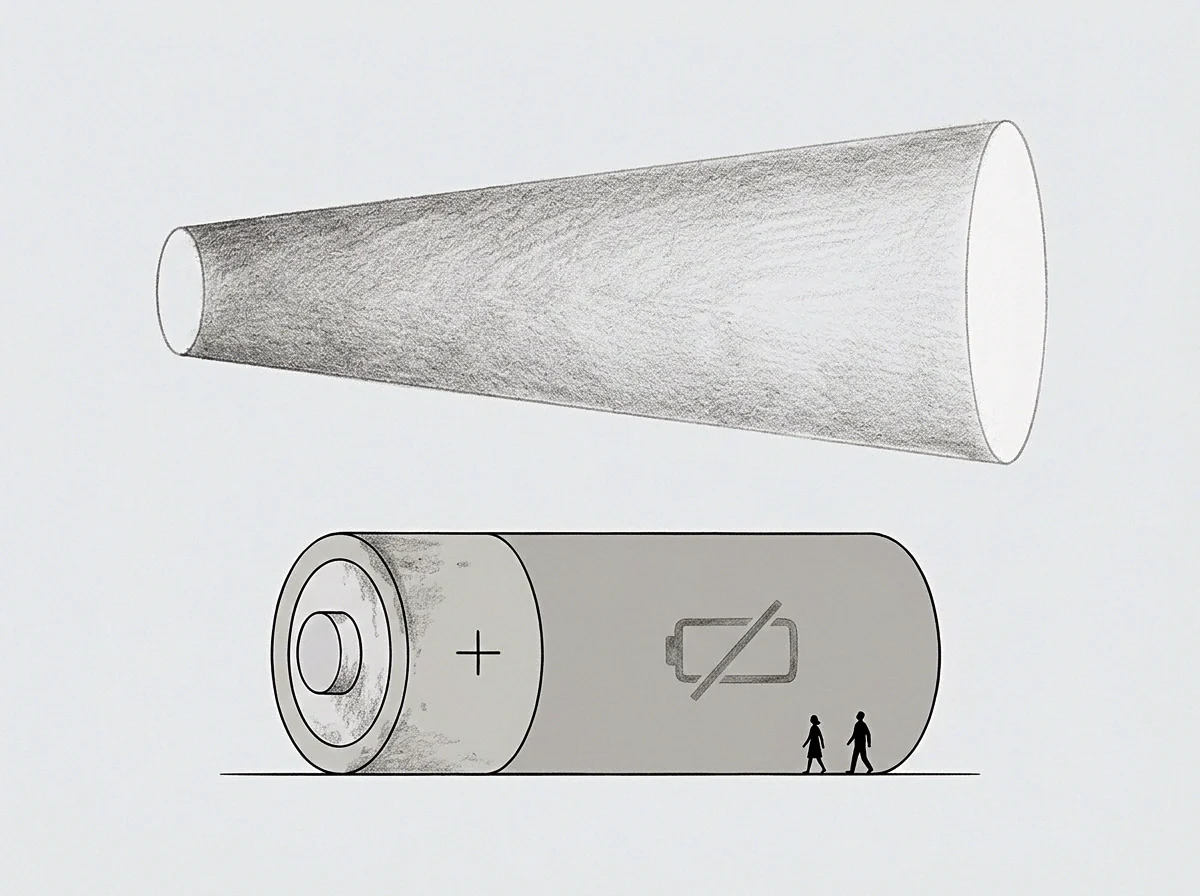
Partitioning technical governance, people management, and code architecture into distinct seats stops task switching from consuming executive cognitive capacity.

Calendar block allocation partitions executive working time into discrete, defended durations that isolate technical execution from strategic governance.

Codifying operational workflows before equity transfers converts individual tacit labor into transferable institutional assets and prevents valuation drag.

Resolving direct shareholder interference requires formal governance boundaries, independent board oversight, and binding legal redemption mechanisms.
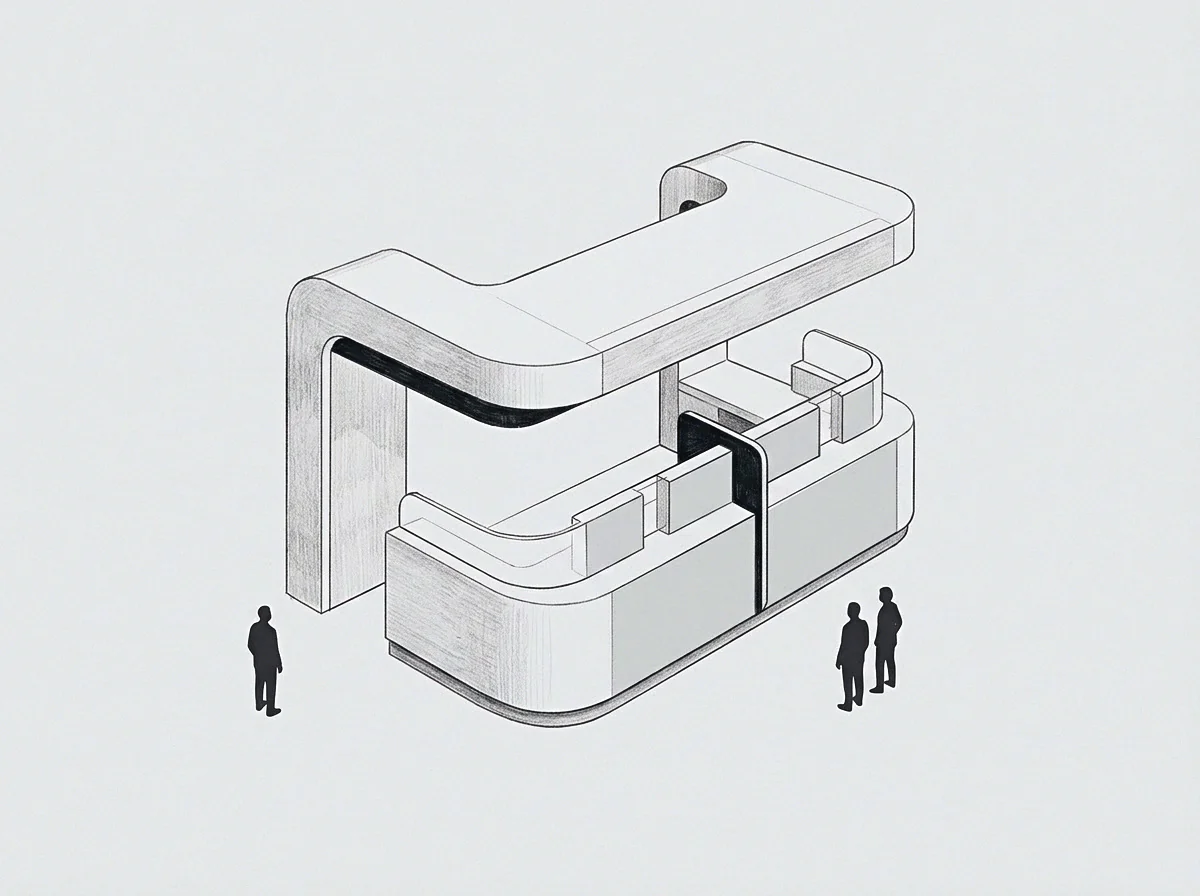
Contractual triggers automate executive seat unbundling during expansion by binding specific performance metrics to mandatory operational role transfers.

Equity divestment without technical and administrative credential revocation preserves de facto manager exposure and apparent agency liabilities.

Codifying tacit operational workflows into explicit seat definitions eliminates key person dependency discounts during small business equity transactions.

Organizational performance decays post-founder exit when uncodified cognitive routines and implicit sensemaking models exhaust their operational momentum.
Structural separation isolates technical execution from managerial oversight to eliminate cognitive context switching and clarify organizational decision rights.

Tacit knowledge deficits during founder transitions are resolved by converting mental context into explicit decision logs and revoking execution access.

Context switching between daily execution and strategic governance is managed through temporal partitioning, explicit escalation protocols, and systematic operational handover.

Separating core operational positions requires converting tacit daily execution into explicit position charters, market wages, and distinct time allocations.
The terms are written where they belong. Each field holds three desks, and every entry a desk writes raises the terms it uses, each term given a meaning, a mechanism and the places it appears. The record on these pages stays first person and hand made; the fields grow the nomenclature.