
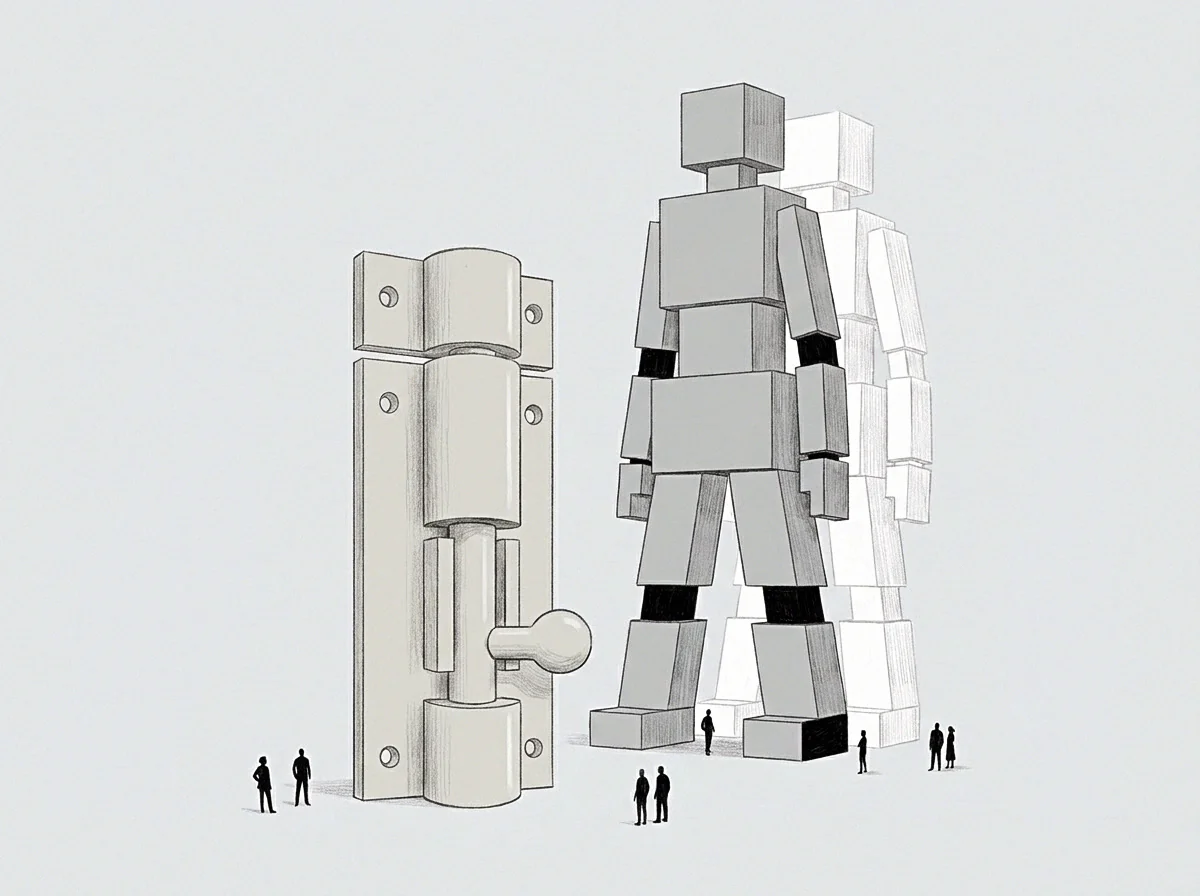
Designing Technical Transition Charters for Owner-Operator Corporate Handovers
Technical transition charters transfer operational system authority through documented root credentials, phased deployment controls, and explicit access sunsets.
Technical transition charters transfer operational system authority through documented root credentials, phased deployment controls, and explicit access sunsets.

Resolving unwritten operational dependencies requires converting shadow approval chains and tacit exception logic into explicit role thresholds before executive exit.

Mandatory equity redemption reclaims company shares from departing operators at predetermined prices to protect balance sheets and equity reserves.

Governance decoupling separates corporate voting rights from equity holdings while recapture formulas recalculate equity retention upon founder exit.
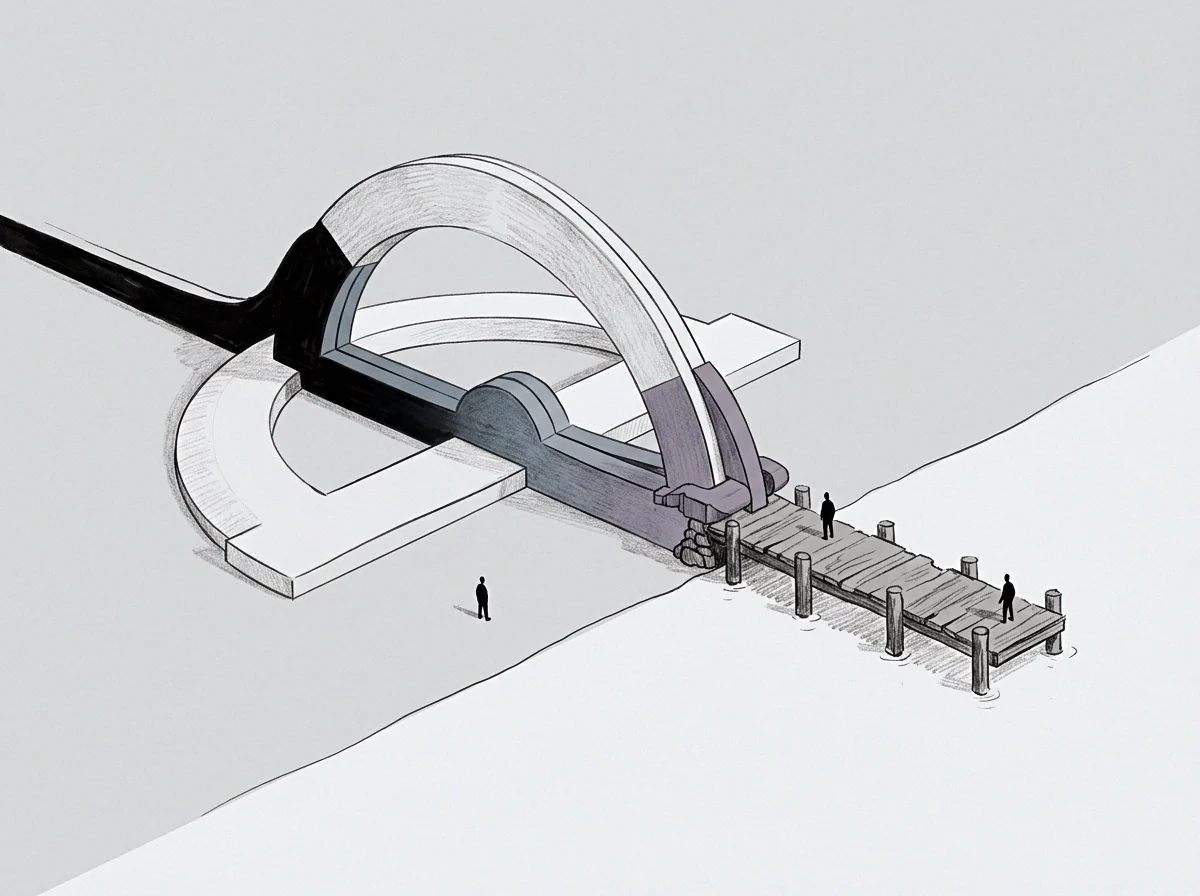
Arbitration separates commercial sales commitments from engineering system capacity through explicit trade-off budgets.
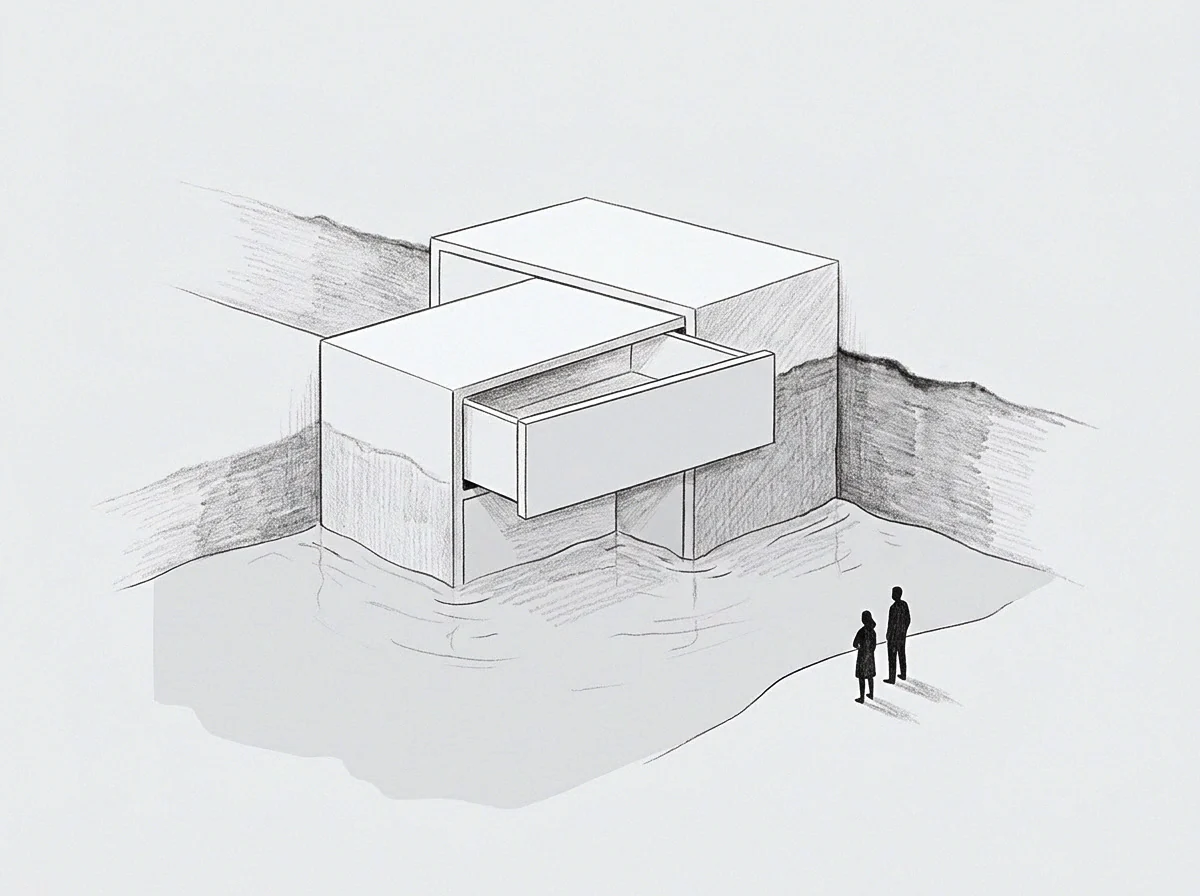
Exiting executives retain economic shares while assigning voting control to active operators through charter class conversion or irrevocable proxy agreements.

Early equity splits devalue unstated system maintenance by assuming symmetrical labor, forcing technical operators to subsidize venture survival with unpriced hours.
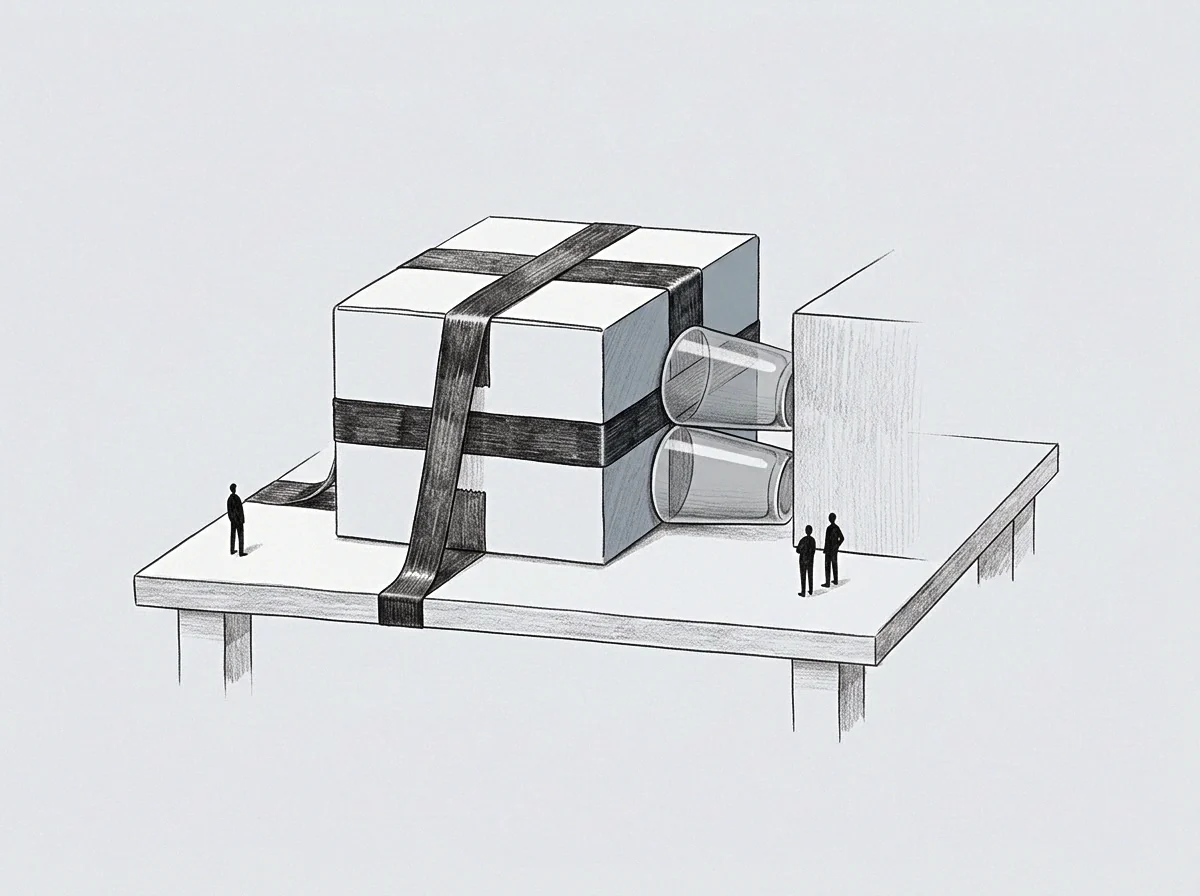
Separating technical craft from governance seats replaces covert friction with explicit operational boundaries and preserves long-term executive capacity.

Unrecorded technical hours are priced in early operations agreements by converting documented engineering labor into capital account credits, service debt, or equity adjustments.

Board controls on infrastructure liabilities require independent engineering audits and automated cash escrows that convert physical decay into balance sheet obligations.
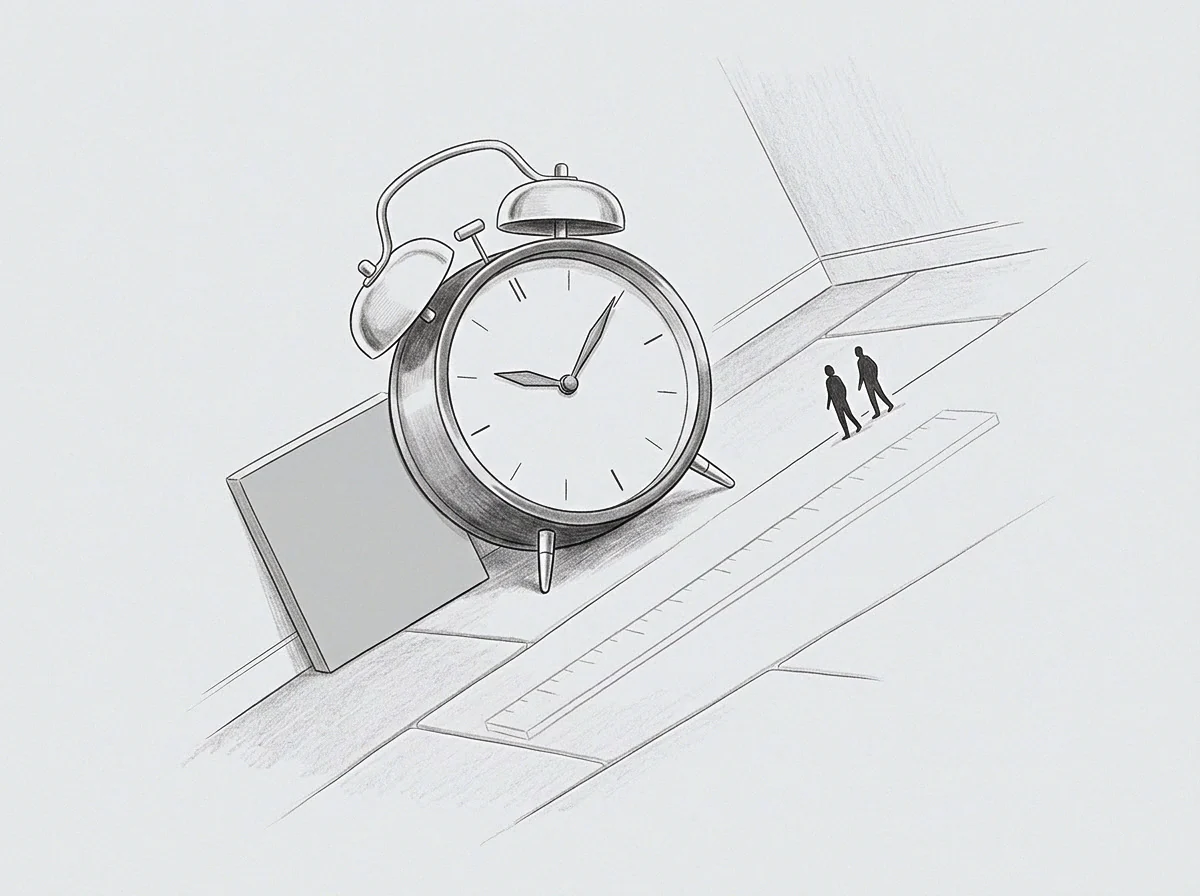
Structural time allocation covenants in operating agreements convert unwritten service expectations into enforceable operational hourly commitments.

Hard capacity limits isolate strategic governance from operational drift by enforcing calendar walls, device segregation, and strict escalation pacts.
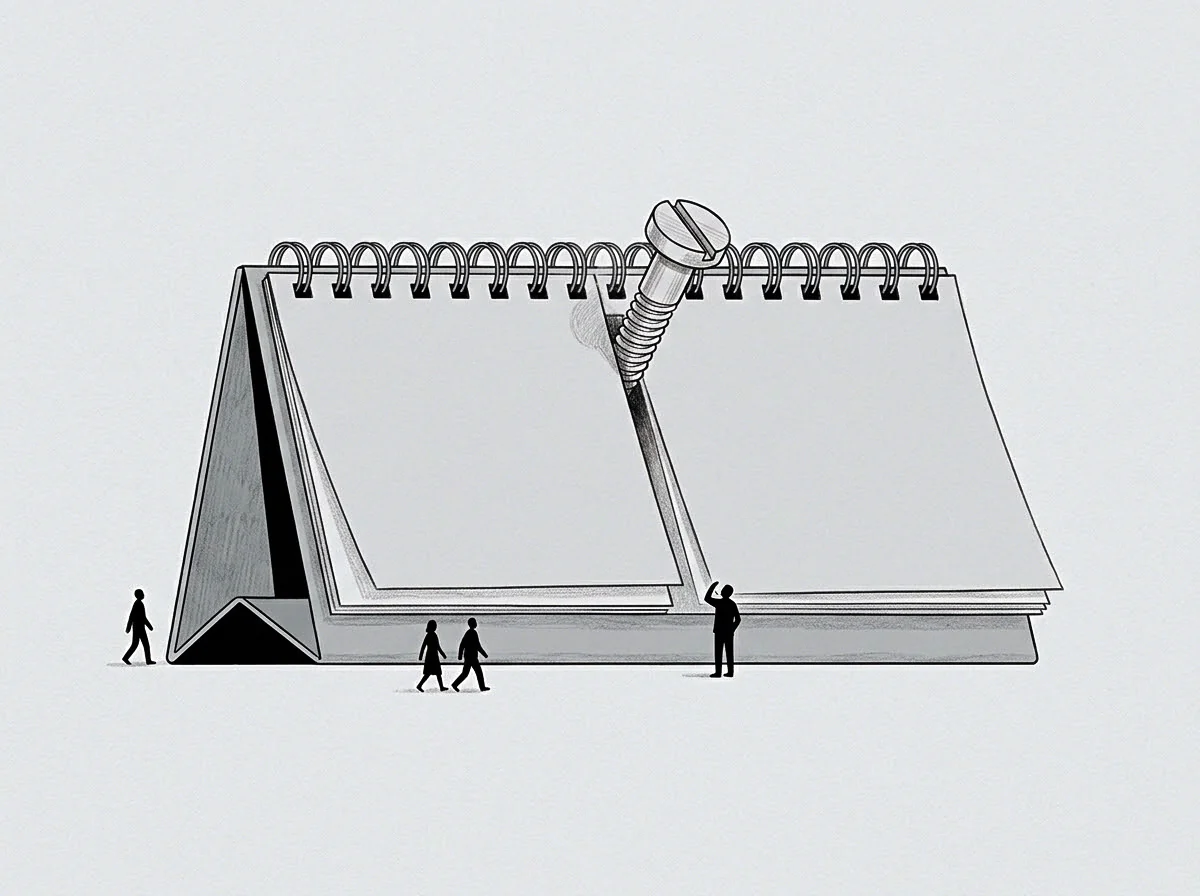
Tactical drag quantifies the productive labor lost when uncalibrated executive intrusions force operational teams to suspend work for defensive alignment.

Executive override paths allow officers to countermand delegated authority, stabilizing existential enterprise threats while risking managerial operational paralysis.

Operational drift erodes strategic decision-making by steadily displacing executive governance hours with unmeasured frontline delivery firefighting.

Formal service agreements convert tacit operational workload into priced capacity, preventing equity dilution from absorbing uncompensated operational labour.

Valuation discounts from founder operational dependence equal replacement management compensation plus capitalization rate premiums reflecting structural risk.
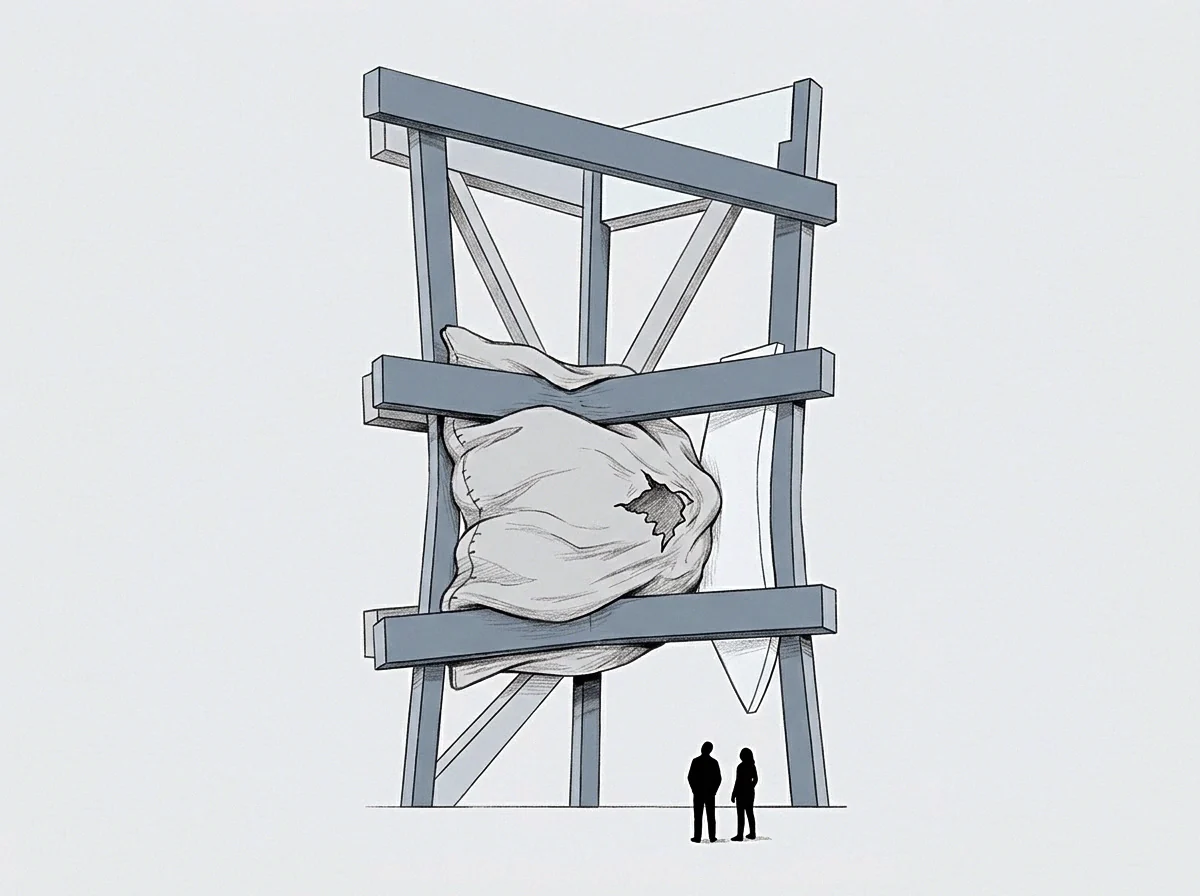
Partitioning owner operator capacity requires isolating technician triage within prepaid hour reserves while applying economic friction to unscheduled demands.

Engineering hours limits prevent catastrophic system defects during surges by forcing operational triage when technical intake volume exceeds physical capacity.

Tacit work transfer succeeds when an incoming technical executive independently resolves uncataloged system failures without founder escalation.
Formalizing technical delegation converts unwritten founder vetoes into explicit architectural thresholds based on decision reversibility and capital exposure.
The terms are written where they belong. Each field holds three desks, and every entry a desk writes raises the terms it uses, each term given a meaning, a mechanism and the places it appears. The record on these pages stays first person and hand made; the fields grow the nomenclature.