
Designing Hard Capacity Limits To Protect Strategic Governance Hours
Hard capacity limits isolate strategic governance from operational drift by enforcing calendar walls, device segregation, and strict escalation pacts.
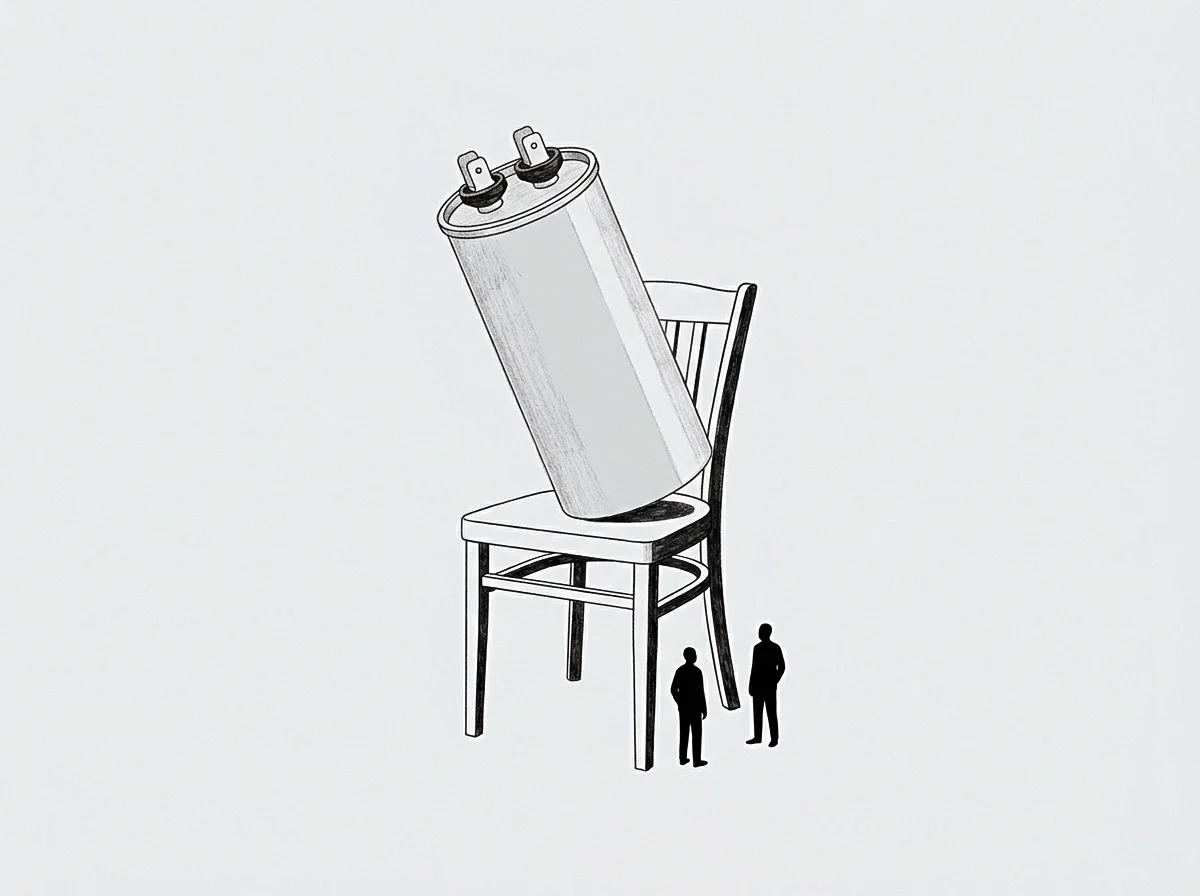
Curb

Intrusion of Tactical Work
An operator answers messages at midnight because daytime tasks took every scheduled hour. The morning started with plans to review capital allocation and executive retention terms, but operational fires took over: an engineering outage, a client escalation, a missing vendor invoice. By nightfall, the person in the governing seat has spent ten hours handling technician work.
Capacity set aside for directional choices evaporates under operational urgency. Without hard temporal borders around directional work, tactical execution takes over the schedule.
This displacement matches a well-known pattern in organizational research. Urgent tasks offer short feedback loops and quick psychological rewards, while directional governance carries delayed feedback, unclear completion points, and long cognitive fatigue. Without separation, operational demands crowd out strategic stewardship.
A founder in both roles defaults to routine maintenance, leaving the governance seat empty while working to exhaustion at the desk.
Operational urgency displaces long-term governance when temporal boundaries lack structural enforcement.
The solution requires hard capacity limits. Soft boundaries rely on executive willpower, which wears down over an operating week. Hard limits use physical, calendar, and procedural constraints that cut off operational intake, protecting the governing seat from constant encroachment.
A manager works in short cycles, while a founder in the governance seat sets long ones. Mixing these functions into a single schedule eats up governance hours first. Tactical work involves outside parties demanding quick replies; governance work carries internal tasks that are easy to push back.
Unstructured schedules always yield to operational demands.
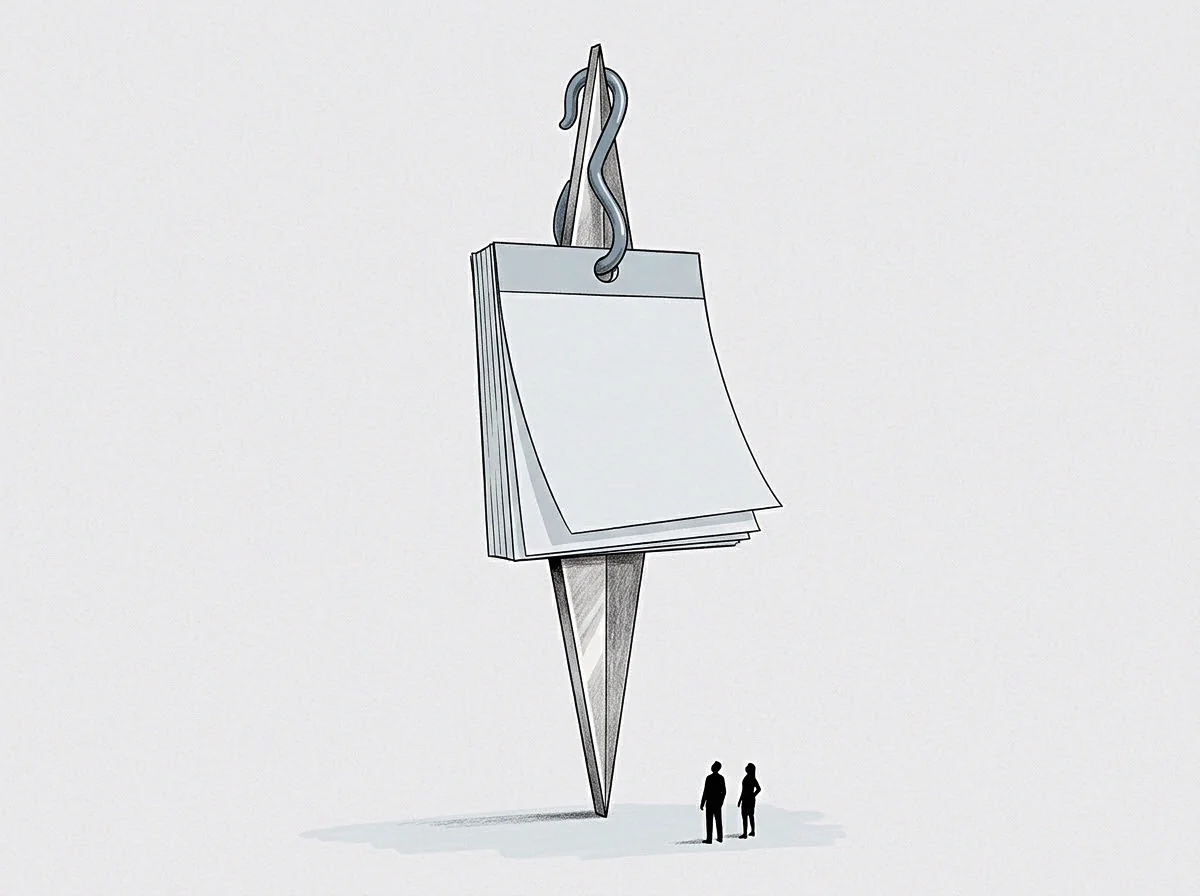
Tally

Capacity Allocation Across Seats
A work week offers a limited amount of focused attention. A founder steering company strategy while handling daily execution splits fifty productive hours across conflicting roles. Without clear separation, technician tasks take thirty-five hours, managerial duties claim twelve hours, and governance gets whatever is left over.
Directional governance takes unbroken blocks of clear thought, not leftover energy at midnight.
The cost of this arrangement is predictable. Anyone trying to govern in leftover hours makes defensive, short-term choices, approving operational compromises just to get through the day. They put off restructuring because thinking through the consequences takes mental energy spent hours ago on fires.
Over quarters, these missing governance hours compound into structural debt that eventually stalls operational momentum.
| Seat Position | Typical Attention Demands | Unbounded Distribution | Bounded Distribution |
|---|---|---|---|
| Technician | Execution, client deliverables, code, direct customer handling | 65 percent of total hours | 20 percent of total hours |
| Manager | Process coordination, one-to-one reviews, tactical resourcing | 25 percent of total hours | 40 percent of total hours |
| Governor | Capital stewardship, entity design, systemic risk, executive evaluation | 10 percent residual hours | 40 percent protected hours |
Protecting the governor seat means treating strategic capacity as fixed inventory. Hours set aside for entity design cannot turn into debugging or customer reconciliation when deadlines slip. When an operational crisis hits, the crisis waits past its deadline instead of eating into reserved governance time.
The organization adjusts its operational intake to real execution capacity only when the governor stops absorbing overruns through personal exhaustion.
Loose capacity limits let an enterprise rely on founder elasticity instead of building resilient workflows. Treating the founder as an open-ended buffer hides operational flaws. Setting firm ceilings exposes those procedural gaps, forcing leadership to solve root inefficiencies rather than absorbing friction through founder overtime.

Wall
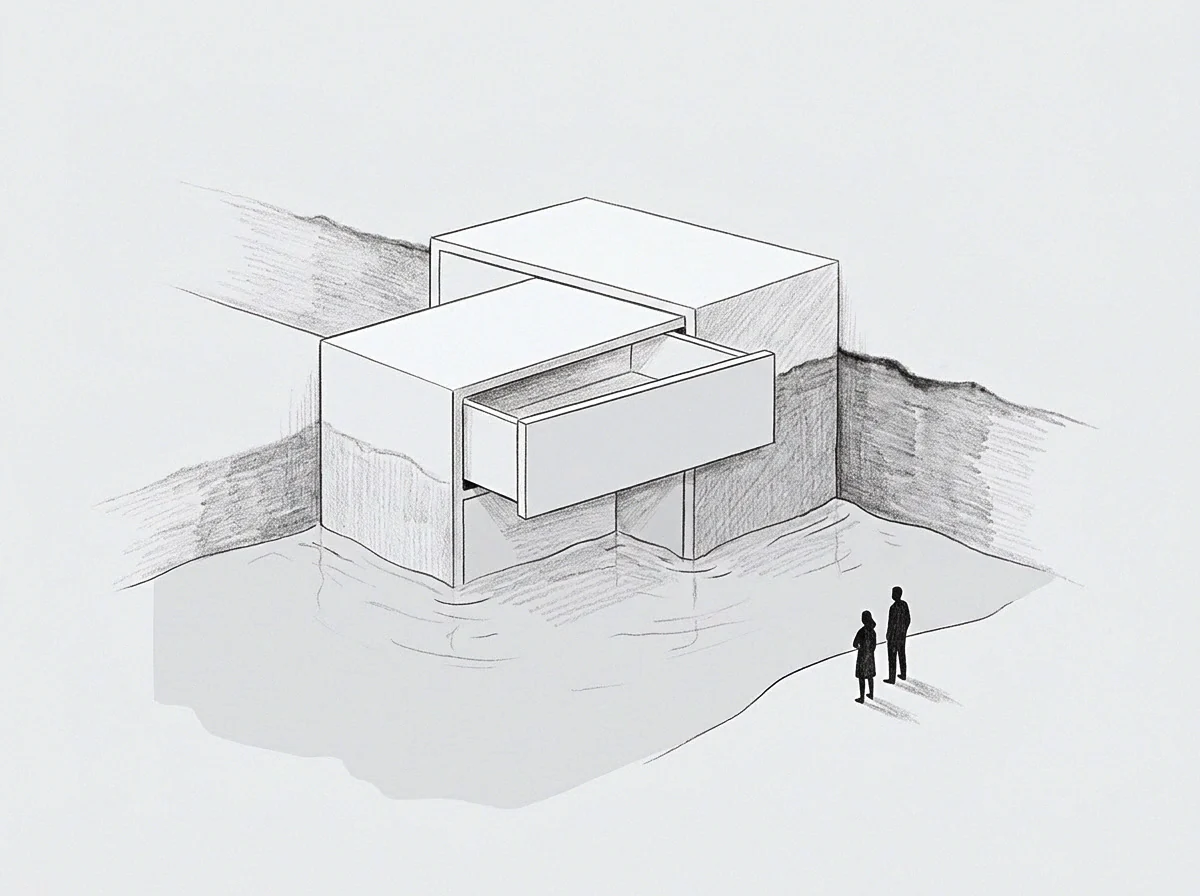
Structural Separations
Physical and calendar isolation protect analytical focus. A governor cannot evaluate structural balance sheets while embedded in the stream of daily support tickets. Surroundings dictate focus.
Using identical workspaces, browser sessions, and communication tools for management and governance forces constant task switching. Research on task residue shows that shifting between tactical work and strategic analysis carries a heavy mental restart cost.
A governance session conducted inside operational communication channels defaults to operational triage.
Isolating the governance seat involves distinct operational protocols:
- Hardware segregation removes tactical chat clients and inbox access from the device used for strategic evaluation.
- Temporal enclosure reserves unbroken multi-hour windows during peak cognitive hours, blocking operational interruptions.
- Communication blackouts delay response times, forcing operating lieutenants to resolve urgent issues locally.
- Location alternation changes the physical room to break visual associations with daily tactical operations.
Consider two partners running a technical services firm generating five million in annual billings. Both spend forty hours a week inside production repositories, handling escalations directly, while scheduling governance discussions for Friday afternoons. In practice, operational incidents consistently derail those sessions.
Strategic direction stalls, capital deployment remains erratic, and critical partnership terms drift unaddressed for eighteen consecutive months.
Suppose the partners restructure their work week, walling off Tuesdays and Thursdays entirely from operational tools. They establish a rule: operational servers could fail completely during these blocks, but neither partner responds until the session finishes. Lieutenants handle incidents.
The first quarter brings operational friction that exposes gaps in system documentation, but the enforced absence forces the team to write recovery playbooks. Within six months, both founders run twenty protected governance hours weekly. Growth accelerates because directional investments get deliberate, uncompromised analysis.
This model assumes operating lieutenants possess baseline competence. If the operational team lacks foundational skill, a rigid boundary leads to breakdown rather than adaptation. The setup requires a basic operational standard before calendar isolation can work safely.
Without that foundation, a founder risks enterprise insolvency while sitting alone reading governance theory.
Where this baseline exists, the barrier holds, and the operator accepts short-term friction to build long-term resilience.
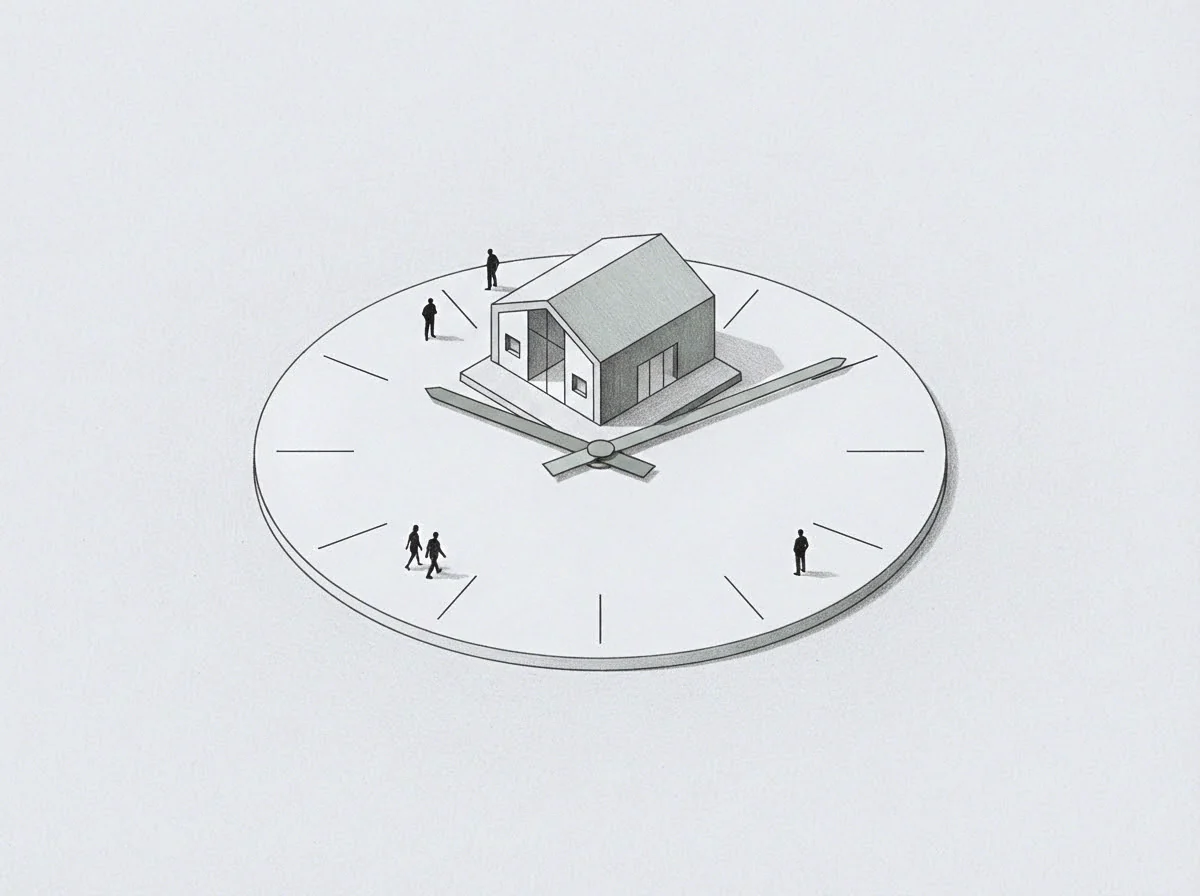
Pact

Agreements with Operating Counterparts
A boundary exists only when counterparties acknowledge its friction. When a founder steps back into governance, colleagues view the absence as a leadership vacuum unless terms are written down. Staff used to immediate escalations read deliberate unreachability as neglect.
The founder has to set bilateral agreements that spell out operational limits, incident thresholds, and decision authorities.
These compacts set explicit escalation triggers. An outage affecting twenty percent of customer accounts justifies interrupting strategic hours; a routine contract negotiation does not. Codifying these rules cuts down on emotional friction.
The team knows exactly when to cross the barrier and when to handle issues locally, turning a personal rule into organizational policy.
Stated escalation thresholds convert founder unreachability from personal absence into organizational policy.
Corporate law mirrors this division. In public companies, statutes enforce a strict line between executive management and the board of directors. The board meets periodically, reviews executive metrics, inspects corporate trajectory, and leaves tactical execution to management.
An owner-operator has to replicate that same structural divide inside a single enterprise, keeping executive duties separate from directional oversight.
Creating this separation introduces transitional friction. Lieutenants often resist sudden jumps in decision ownership, sometimes delaying choices and letting projects stall until the founder finishes a governance block. The founder must tolerate these temporary delays without stepping back in.
Returning to operator mode during reserved hours breaks the pact, signaling that the boundary is only advisory.
Once the pact breaks, staff revert to routing every non-trivial decision back to the founder’s desk.

Lever
Is Boundary Maintenance Possible Under Acute Crisis?
A central tension emerges during severe business disruptions. When cash runs low or core operations fail, the pressure to step back into tactical work is highest. Research on organizational survival shows that centralizing authority in one operator speeds up crisis response.
Yet abandoning governance hours when survival is on the line guarantees that tactical choices lose long-term coherence.
This creates a sharp trade-off. Diving into tactical details resolves immediate friction at the expense of directional planning, while keeping hard governance capacity risks short-term failure through operational neglect. Under extreme strain, rigid limits press against reality, and evidence for the exact point where an executive should suspend capacity limits remains inconclusive.
When volatility becomes chronic, founders forfeit the governing posture entirely. They treat every week as an emergency, spending years addressing symptoms while root causes go unanalyzed. Capacity limits serve as a diagnostic gauge: an organization that cannot spare twelve hours of founder time weekly for strategic stewardship is fundamentally under-resourced or structurally flawed.
A disciplined response uses crisis to test systemic limits. The governor sets a time-bounded operational re-entry, outlining exact conditions for stepping back from emergency interventions. This maintains the governance role even during operational turmoil.
The founder steps into technician tasks temporarily, fully aware of the shift and its cost in attention.
The governing seat remains a distinct role, waiting to be reclaimed the moment the crisis subsides.