

Evaluating Enterprise Readiness For Direct Acquisition Funding Sequences
Enterprise readiness for acquisition funding sequences requires decoupling founder tacit work, proving normalized earnings quality, and verifying debt coverage ratios.
Enterprise readiness for acquisition funding sequences requires decoupling founder tacit work, proving normalized earnings quality, and verifying debt coverage ratios.

Deducting market replacement wages from seller discretionary earnings normalizes enterprise profit when an owner surrenders operational seats upon sale.

Decoupling operational execution from individual identity through formal seat architecture eliminates key person valuation discounts prior to equity transfer.
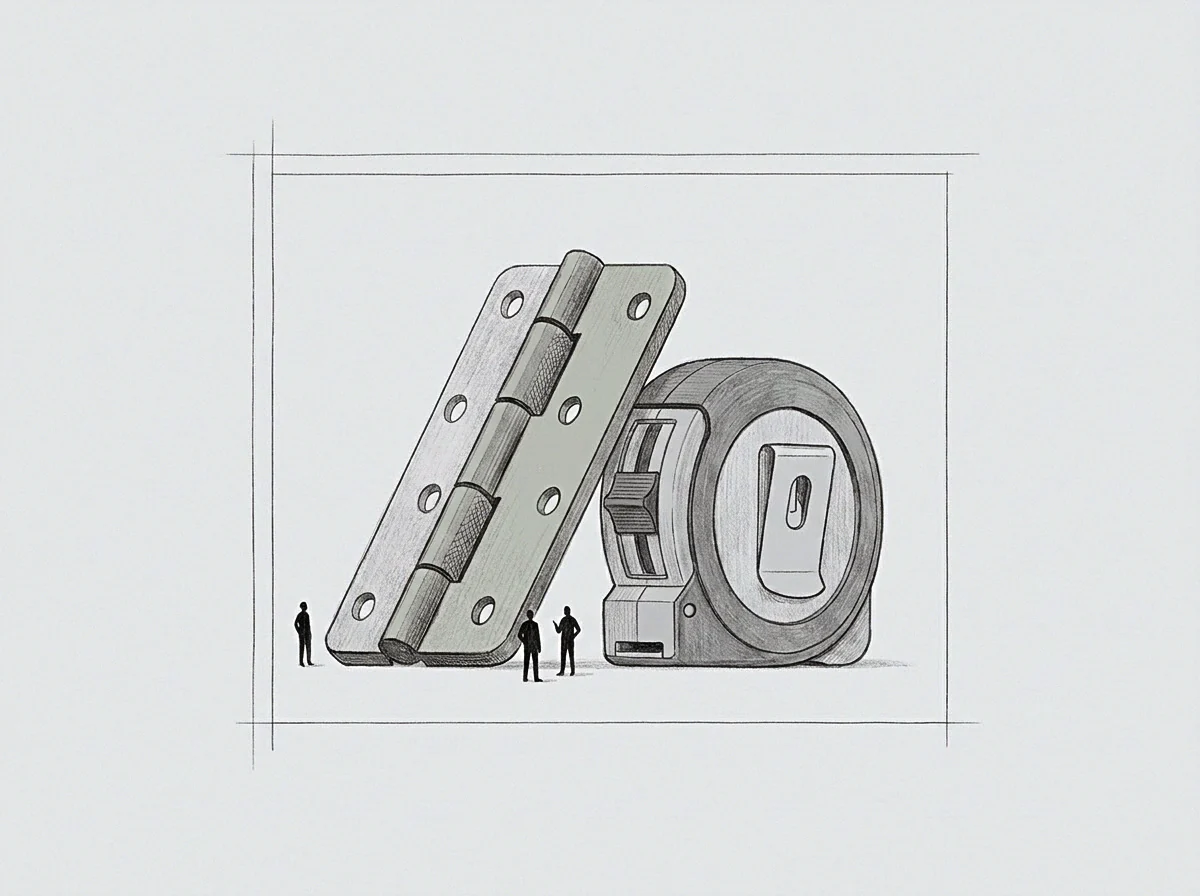
Unwritten executive rules transfer through structured operational audits and explicit contract covenants that price informal managerial habits before closing.

Amending governance contracts to separate operational execution from tacit advisory duties stabilizes executive seats when knowledge codification halts post acquisition.

Extracting tacit founder routines before enterprise acquisition diligence converts unwritten operating memory into verifiable, transferable organizational assets.

Exiting founders underpay replacement market salaries, inflating historical earnings and distorting early equity buyout valuations.

Equity vesting schedules bound to verified process handovers release equity only when operational domains achieve autonomous successor performance.

Executing legal founder equity grants prior to documenting tacit operational workflows creates severe structural key-person risk and unpriced replacement costs.

Separating code authority from director oversight isolates operational repository rights from statutory governance to protect audit integrity and peer review.

Unstated equity expectations during technical leadership transitions resolve through explicit vesting triggers and formal governance seat separation.

Explicit governance thresholds convert tacit individual engineering heroics into automated operational boundaries and funded contractual revisions.

Post-succession liability enforcement recovers unrecorded operational debt through contractual indemnity survival terms, bad-leaver share buybacks, and escrow offsets.

Resolving unwritten operational dependencies requires converting shadow approval chains and tacit exception logic into explicit role thresholds before executive exit.
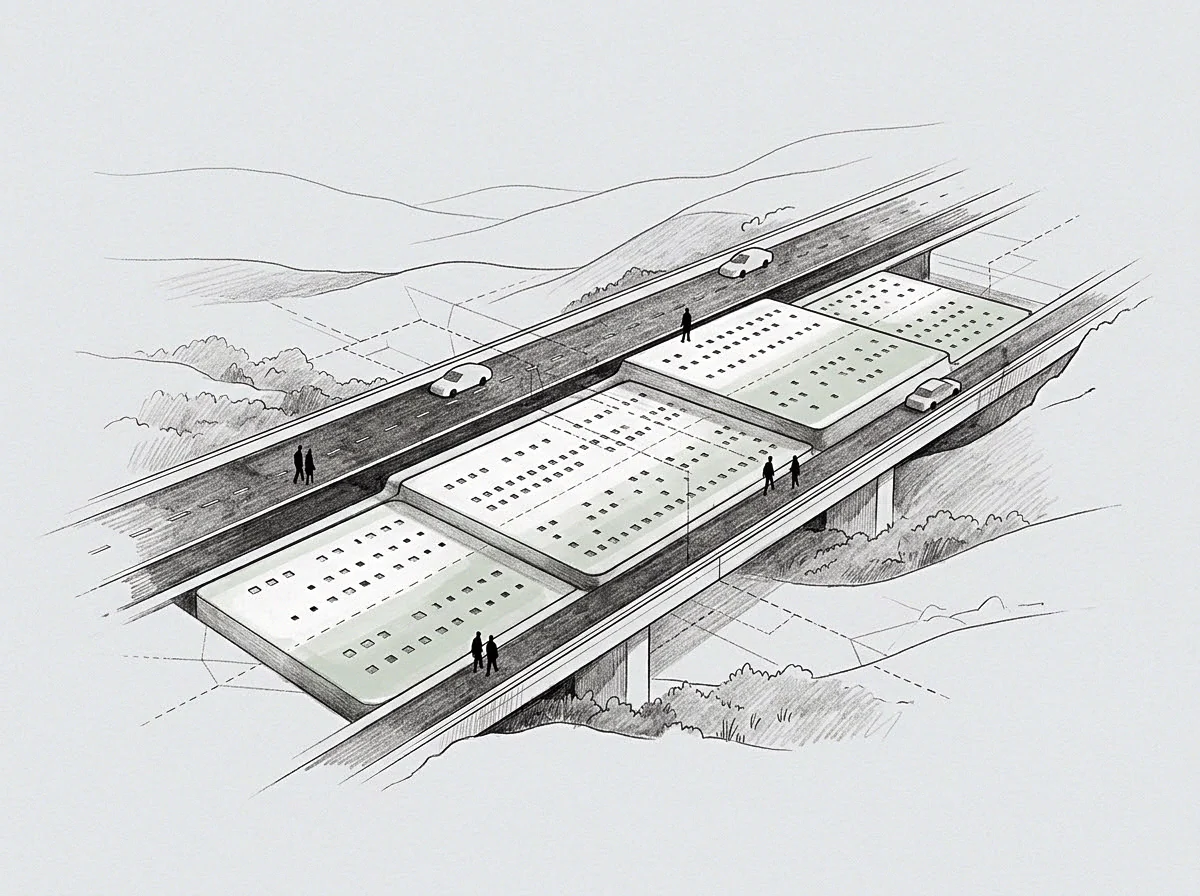
Technical drag during leadership transitions represents accumulated delivery latency, unarbitrated architectural debt, and context loss when executive authority vacates.

Contractual protocols preserve undocumented architecture by tying executive severance and equity release to audited technical mapping and verified knowledge transfer.
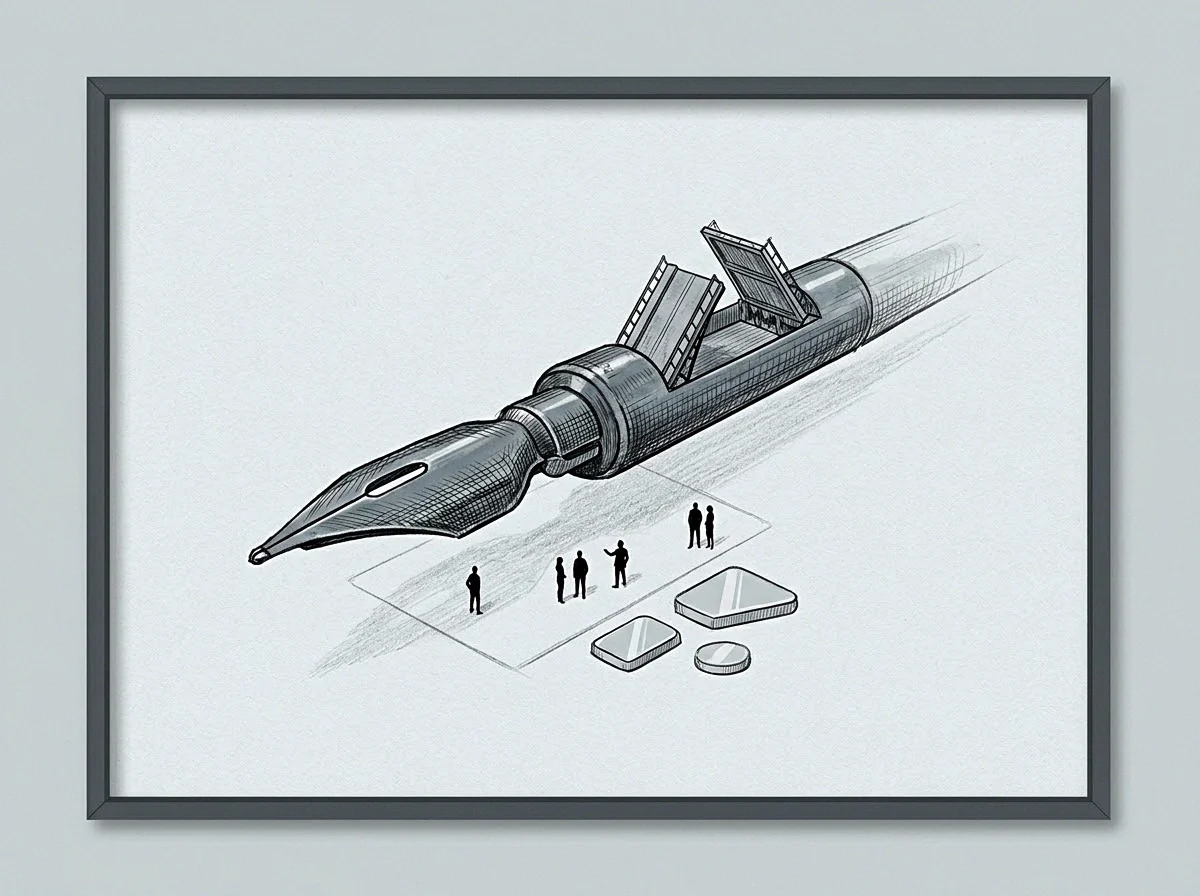
Former software maintainers retain covert organizational control by hoarding undocumented architectural rationale while abandoning formal accountability.

Architectural boundary contracts convert implicit founder interventions into explicit governance terms, isolating executive responsibilities from engineering execution.

Technical intuition survives commit detachment by reading telemetry boundaries, incident forensics, and contract migrations instead of compiler diagnostics.

Technical leaders leave production coding by establishing explicit architectural governance thresholds and revoking daily repository write permissions.

Stepping away transfers daily codebase modification to employed staff while fixing the original author into governance, architectural audit, and stated capital terms.

Growth experimentation platforms isolate causal inference from feature switches using deterministic hashing, unified telemetry, and statistical validation.

Departing owner buybacks use adjusted EBITDA baselines, subordinated seller notes, and cash-flow deferral caps to protect operating cash while repurchasing equity.

Delaware Section 242(b)(2) mandates a separate class vote for non-voting common shares on adverse charter alterations unless opt-out clauses apply.

Good leaver clauses enforce conditional equity repurchase options, reclaiming departing partner shares at either fair market value or par cost.

Modifying early-stage equity vesting before resignation substitutes default buybacks with structured advisory terms, partial acceleration, or milestone releases.
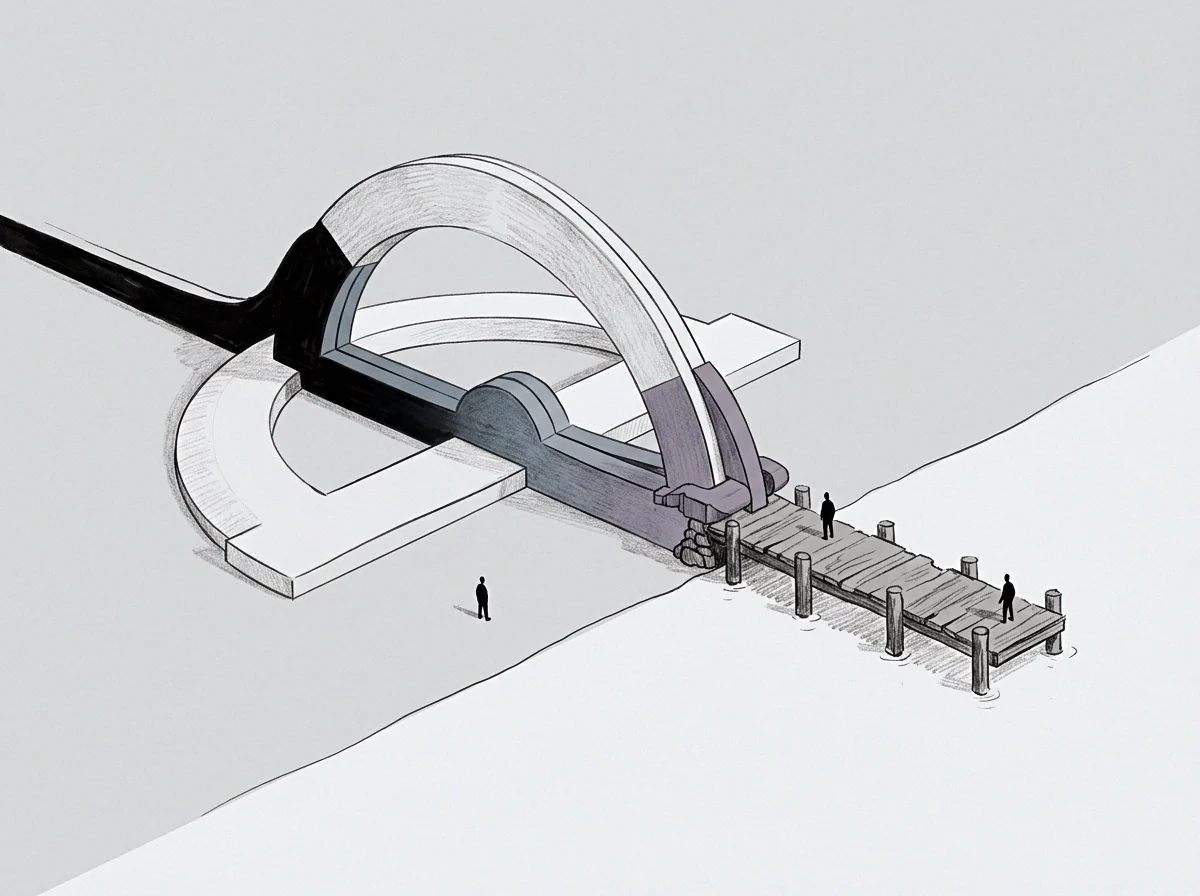
Arbitration separates commercial sales commitments from engineering system capacity through explicit trade-off budgets.

Engineering throughput limits protect technical capacity from executive overcommitment by establishing binding allocations and formal signature authority over intake.
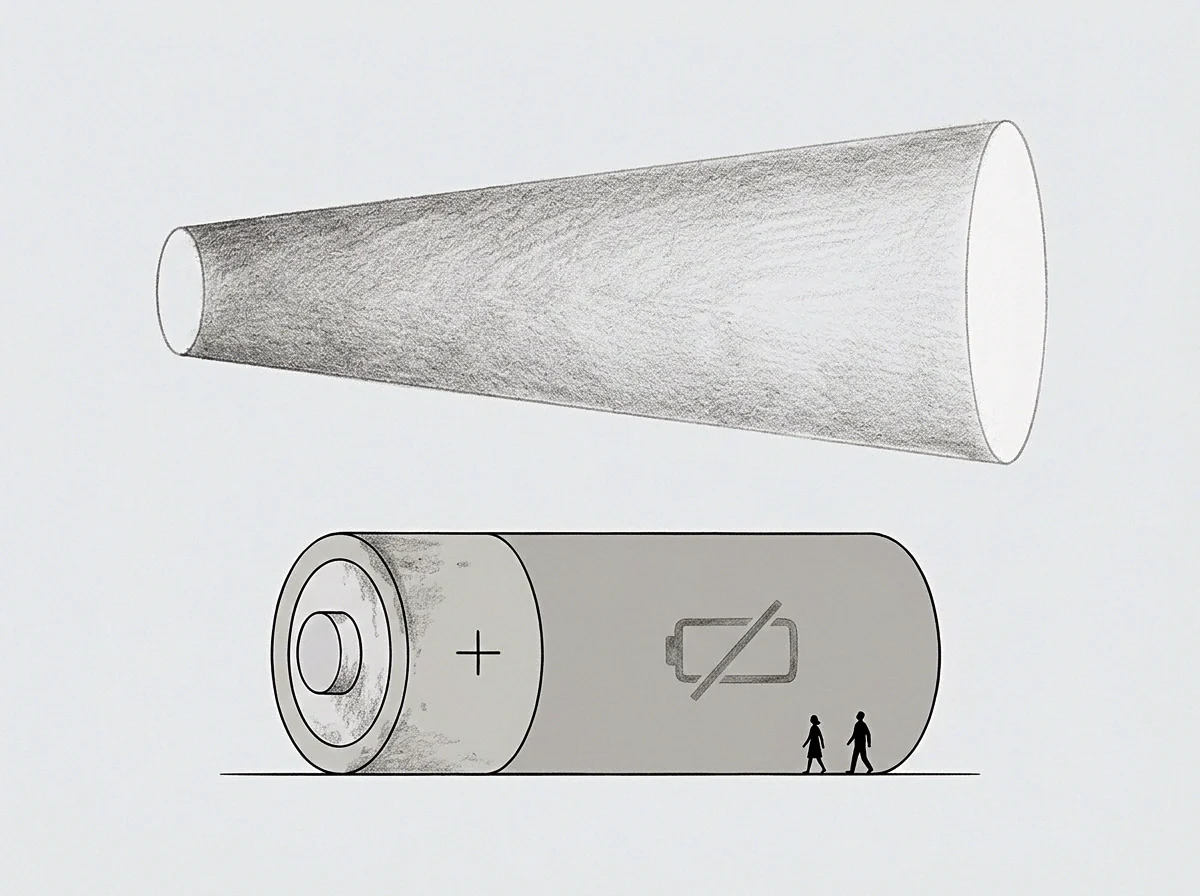
Partitioning technical governance, people management, and code architecture into distinct seats stops task switching from consuming executive cognitive capacity.

Architectural dependencies convert headcount growth into coordination drag, reducing parallel software delivery velocity unless teams govern domain boundaries with isolated contracts.
The terms are written where they belong. Each field holds three desks, and every entry a desk writes raises the terms it uses, each term given a meaning, a mechanism and the places it appears. The record on these pages stays first person and hand made; the fields grow the nomenclature.