

Stepping Away From Active Software Engineering Work
Stepping away transfers daily codebase modification to employed staff while fixing the original author into governance, architectural audit, and stated capital terms.
Stepping away transfers daily codebase modification to employed staff while fixing the original author into governance, architectural audit, and stated capital terms.
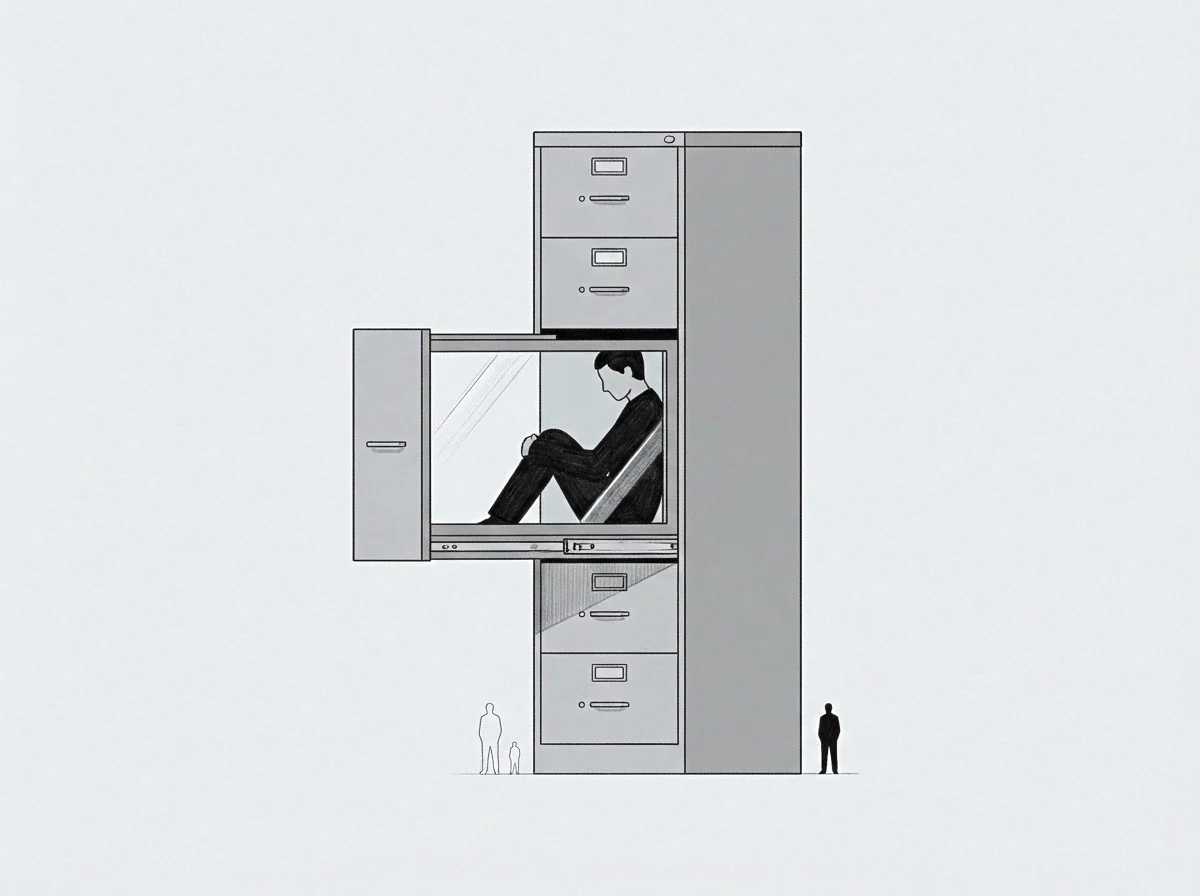
Resolving architecture-governance asymmetry requires instrumenting continuous technical debt telemetry directly into board audit risk charters.
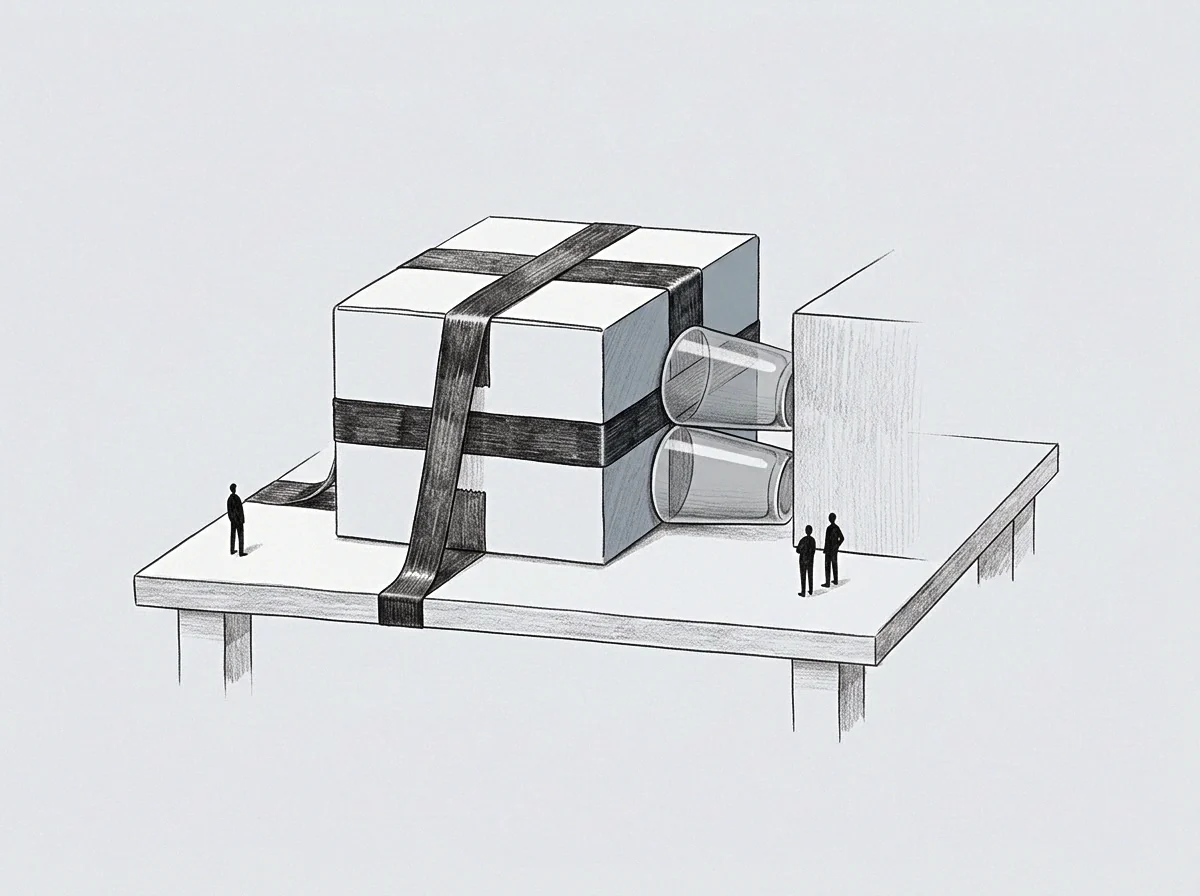
Separating technical craft from governance seats replaces covert friction with explicit operational boundaries and preserves long-term executive capacity.
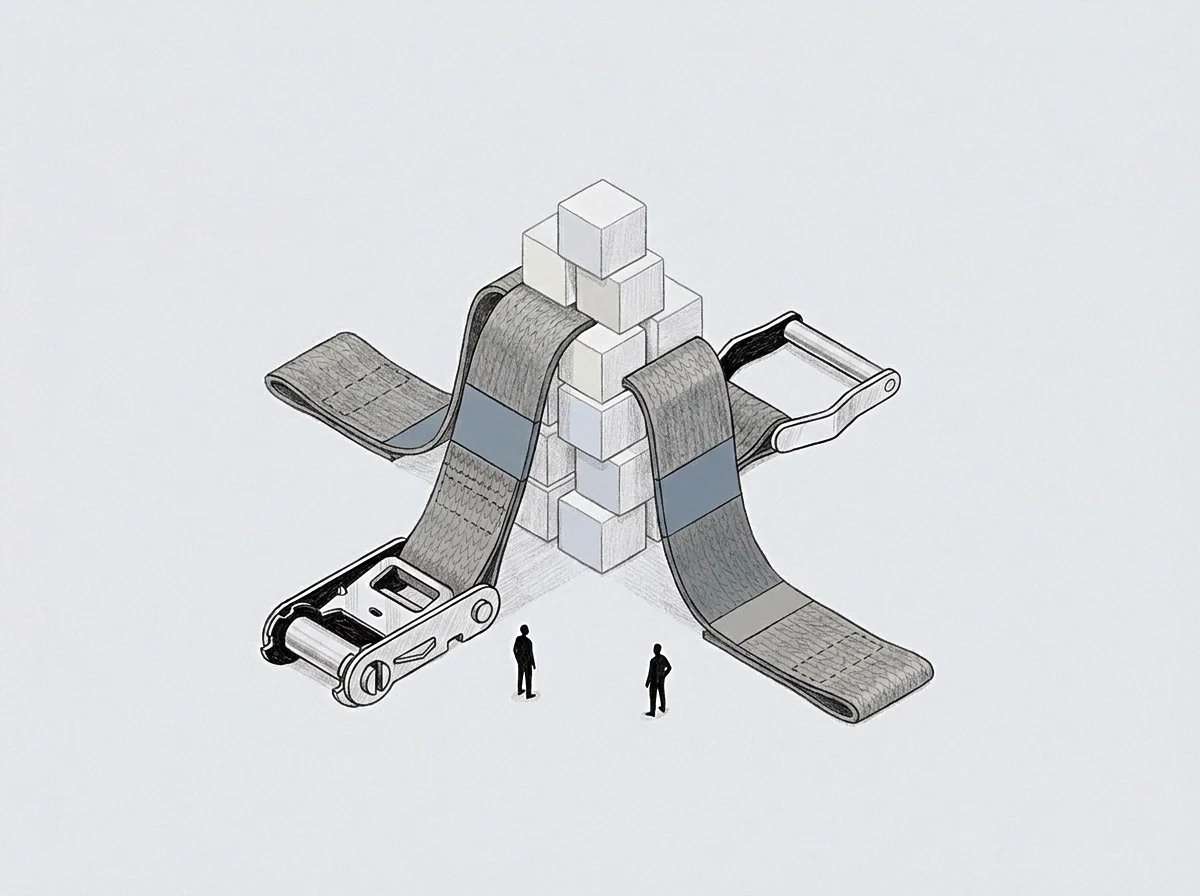
Unhedged context switching between technical tasks and corporate oversight drains working memory and degrades fiduciary stewardship, creating legal vulnerabilities.

Informal task absorption permanently impairs executive governance when tactical administrative triage consumes over forty percent of weekly supervisory hours.
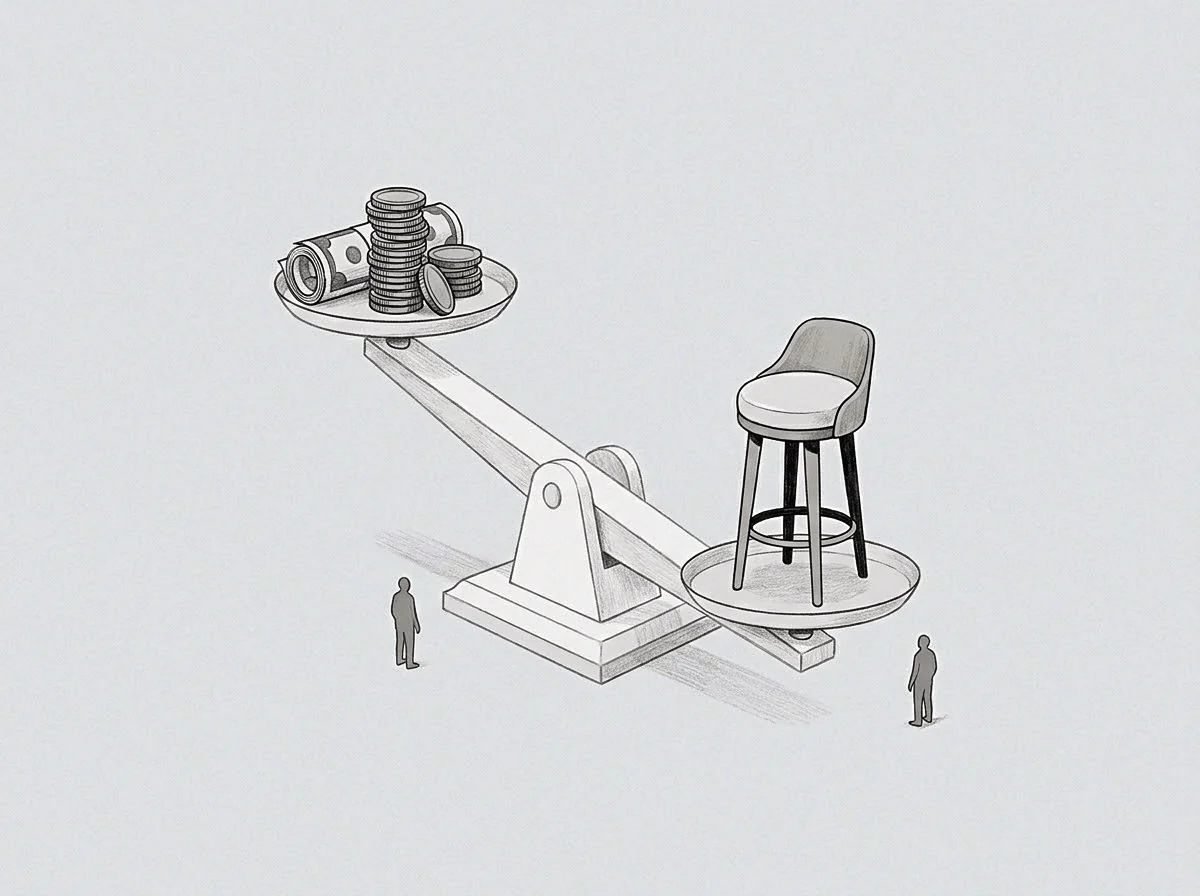
Mandatory compensation recapture actions require independent directors to calculate and collect errantly awarded incentive pay regardless of officer fault.

Technical directors protect corporate governance by surrendering infrastructure access, terminating private staff channels, and restricting reviews to formal audit packs.

Corporate authority divides into fiduciary equity oversight preserving enterprise solvency and delegated executive management executing daily operational targets.
The terms are written where they belong. Each field holds three desks, and every entry a desk writes raises the terms it uses, each term given a meaning, a mechanism and the places it appears. The record on these pages stays first person and hand made; the fields grow the nomenclature.