

Structural Governance Mechanics of Enterprise Client Trust Transfer in Founder Led Firms
Enterprise client trust transfers from founders to operating teams when structural escalation paths and binding commercial authority replace personal covenants.
Enterprise client trust transfers from founders to operating teams when structural escalation paths and binding commercial authority replace personal covenants.

Executive role drift depresses long-term equity value by masking unrecorded operational costs and triggering severe acquirer transferability discounts.
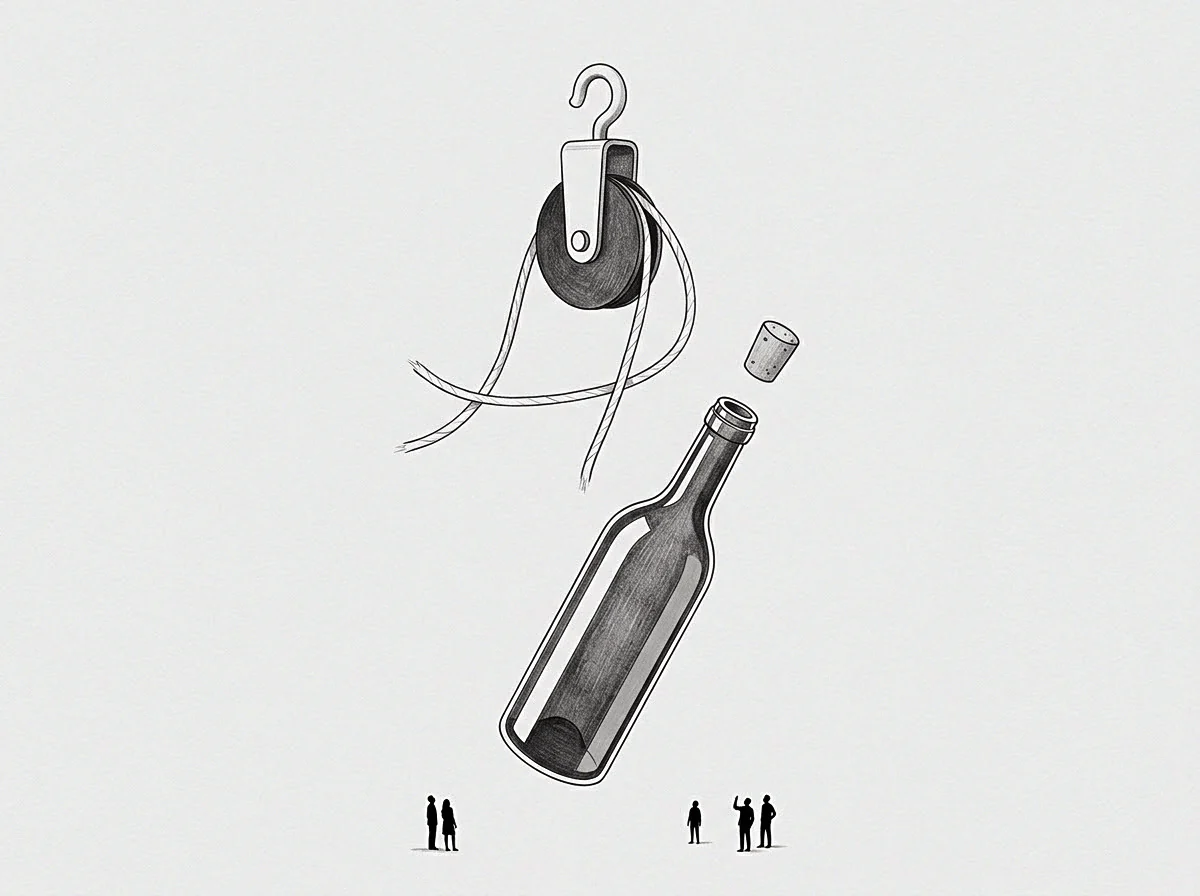
Quantifying operational switching costs reveals hidden capacity losses when one executive simultaneously juggles production, management, and governance duties.
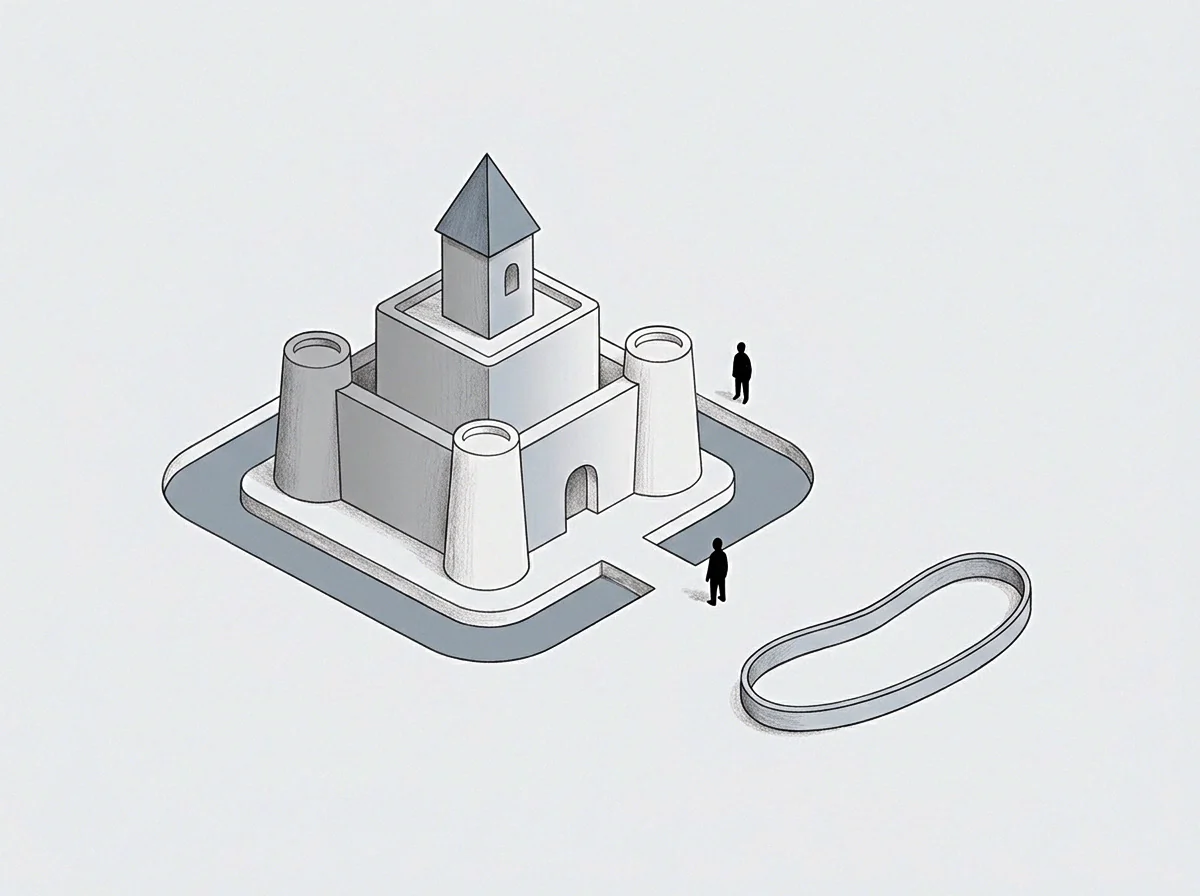
Structural separation detaches daily operational executive command from corporate equity ownership through explicit board charters and delegation terms.

Switching between daily operations management and board governance generates cognitive latency and structural bias that degrades long-term fiduciary oversight.
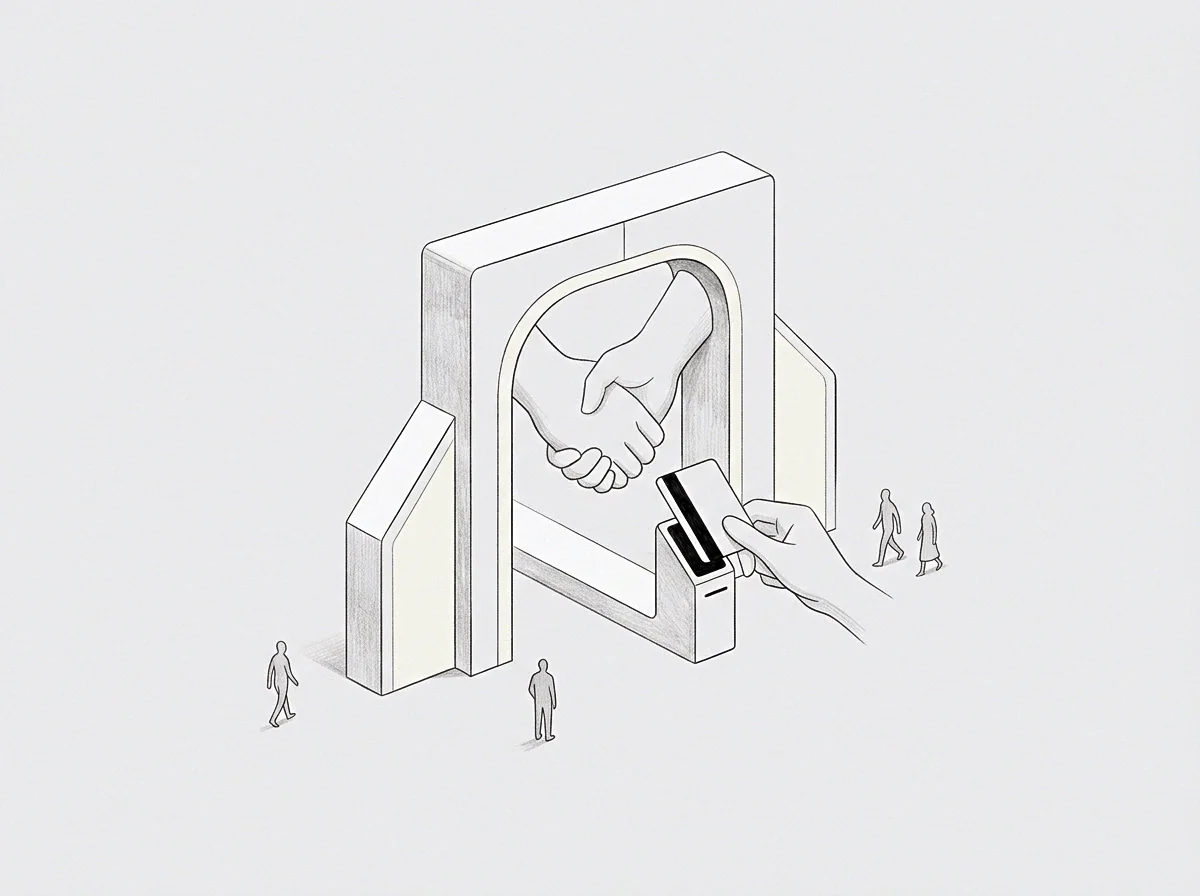
Capital allocation collapses when daily execution consumes executive capacity, requiring proxy seats to isolate balance sheet governance from maintenance.

Governance firewalls isolate operational execution from investor interference by channeling all shareholder communications through a designated executive office.
The terms are written where they belong. Each field holds three desks, and every entry a desk writes raises the terms it uses, each term given a meaning, a mechanism and the places it appears. The record on these pages stays first person and hand made; the fields grow the nomenclature.