Meaning
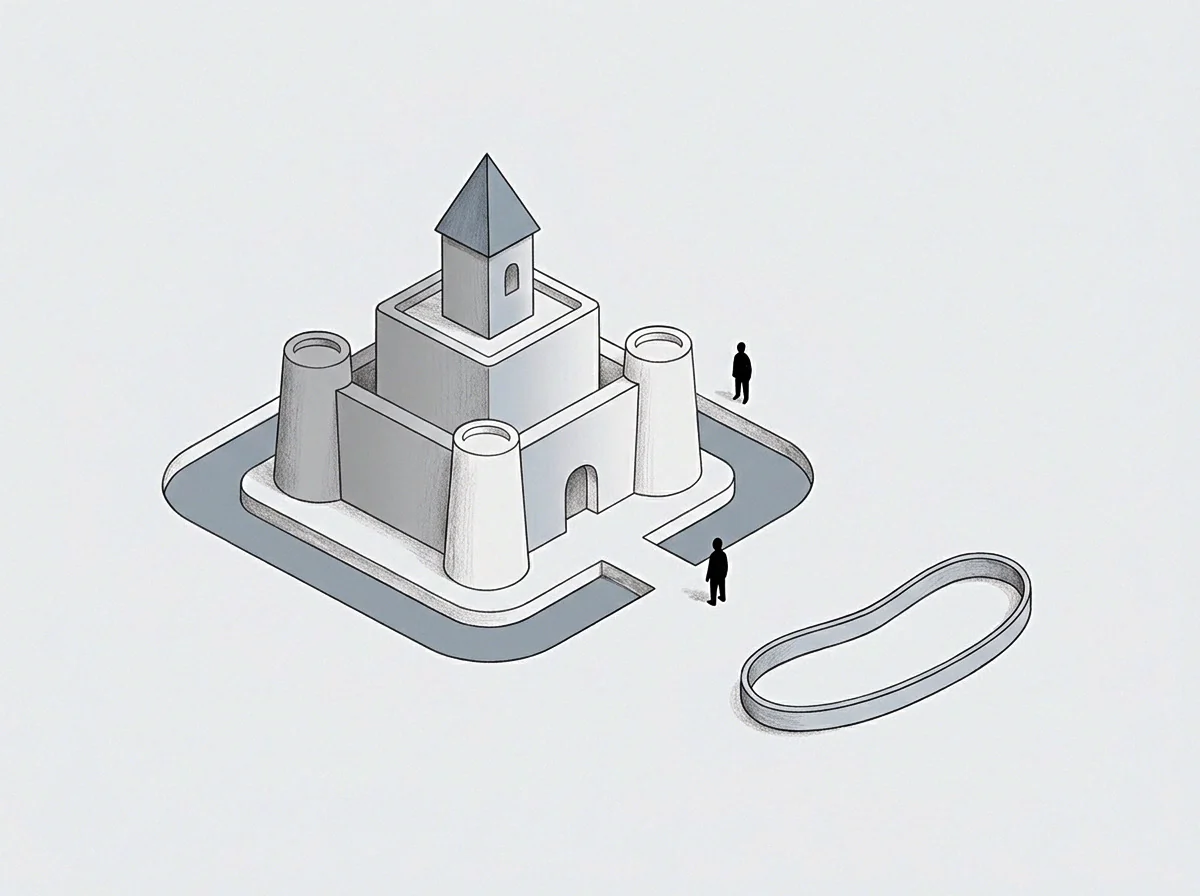
Corporate governance requires a division of responsibility that isolates supervisory duties from executive tasks. This structural design prevents a single individual from dominating both long-term strategic direction and daily execution. In many private enterprises, authority separation is established when a founder moves from the chief executive seat to a chairmanship.
This transition limits the influence of the founder over direct operational choices, preserving the integrity of managerial choices while maintaining oversight.
Governance Boundary
A clear distinction between oversight and execution is necessary to prevent confusion in leadership. Board members hold the power to appoint, evaluate, and replace the chief executive officer. When founders step back from management but retain their seats on the board, authority separation keeps them from giving direct orders to the staff.
This boundary protects the executive team from interference.
Operational Friction
The process of stepping away from daily control often causes high attention cost for the creator of a firm. Founders who remain on the board must watch decisions they might disagree with unfold without intervening. This causes frustration and requires a deliberate reduction in daily involvement, demanding hours of restraint instead of activity.
Financial Outcome
Long-term stability often improves when strategic choices undergo formal review. Capital allocation becomes more disciplined because the executive team must defend their plans to an independent board. This discipline reduces the likelihood of speculative projects and helps secure favorable terms from lenders who value structured governance.