

Quantifying Executive Capacity Loss From Informal Operational Absorption
Informal operational absorption drains executive capacity when unassigned operational exceptions migrate upward, fragmenting strategic concentration through persistent triage.
Informal operational absorption drains executive capacity when unassigned operational exceptions migrate upward, fragmenting strategic concentration through persistent triage.
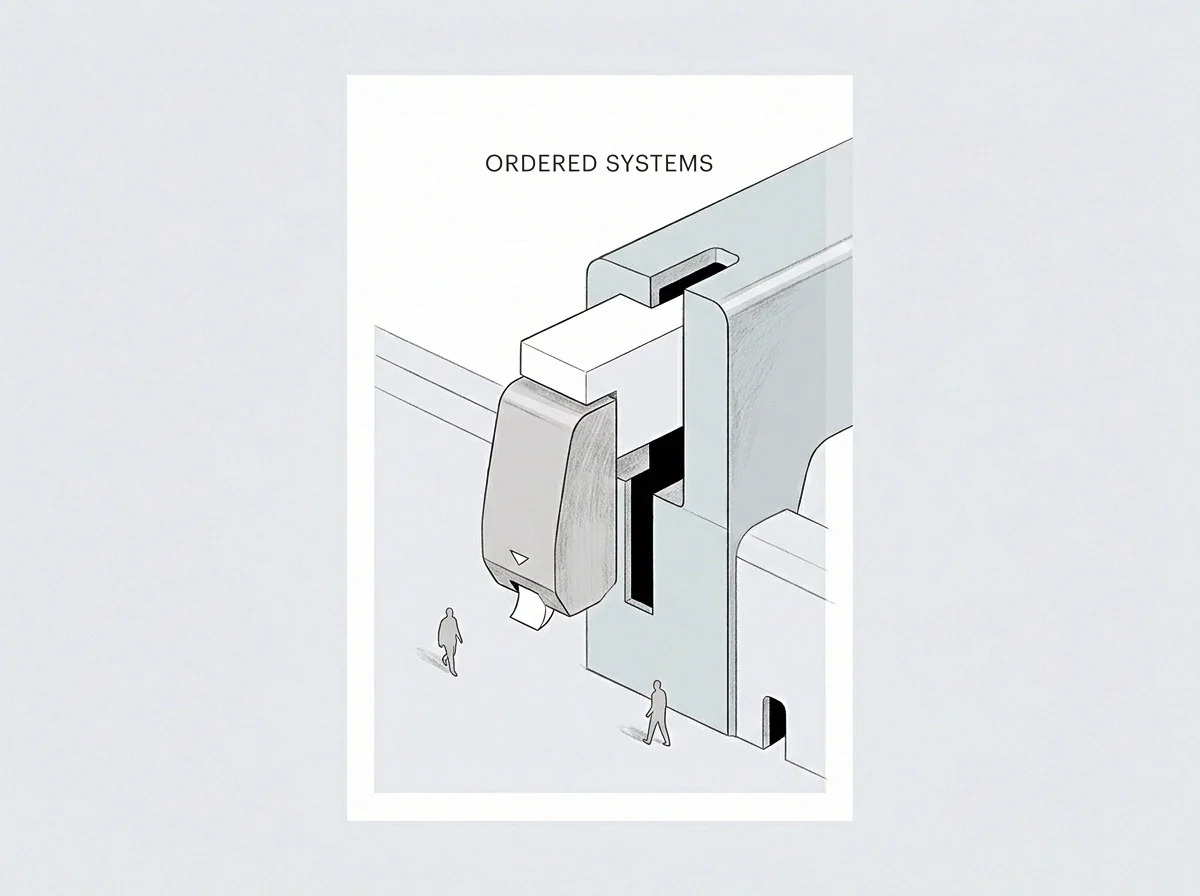
Owner operator succession transfers procedural capability through structured co-execution and deliberate scaffold removal rather than static documentation.

Uncodified operational risk barriers emerge when implicit authority systems and tacit procedures fail to transfer during executive transition sequences.
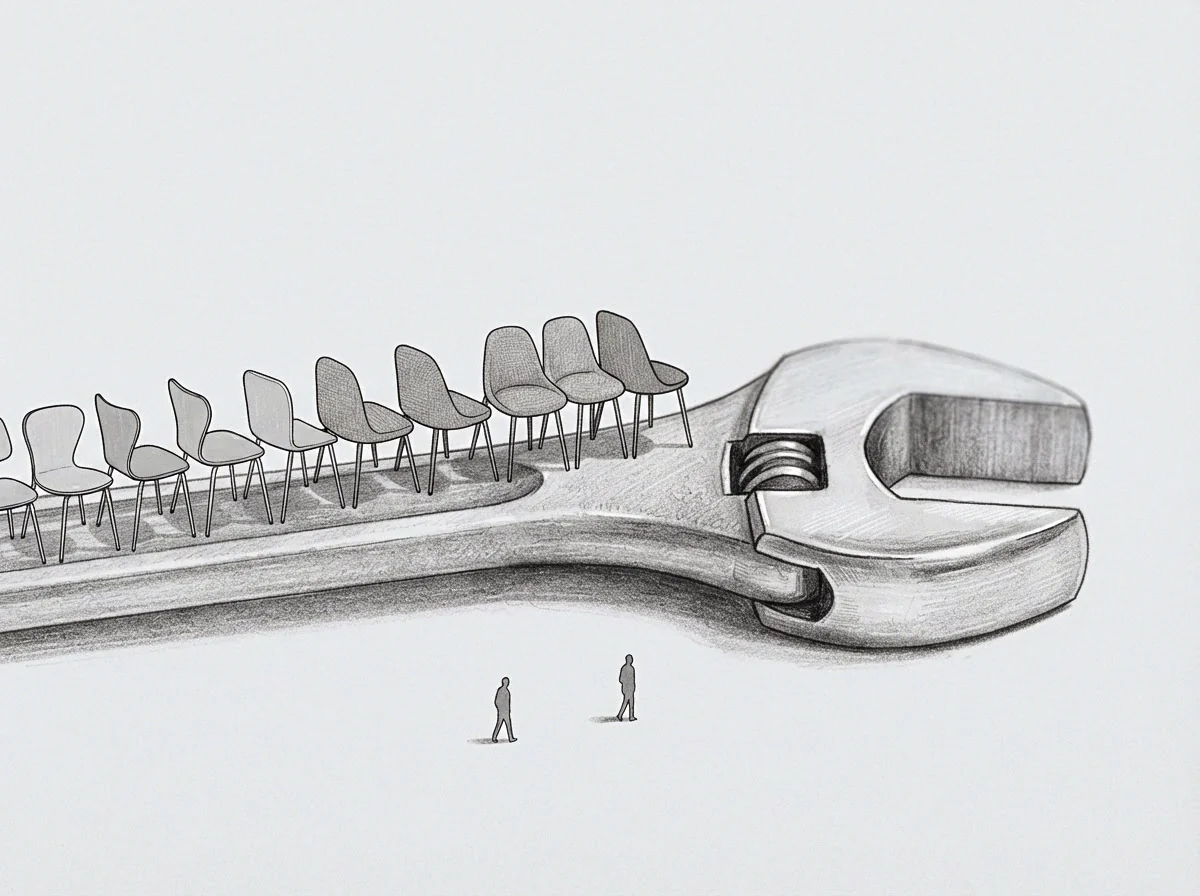
Owner operator handover transfers procedural execution through phased scaffolding, isolating tacit judgment from explicit rules to ensure enterprise continuity.

Extracting tacit founder decision rules into explicit operational heuristics eliminates key person acquisition discounts by proving institutional autonomy.
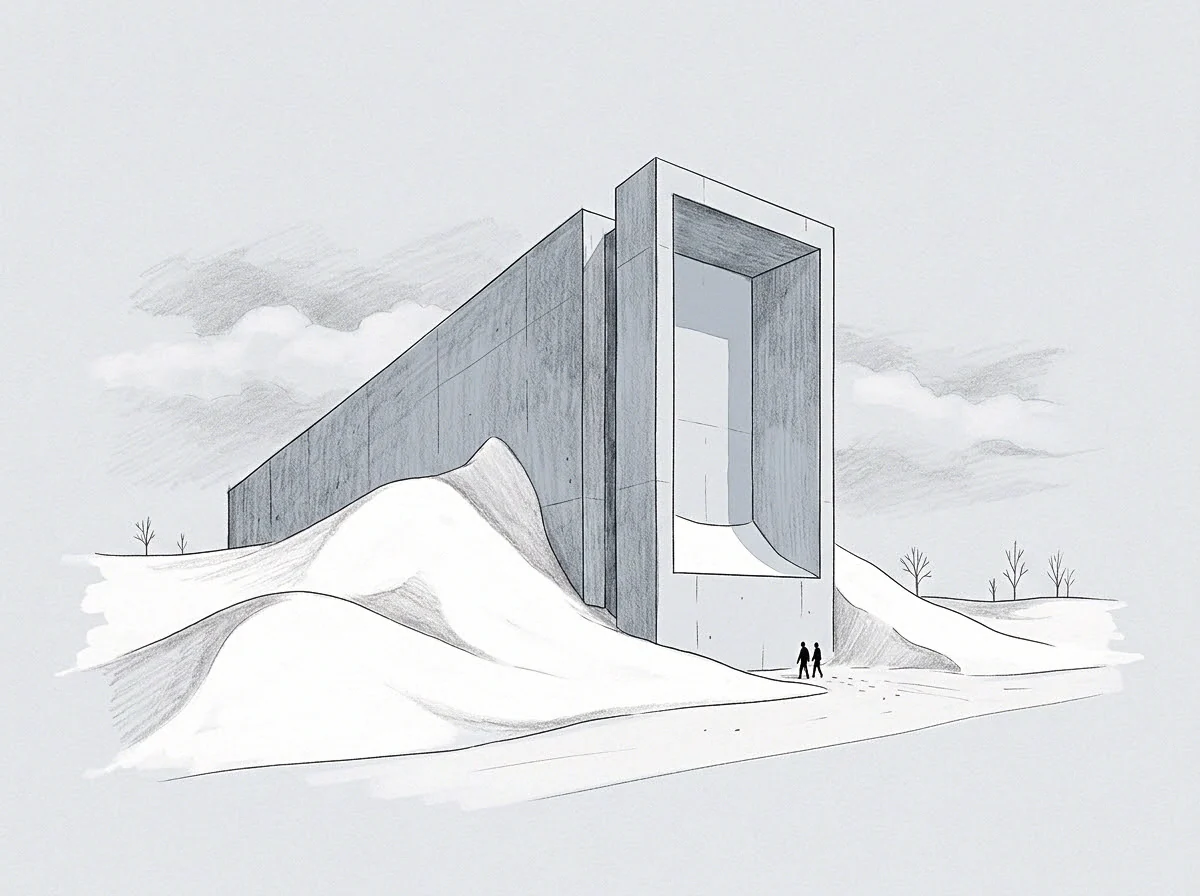
Organizational performance decays post-founder exit when uncodified cognitive routines and implicit sensemaking models exhaust their operational momentum.
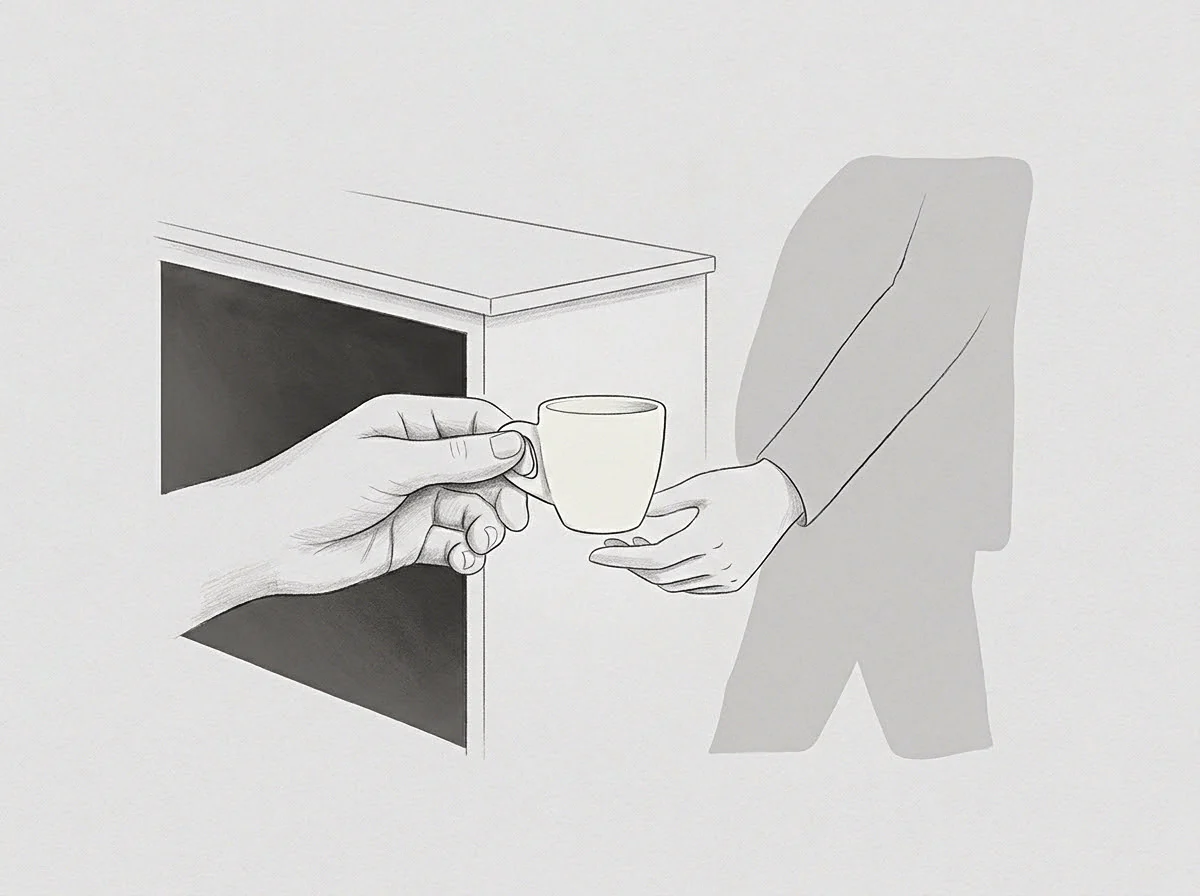
Operational role succession succeeds by unbundling founder responsibilities into distinct functional tracks governed by graduated authority limits.
The terms are written where they belong. Each field holds three desks, and every entry a desk writes raises the terms it uses, each term given a meaning, a mechanism and the places it appears. The record on these pages stays first person and hand made; the fields grow the nomenclature.