
Owner Operator Succession Sequence and Procedural Knowledge Transfer
Owner operator succession transfers procedural capability through structured co-execution and deliberate scaffold removal rather than static documentation.
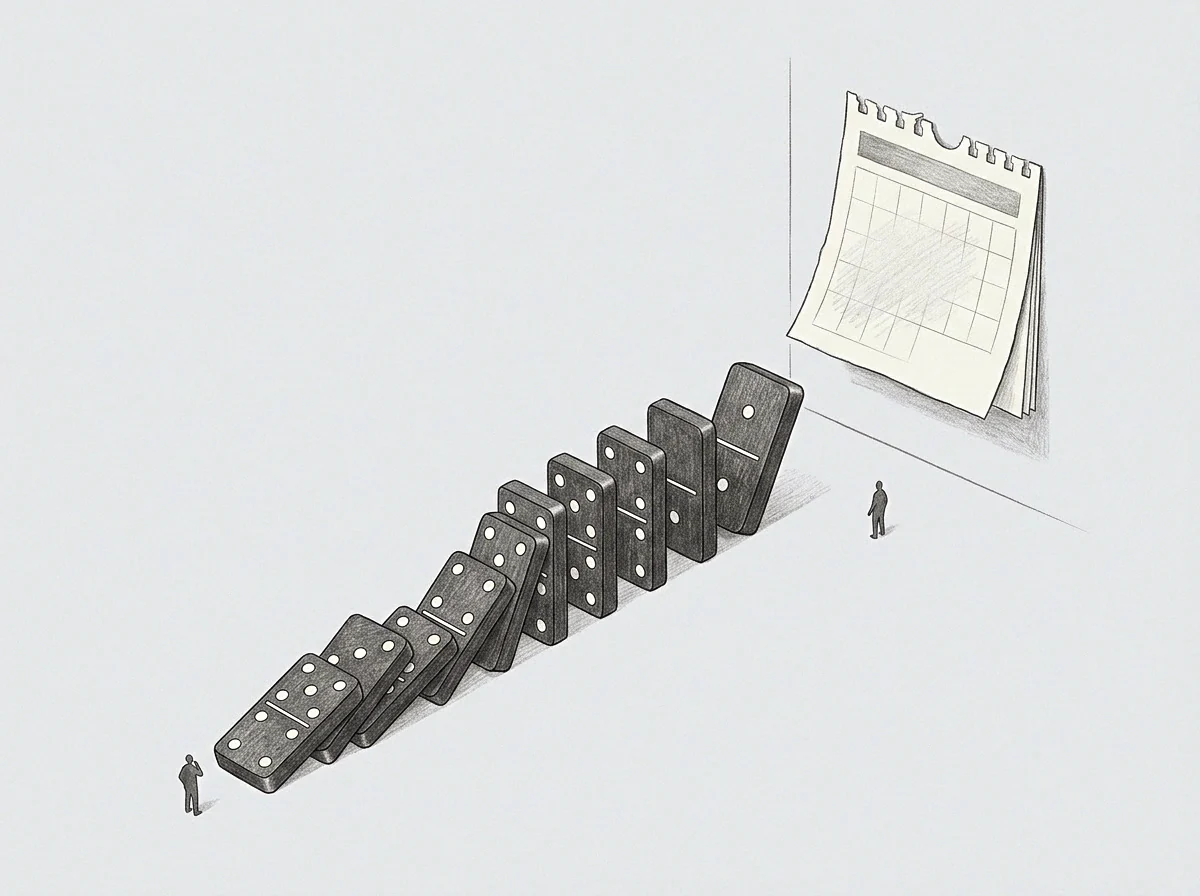
Shelf
An owner sits up until midnight updating an operational binder with screenshots of software dashboards, vendor contact names, and step-by-step instructions for weekly reconciliations. Across the month, the folder swells to hundreds of pages. Every field is labeled, every recurring meeting is scheduled, and every administrative password sits in an encrypted vault.
On Monday, an incoming operator takes the seat, opens the documentation, and tries to run the company. Within four hours, a supplier asks for an emergency credit extension, a key client hints at renegotiating payment terms, and a machine on the shop floor starts vibrating out of rhythm. The documentation explains how to log invoices, record client contacts, and book equipment inspections.
It contains nothing about diagnosing the tremor in a supplier’s voice, weighing client retention against margin erosion, or adjusting motor torque by ear. The owner built the machine; the binder holds static steps.
This gap marks the difference between explicit codification and tacit knowledge transfer. Written records can capture operational sequences—button sequences, file naming conventions, billing schedules—but they miss the unwritten rules that tell an operator when to throw those procedures out. After a decade at the helm, an owner’s operational knowledge turns into muscle memory.
Cognitive researcher Gary Klein described this as recognition-primed decision making: experienced operators evaluate a crisis by running rapid mental simulations grounded in years of subtle cues, not by sitting down to run a comparative analysis. Handing off that judgment through a procedural manual treats situational intuition like a clerical checklist.
A technical manual records mechanical actions while omitting the perceptual cues that show when to alter them.
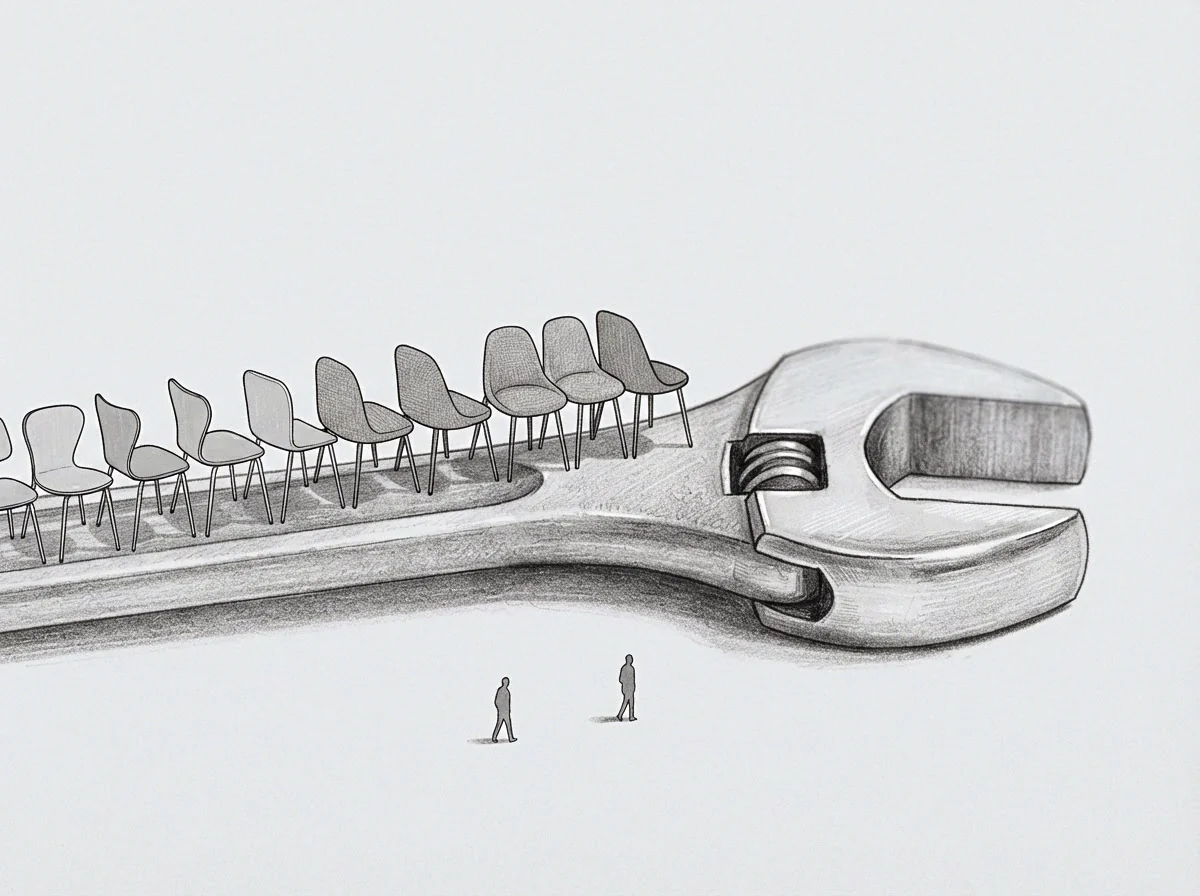
Documentation Capture And Operational Fidelity
The first phase of succession usually relies on heavy recording. The departing owner writes down daily routines, builds spreadsheets of recurring duties, and compiles directories of professional contacts. This codification sets a functional floor for routine operations.
With these records, a successor can execute predictable tasks without constantly interrupting the former owner. Payroll clears, inventory reorders trigger on schedule, and monthly reports reach the bank. As long as conditions remain stable, the operational baseline holds.
Predictable environments rarely survive the first few weeks of a leadership change. The moment customer volume spikes unexpectedly or a supply chain stalls, explicit manuals reach their limit. The successor follows the established steps, but the results no longer match past performance.
Instructions can dictate what to do, but they cannot supply the judgment needed to tell whether the underlying conditions have changed. Documentation is just a record of past actions; real operational stability relies on internal judgment that adapts as new problems surface.

The Boundaries Of Explicit Codification
Procedural manuals begin aging the moment they are written. Operational routines constantly adapt to shifting market conditions, vendor relationships, and workforce habits. Departing owners tweak their daily choices without updating the binder, creating a quiet gap between official procedure and real execution.
Michael Polanyi captured this reality when he noted that people know more than they can tell. The hard-won judgment that actually drives a business resists basic documentation.
When a company relies on static binders instead of a structured succession process, operational breakdowns ripple through mid-level management. Staff accustomed to the owner’s quick, intuitive decisions end up waiting on a successor who is stuck cross-referencing a manual. Questions stall, customer issues drag out, and friction spreads across departments.
The business wastes energy deciphering incomplete instructions while revenue drops under slow decision cycles.
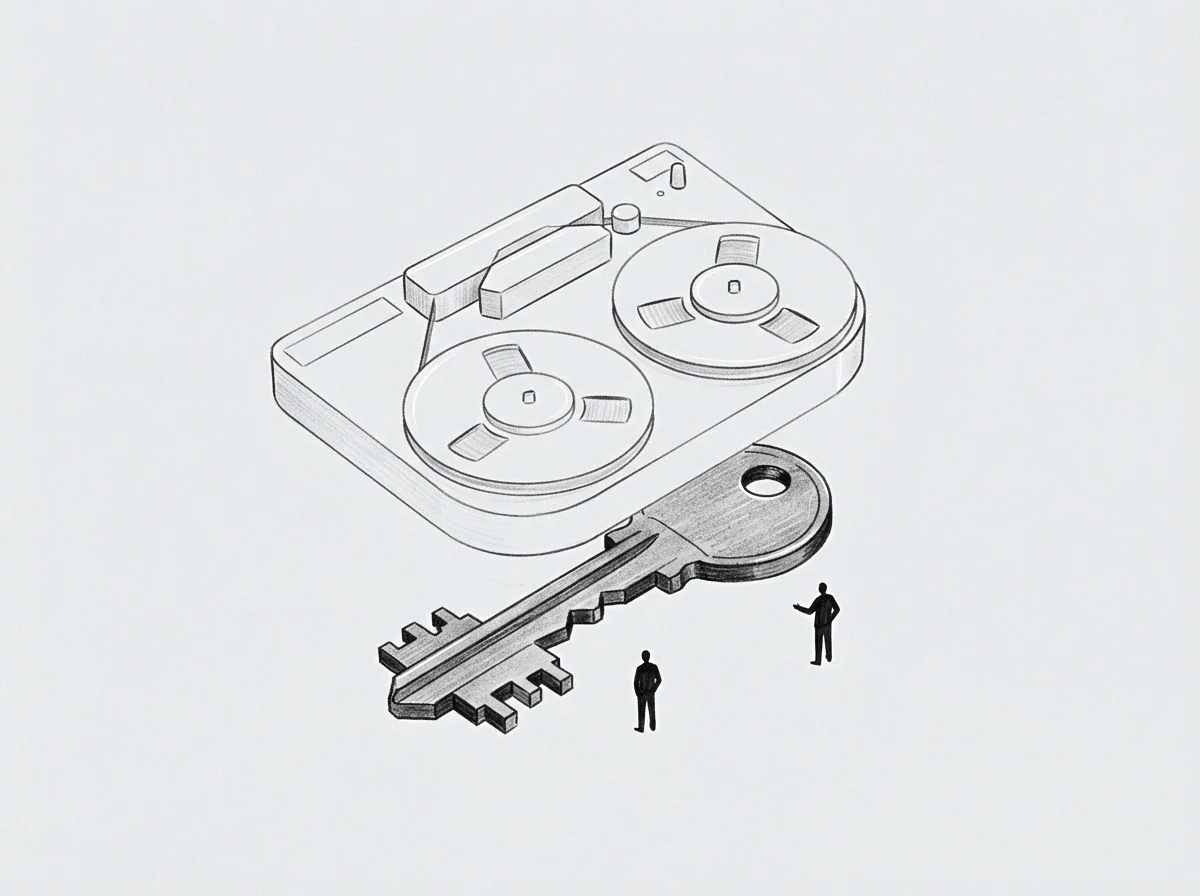
Span
Bridging this gap requires an intentional overlap where the outgoing owner and incoming successor run operations together. Developmental psychologist Lev Vygotsky introduced the concept of the zone of proximal development to describe the space between what someone can do alone and what they can accomplish with expert guidance. In succession, this is the environment where a successor tackles unfamiliar decisions while the former owner offers real-time calibration.
That transfer happens through shared labor, not passive observation.
Shadowing alone fails because internal reasoning remains hidden. If a successor simply sits in the room while the owner renegotiates a deal, they hear the dialogue without understanding the thinking behind it. The owner reads the supplier’s stance, weighs years of built-up goodwill, and chooses a compromise without explaining how.
Effective transfer requires active cognitive apprenticeship—a framework where the expert explains their thinking out loud during live events. The departing operator explains why they offered a specific trade-off, which subtle risks they ignored, and how timing influenced the pitch.
Operational capability transfers through shared execution under live commercial pressure, not detached observation.
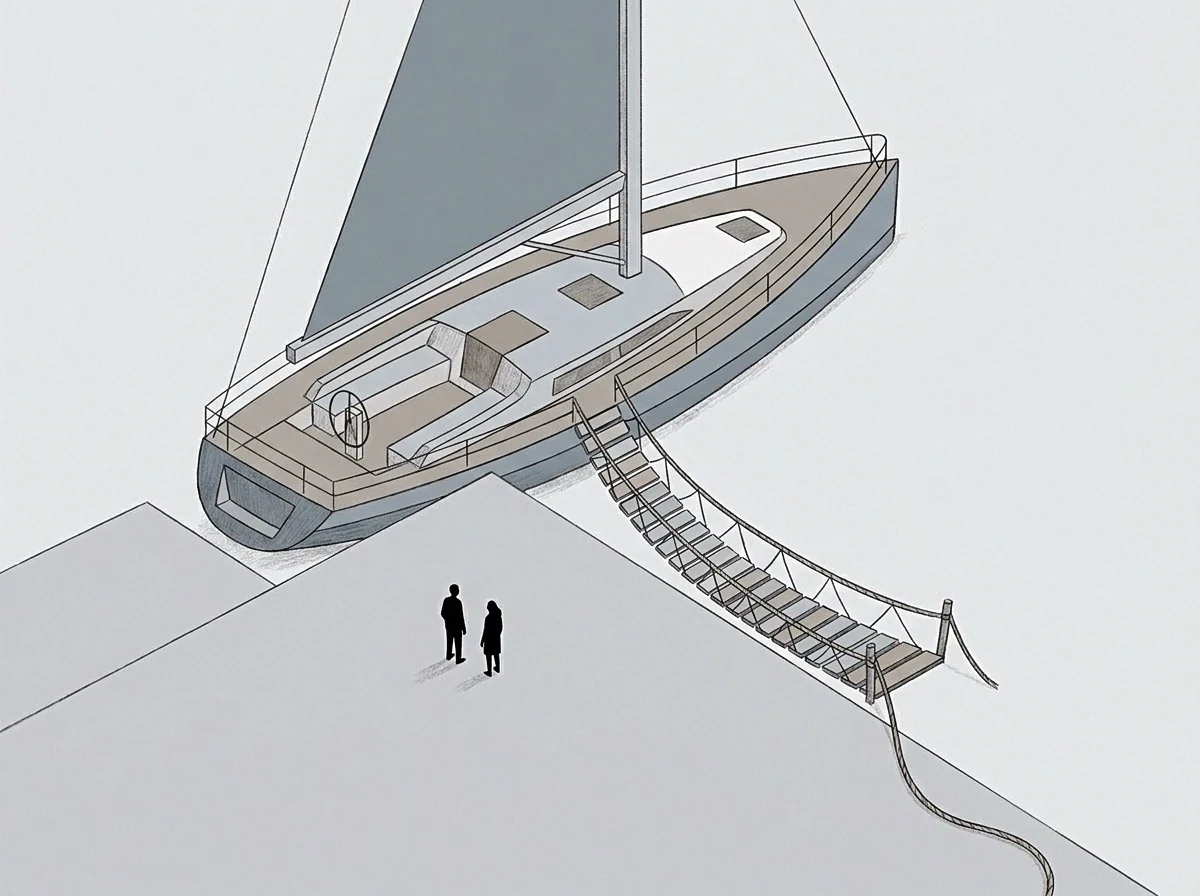
What Remains Bound To The Operator?
Some capabilities resist transfer even with the best transition plan. Organizational behavior separates transferable procedures from non-transferable relationships. While financial modeling, software management, and fulfillment workflows can be taught, an owner’s personal network of trust stays tied to their identity.
A successor inherits the contact list, but twenty years of built-up reputation stays with the founder. The incoming leader has to build their own credibility from scratch.
Operational taste presents a similar boundary. Built over thousands of small failures, taste is the internal standard that tells an owner whether a deliverable is right long before performance metrics report on it. A successor comes in with different biases and standards.
The departing owner cannot simply mandate their own intuition; the new leader builds their own baseline over time through client feedback and daily trial and error.

Scaffold Architecture Across Operational Cycles
To transfer judgment without paralyzing the business, the transition relies on structured instructional scaffolding. The departing owner sets up guardrails around the successor, absorbing existential risks while granting broader operational control. The transition unfolds across three distinct phases:
- Co-Execution Alignment where both leaders work through every core decision together, the owner talking through their judgment while the successor pushes on implicit trade-offs. The pace feels slow and takes significant owner energy.
- Autonomous Deliberation With Veto Protection where the successor makes and executes operational calls on their own, while the outgoing owner reviews decisions after the fact and holds veto power over catastrophic errors.
- Observer Availability where the successor takes over full operational control and the outgoing owner shifts to off-site support, answering questions without stepping in unprompted.
Bypassing these stages creates immediate operational shock. If an owner moves straight from full control to total exit, the incoming leader faces complex demands without calibrated judgment. The successor either freezes in ambiguous moments or makes aggressive commitments that unsettle customers.
Operational drift starts right here. Staff spot the hesitation, bypass the successor, and quietly reach out to the former owner for decisions. Authority fractures, leaving the company unable to run itself.
This breakdown shows up clearly in daily management: the binder lists every key account, yet no one on staff will sign an order confirmation until the founder nods from the back office.
Grip
The middle phase of succession is the grip stage, where the successor holds the executive title while operational mechanics stay tied to the founder. This creates a vulnerable window. The successor signs checks, leads executive reviews, and holds formal authority, but the underlying machinery still reflects the founder’s habits.
Every vendor agreement, manufacturing tweak, and pricing tier remains built around how the previous owner operated. The successor gets caught between administrative duty and operational resistance.
How judgment develops during this phase determines whether the transition holds or collapses. The successor has to move from relying on borrowed intuition to building their own operating logic. That shift requires the company to handle temporary performance bumps while the new rhythm takes hold.
If the board or former owner steps in at the first drop in margin, the learning process breaks down. The successor pulls back into defensive compliance, refusing to handle ambiguous problems without sign-off from the founder.
The Friction Of Transitional Authority
During the grip stage, company governance shifts from personal intuition to formal systems. The departing owner managed trade-offs through direct intervention, relying on decades of memory to handle internal friction. A successor cannot rely on memories they do not have.
The new leader needs clear operational metrics, formal approval paths, and visible feedback loops. Establishing these structures often creates friction with long-tenured staff, who see systematic processes as unnecessary bureaucracy.
Veteran staff often view new procedures as a sign of distrust. Under the founder, agreements happened over quick verbal chats; the successor introduces intake forms, checklists, and weekly review meetings. While these systems protect the business from relying on a single person, they demand real effort up front.
The incoming leader has to hold the line on structural discipline despite nostalgic pushes to return to the founder’s informal ways.
Diagnostic Calibration During Active Execution
Knowing whether a successor has achieved real operational independence means testing performance under pressure rather than during calm periods. Smooth months hide underlying dependencies. A business can look fully transitioned during a quiet quarter, only for a single supply disruption to reveal total reliance on the former owner.
Measuring progress requires tracking clear operational indicators that show whether the successor is making independent calls.
| Evaluation Metric | Assisted Governance Phase | Autonomous Governance Phase |
|---|---|---|
| Primary Decision Locus | Bilateral deliberation between owner and successor | Unilateral execution by successor with executive team |
| Exception Handling | Escalation to owner for historical context | Systematic resolution through formalized operational protocols |
| Diagnostic Latency | Delayed pending owner availability and review | Immediate intervention based on direct operational metrics |
| Heuristic Feedback Loop | Owner audits successor actions against past behavior | Successor evaluates business outcomes against current targets |
| Error Tolerance Buffer | Owner catches operational errors before execution | Organization absorbs minor variances to build autonomous resilience |
Progress through these phases is rarely even. A successor might manage finance and warehouse operations completely on their own while still relying on the former owner for major sales deals. Forcing a rigid deadline for full independence risks causing failures in areas that aren’t ready.
A company needs clear operational metrics to tell real leadership capability apart from surface-level compliance.

Floor
A strong transition sets an operational floor below which performance cannot fall, no matter who is in charge. That baseline forms only when the outgoing owner’s safety nets are deliberately removed. Organizational theorist Chris Argyris showed how founders hinder learning when they step in to solve every operational crisis, creating widespread institutional dependence.
Real transfer happens only when the former leader stops rescuing the business, forcing the successor and leadership team to handle emerging breakdowns themselves.
Removing guardrails requires a steady pace to avoid shock. In maritime piloting, an apprentice navigates tricky harbor channels under a senior master’s quiet supervision before earning a license to command commercial vessels. The master watches without taking the helm, allowing the boat to drift slightly off course so the apprentice learns to spot the subtle signs of shallow water.
If the master grabs the wheel at every crosscurrent, the apprentice never develops the instincts needed during an emergency. Departing owners have to show that same restraint during the final phase of a handover.
A governance boundary holds firm only when the predecessor refuses to resolve operational crises behind closed doors.

Staged Removal Of Executive Support
The removal of support must be clear to staff, vendors, and clients. Vague authority invites backchannel appeals, where employees turn to the former owner to override the successor’s decisions. Stopping this behavior requires a clear sequence with firm boundaries at each step:
- Channel Consolidation revokes the former owner’s administrative logins, corporate email aliases, and banking permissions. Inbound operations messages route entirely to the successor, cutting off backchannel contact from vendors.
- Emergency Threshold Calibration sets a clear financial and strategic boundary below which the successor has complete, unreviewable authority. The former owner is barred from stepping into disputes below this threshold.
- Physical Site Removal ends the former owner’s daily presence at company facilities, stopping casual check-ins and hallway comments that erode the successor’s standing.
- Asynchronous Advisory Windows shifts all communication between successor and predecessor to scheduled weekly briefs. This forces the successor to ask specific, targeted questions instead of relying on constant verbal reassurance.
Executing these steps takes discipline from both sides. If a client calls the former owner directly about a billing dispute, the predecessor must forward the message without commentary and decline to get involved. Every unprompted intervention resets the transition timeline, undermining the successor’s authority and telling the company that real power still sits with the person, not the system.
Capacity Arithmetic Under Autonomous Load
Running a company without executive safety nets takes an immediate toll on capacity. A founder manages dozens of overlapping workflows by memory, spending little mental energy on daily coordination. A successor working through those same tasks using explicit processes uses far more cognitive bandwidth.
A simple operational review that took the founder twenty minutes can take two hours of the successor’s morning as they check contracts, review past data, and analyze metrics.
The company has to absorb this temporary slowdown without panicking. In the first months of full independence, executive overhead rises and decision speed slows. Expecting a successor to match the founder’s pace while learning new systems is a design flaw.
Stability returns as deliberate decisions turn into instinct over time. The role demands fast answers, but true confidence comes from uninterrupted time in the seat, not theoretical study.
Exit
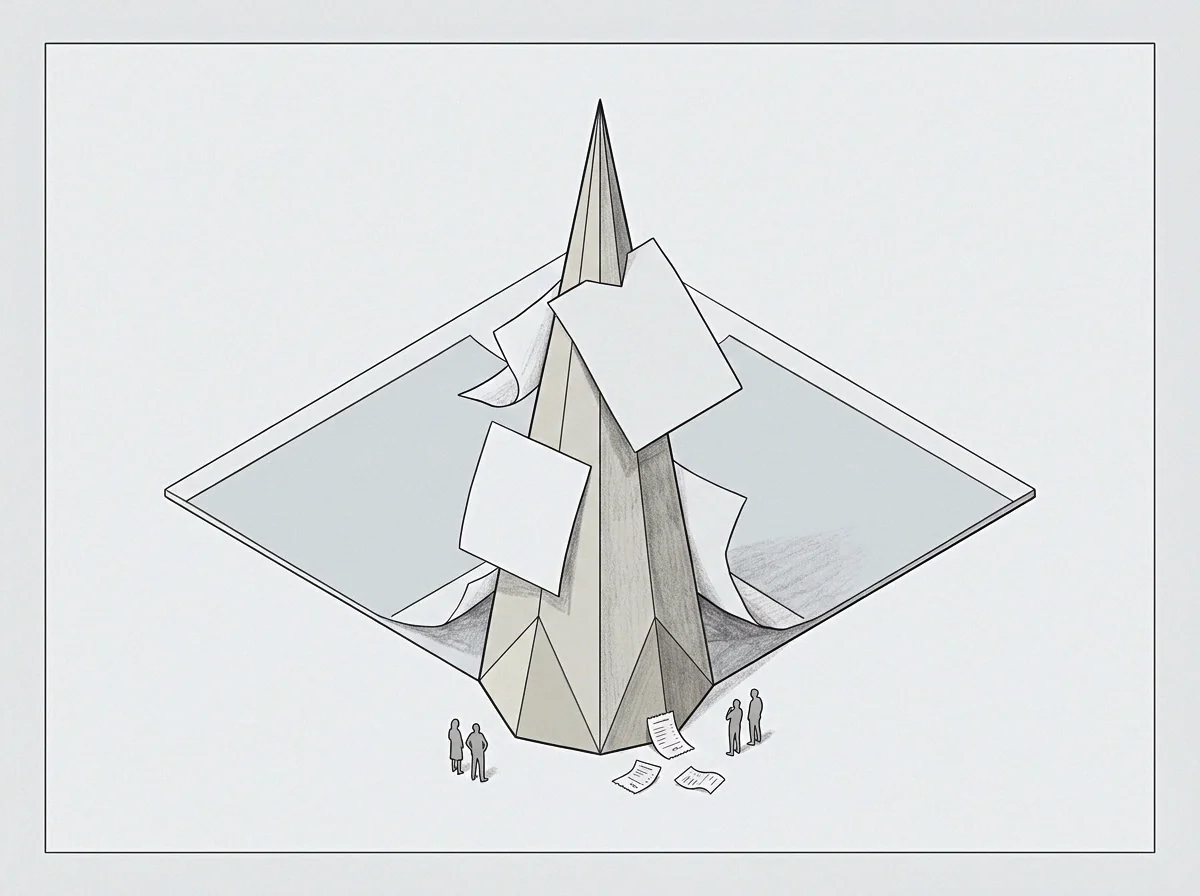
The final phase of succession is complete operational severance. Leaving the exit date vague at the start guarantees conflict down the line. Without a clear boundary, the former owner hangs around as an ambiguous figurehead, eroding the successor’s authority and confusing management.
A structured transition sets a firm end date when all advisory arrangements end, keys are handed over, and the former owner steps away for good.
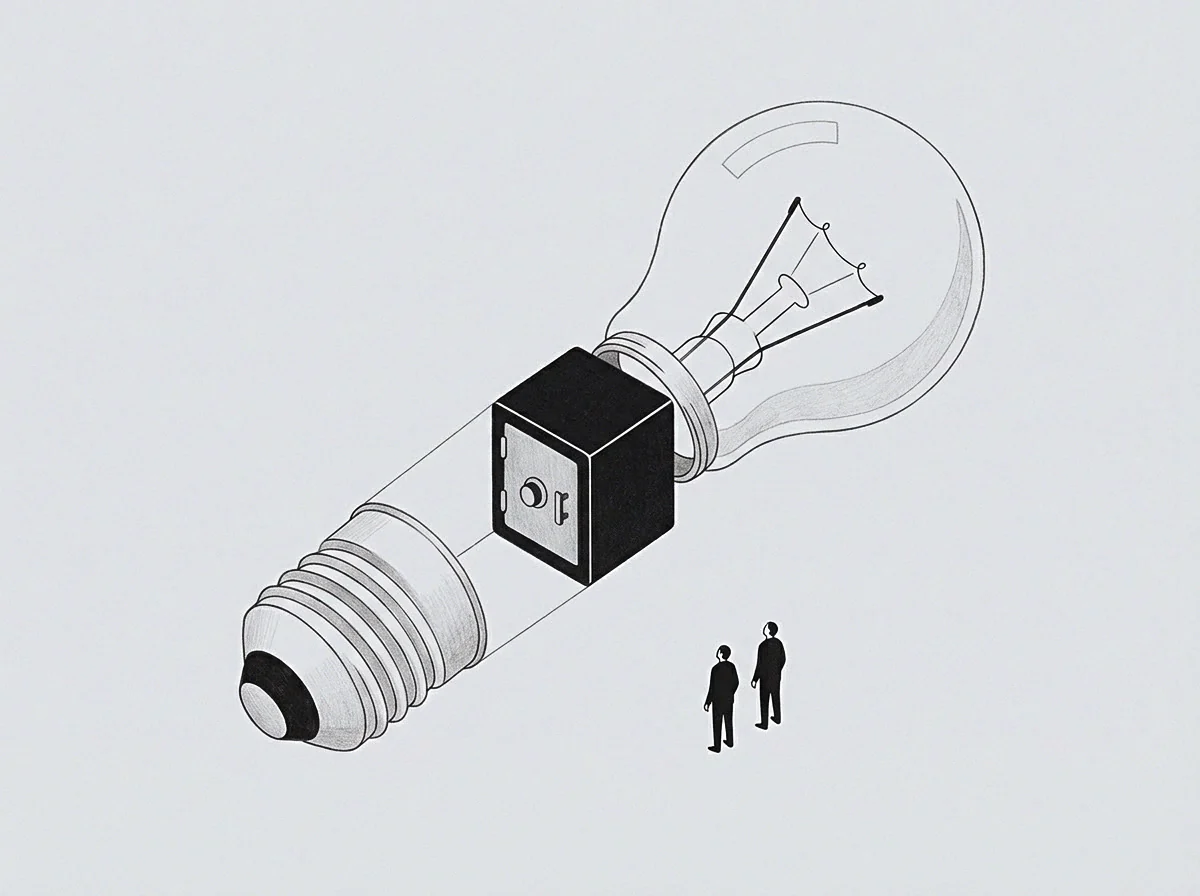
This final step requires accepting the reality of residual operational loss. No handover transfers one hundred percent of a founder’s knowledge; some portion leaves with them. Specific vendor relationships, deep historical context, and personal technical instincts vanish permanently.
Accepting that gap is part of the process. The goal of knowledge transfer is not to clone the founder, but to build a foundation strong enough to thrive after they leave.
Succession succeeds when the enterprise survives the irreversible loss of its founder’s personal intuition.
The Reality Of Residual Operational Loss
Companies that try to preserve every habit of a founder end up stuck. The informal habits that took a business from zero to ten million in revenue frequently become bottlenecks that block growth to fifty million. A founder’s shortcut-heavy style may gain early traction, but it leaves an organization fragile if left uncorrected.
A successor’s reliance on clear metrics and formal processes trades away some initial speed to build long-term scale and stability.
The company that emerges from a structured handover looks fundamentally different from the founder-run business before it. Operations move from a personal vessel driven by one person’s instincts to an organization guided by clear processes, shared leadership, and repeatable execution. The founder built the engine; the successor builds the systems that let it run without the founder on the throttle.
The transition replaces individual presence with structural durability.
Finishing Through Designed Severance
The real test of a succession sequence comes on the first business day after complete severance. The advisory contract expires, retainer payments end, and communication channels go quiet. The successor sits in the office without a safety net.
Crises will surface before noon—billing errors on invoices, equipment calibration issues, key clients demanding concessions. Yet the successor does not pick up the phone to call the founder.
Instead, the new leader relies on the systems built during the handover. The team uses the decision protocols established during co-execution, reviews clear operational metrics, and follows standardized procedures to solve problems. Some choices won’t be perfect, and margins will fluctuate as the successor adjusts to the role.
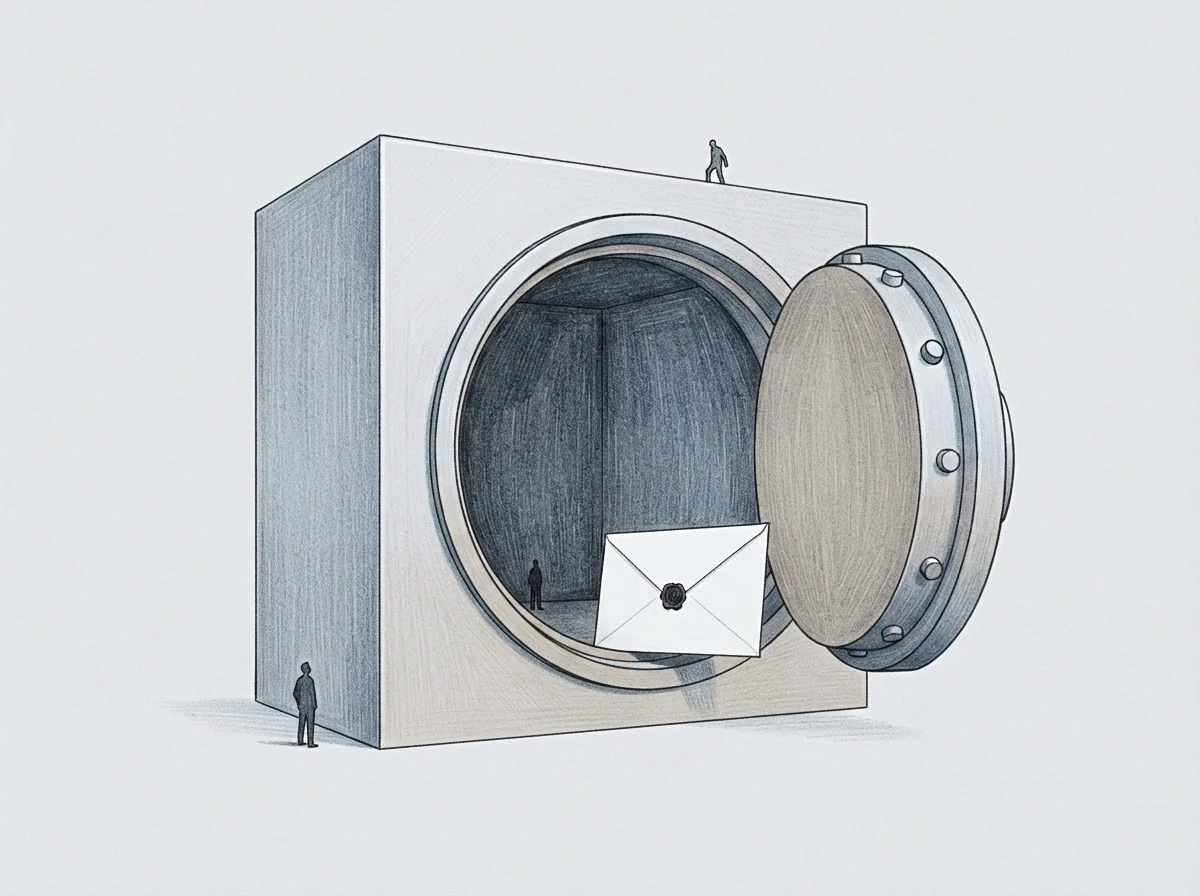
But the company stays upright, solvent, and functioning. The transition did not replicate the founder—it built an organization capable of standing on its own. The final contract clause specifies the exact date all advisory duties end, removing the founder’s operational authority and leaving full executive control in the successor’s hands.