Meaning
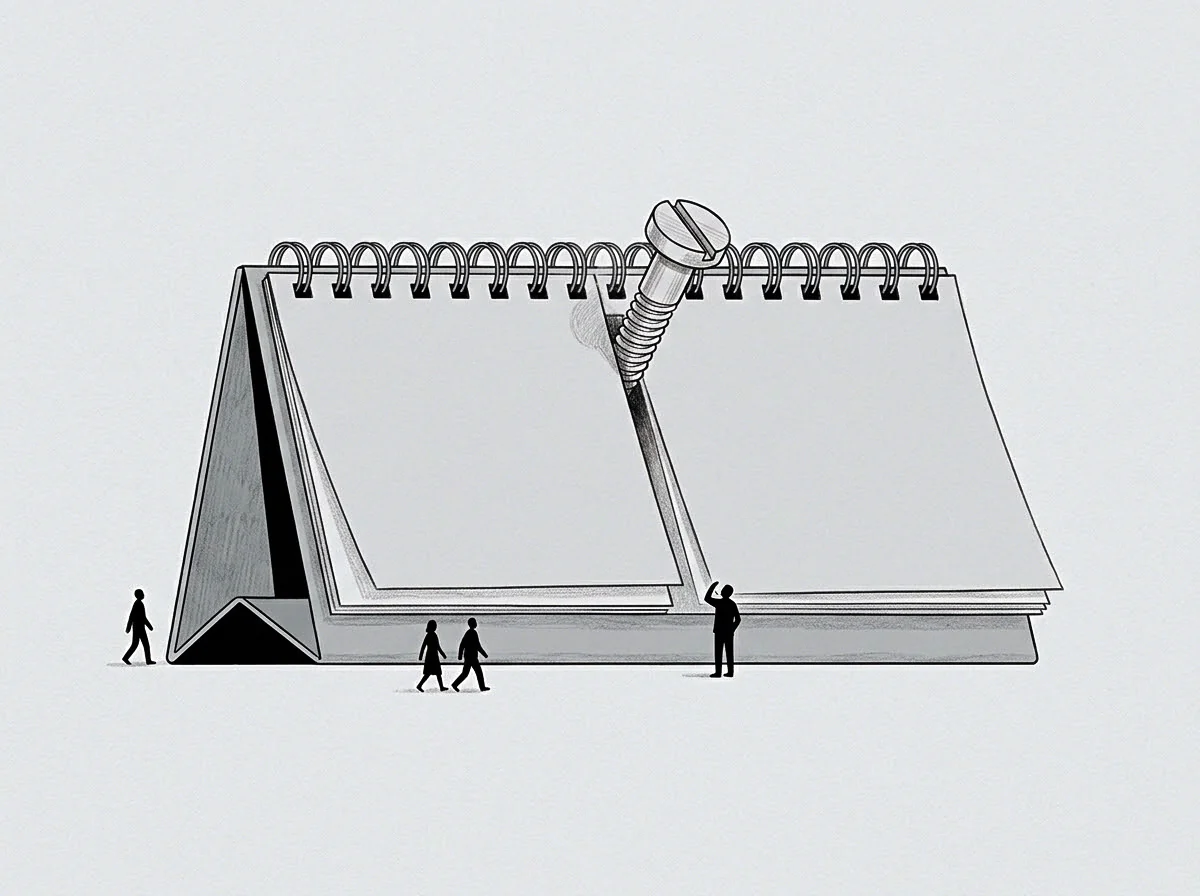
The loss of forward strategic momentum caused by executive preoccupation with immediate, ground-level problem solving reflects an imbalance between managerial execution and company direction. When a founder remains entangled in day-to-day clerical triage, customer disputes, and micro-decisions, tactical drag prevents the execution of long-term commercial goals. The condition occurs across early-stage and growth-stage enterprises where delegation structures lag organizational complexity.
It ceases once operational duties are decoupled from strategic ownership through effective managerial layers.
Execution Trap
Operational familiarity pulls founders into low-leverage problem solving because resolving immediate emergencies yields quick psychological closure. Under the pressure of tactical drag, an executive prioritizes answering routine support tickets or adjusting minor website copy over preparing financing strategies or negotiating commercial partnerships. The immediate operational fire consistently crowds out the silent structural priority.
The business survives the current hour while starving its broader commercial future. Immediate crises dominate executive calendars.
Strategic Starvation
Long-range strategic development requires uninterrupted blocks of executive attention that tactical firefighting routinely destroys. Enduring tactical drag over multiple fiscal quarters leaves an enterprise vulnerable to technological disruption and changing market conditions. The founder fails to cultivate senior leadership, neglects competitive analysis, and postpones intellectual property protections.
An organization tethered to tactical quicksand drifts without structural direction. Market positioning decays as reactive habits take root.
Delegation Protocol
Escaping operational entanglements requires the deliberate design of delegation architecture and escalation pathways. Reducing tactical drag forces the operating founder to document standard operating procedures and empower frontline personnel to make financial decisions without executive clearance. The transition requires accepting short-term errors while subordinate managers master functional duties.
Autonomy takes hold only when founders refuse to re-enter solved tactical domains. Leadership begins where tactical intervention stops.