Meaning
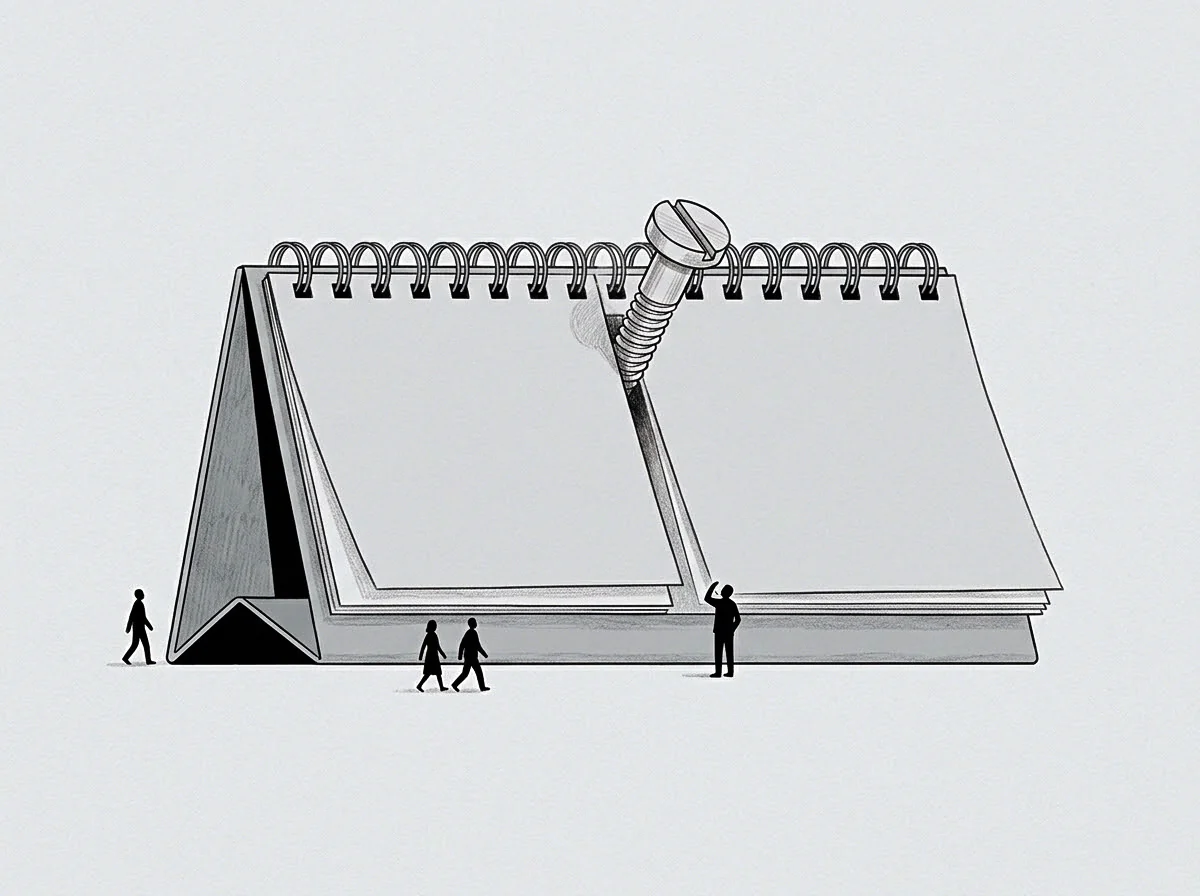
Temporal distance defines the limit of actionable certainty within a business cycle. An operational horizon bounds the window where variables remain stable enough to allow for precise resource allocation. This range varies according to the volatility of the industry and the maturity of the internal infrastructure.
Once tasks move beyond this threshold, forecasting transforms into speculative planning.
Capacity Limit
Managers encounter this constraint when attempting to commit capital to long term initiatives without clear market feedback. Every hour spent planning beyond the operational horizon reduces the accuracy of the resulting projections. Efficiency drops as the margin for error grows with every additional day of lead time.
Leaders lose the ability to correct course when they base their authority on data that has already exceeded its valid window.
Resource Allocation
Coordination of daily workflow requires the constant observation of these boundaries to prevent the misdirection of human energy. Teams often experience friction when expectations for output exceed the actual visibility into future market conditions. Decisions made today regarding staff hiring or inventory procurement rely upon the integrity of this window.
Sound management maintains a clear separation between the activities that fit within this zone and the strategic goals that sit outside it.
Control Boundary
Operational control exists only where the underlying variables remain predictable through consistent observation. External fluctuations disrupt the continuity of processes when the planning duration ignores the natural expiration of reliable information. Organizations that force their activities into a window larger than the reality allows face sudden gaps in capability.
Precision depends on the recognition of the point where current visibility yields to uncertainty.