

Measuring Interruption Transfer Rates Between Operational Incidents And Executive Allocations
Operational interruptions transfer into executive allocations when unmediated alerts and missing delegation thresholds divert strategic hours into triage.
Operational interruptions transfer into executive allocations when unmediated alerts and missing delegation thresholds divert strategic hours into triage.
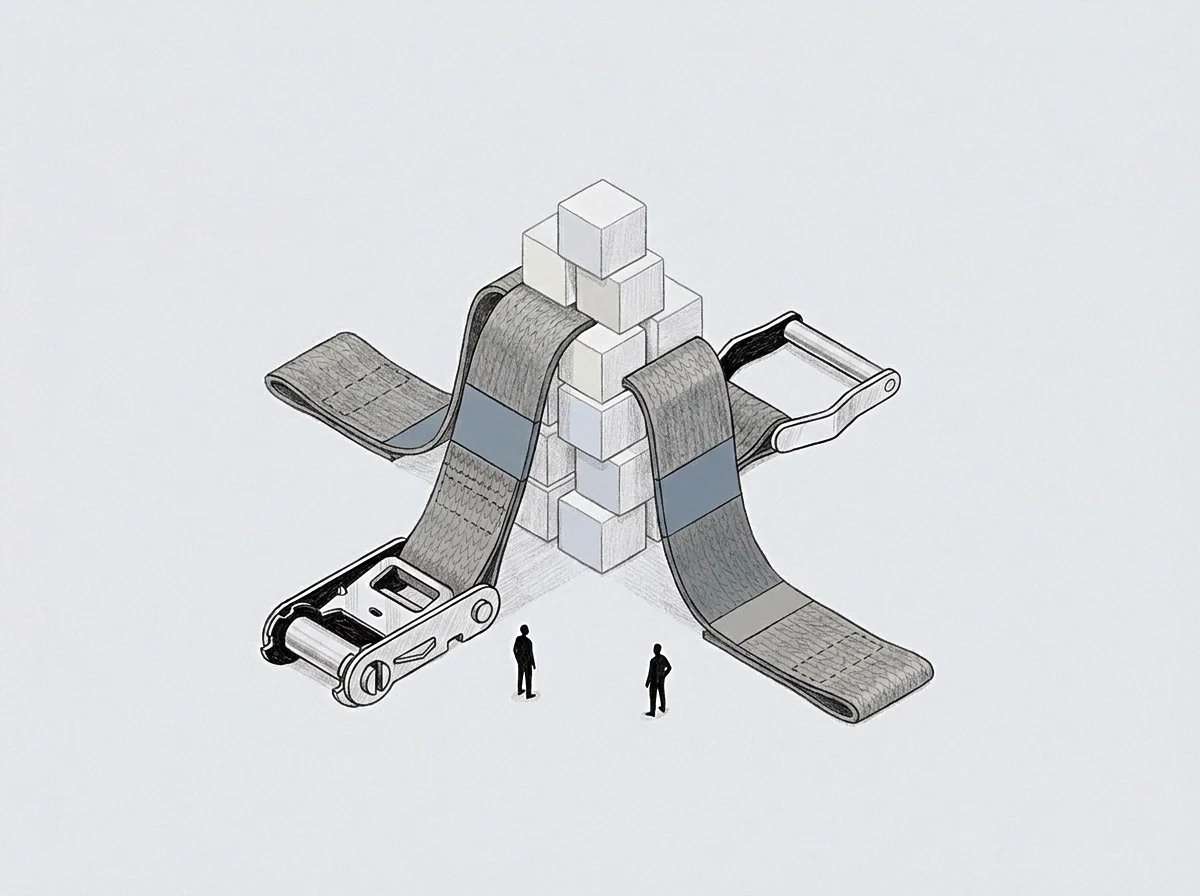
Unhedged context switching between technical tasks and corporate oversight drains working memory and degrades fiduciary stewardship, creating legal vulnerabilities.
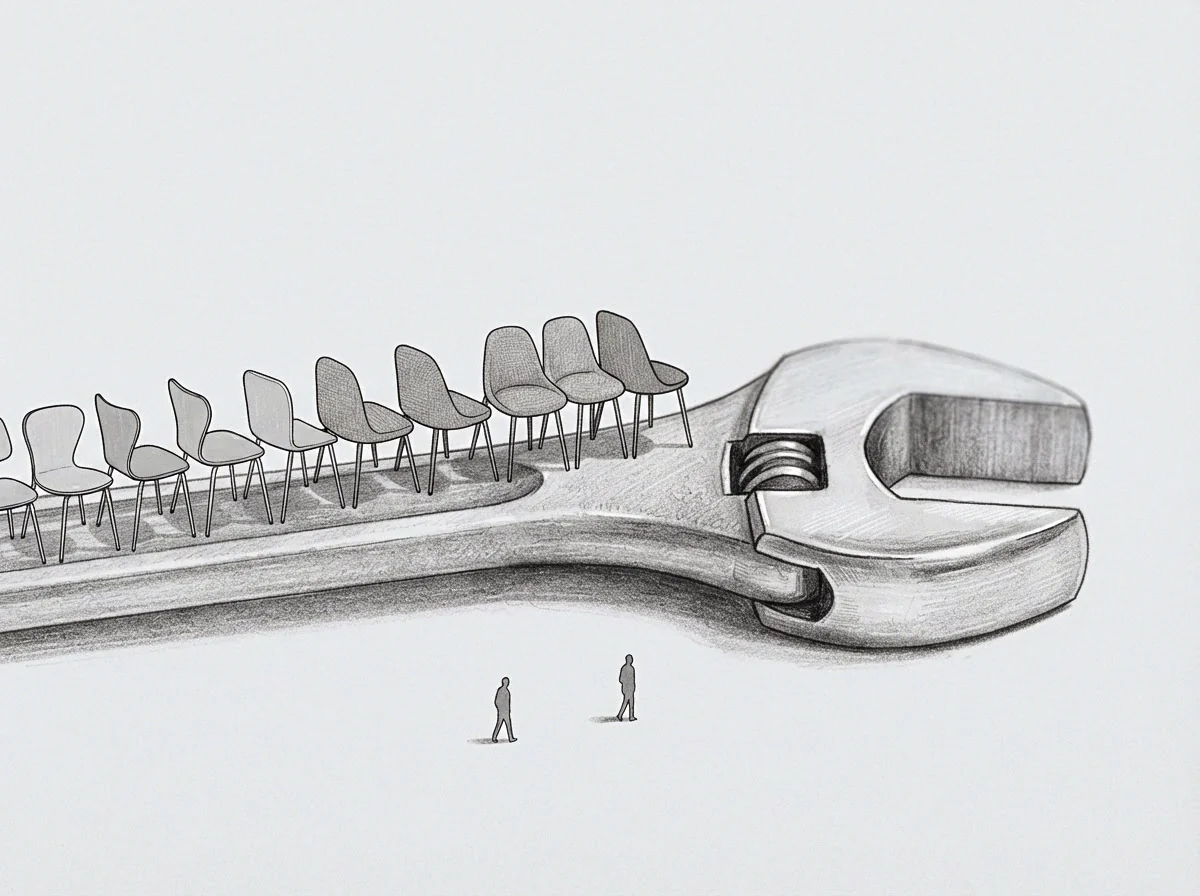
Temporal friction occurs when operational urgency degrades fiduciary oversight capacity, creating switching latency that impairs corporate governance.
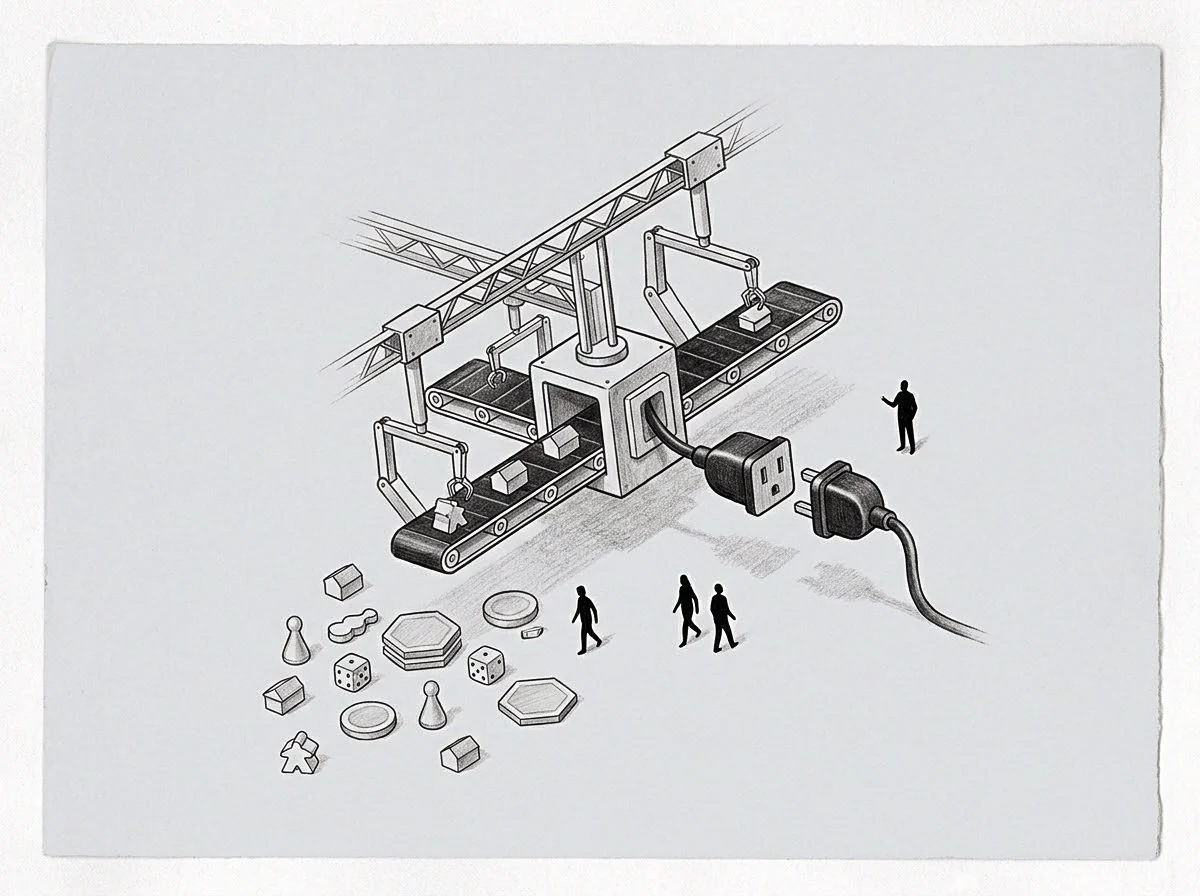
Rapid alternation between tactical execution and capital allocation causes attentional residue that consumes up to twenty percent of daily productive capacity.

Hard intake throttles and explicit triage triggers isolate frontline execution from managerial oversight during peak volume shocks.
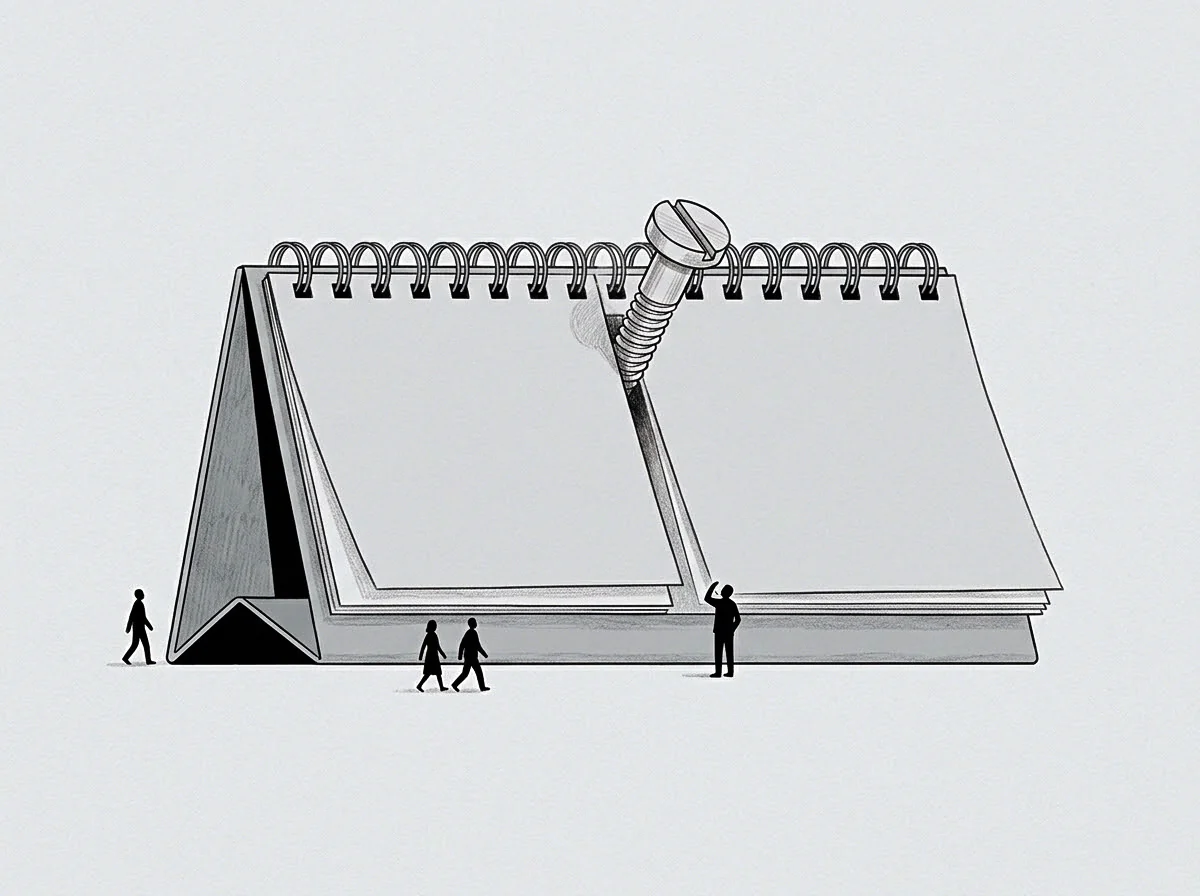
Attentional residue and refractory latency degrade strategic executive output when incompatible operating roles are cycled without structural cognitive buffers.

Dual technical and executive authority forces continuous task switching between deep execution and governance, draining executive capacity and delaying delivery.
Strategic governance degrades when direct production output consumes unreserved weekly calendar blocks, requiring explicit capacity ceilings to protect equity oversight.
The terms are written where they belong. Each field holds three desks, and every entry a desk writes raises the terms it uses, each term given a meaning, a mechanism and the places it appears. The record on these pages stays first person and hand made; the fields grow the nomenclature.