Meaning
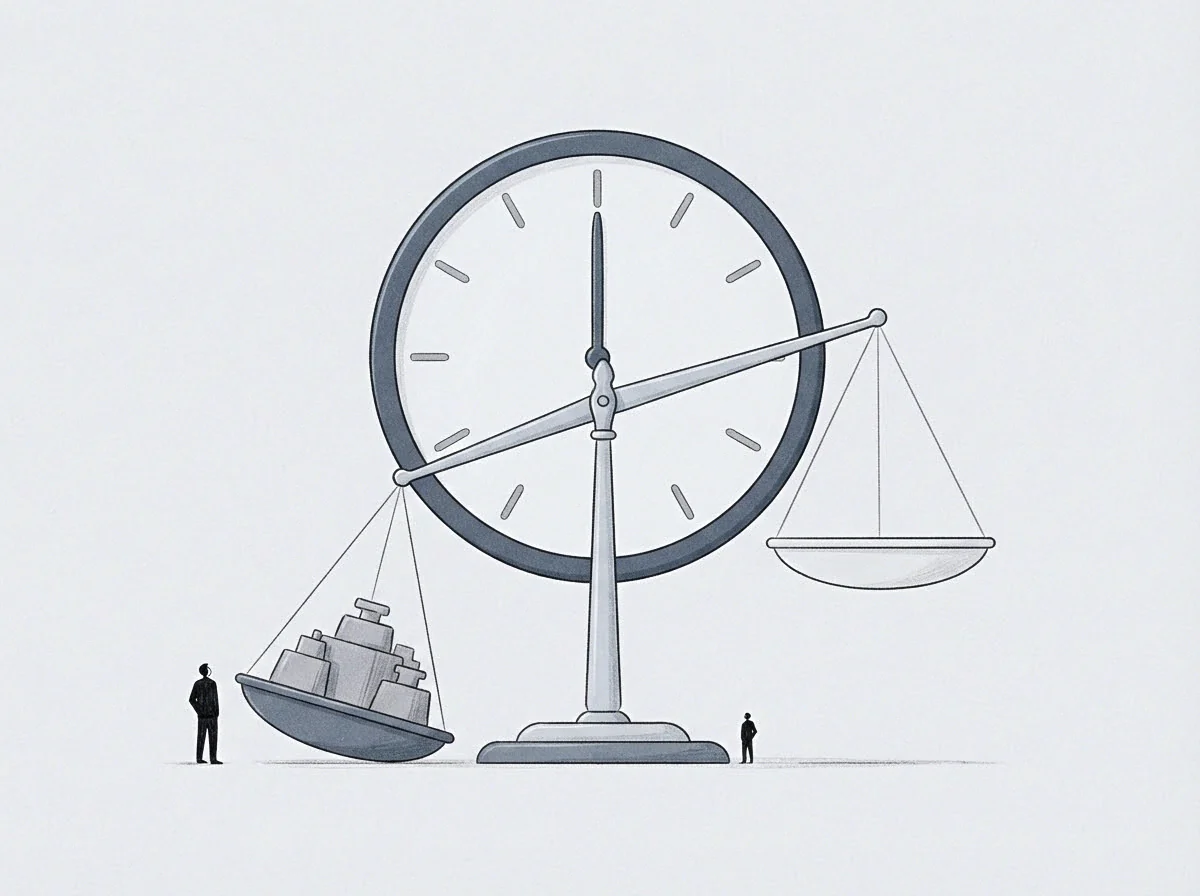
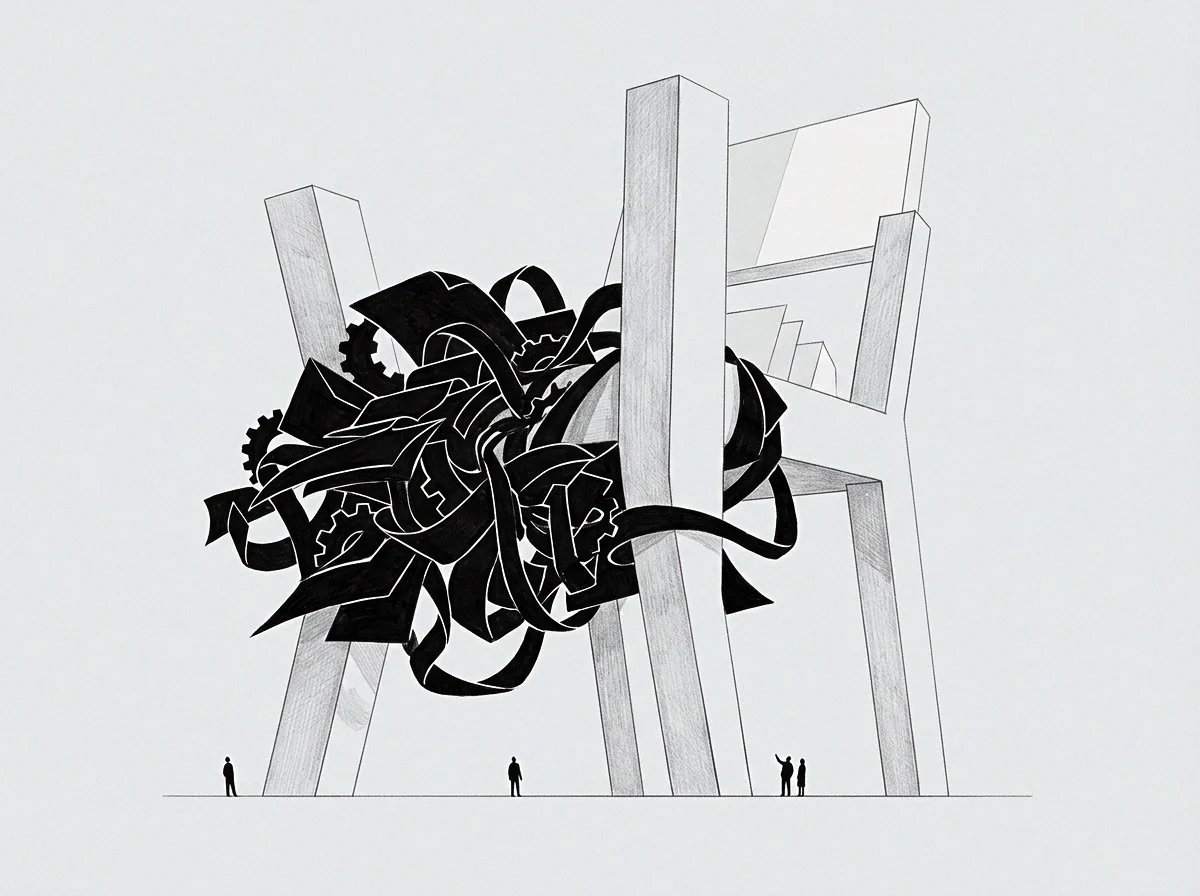
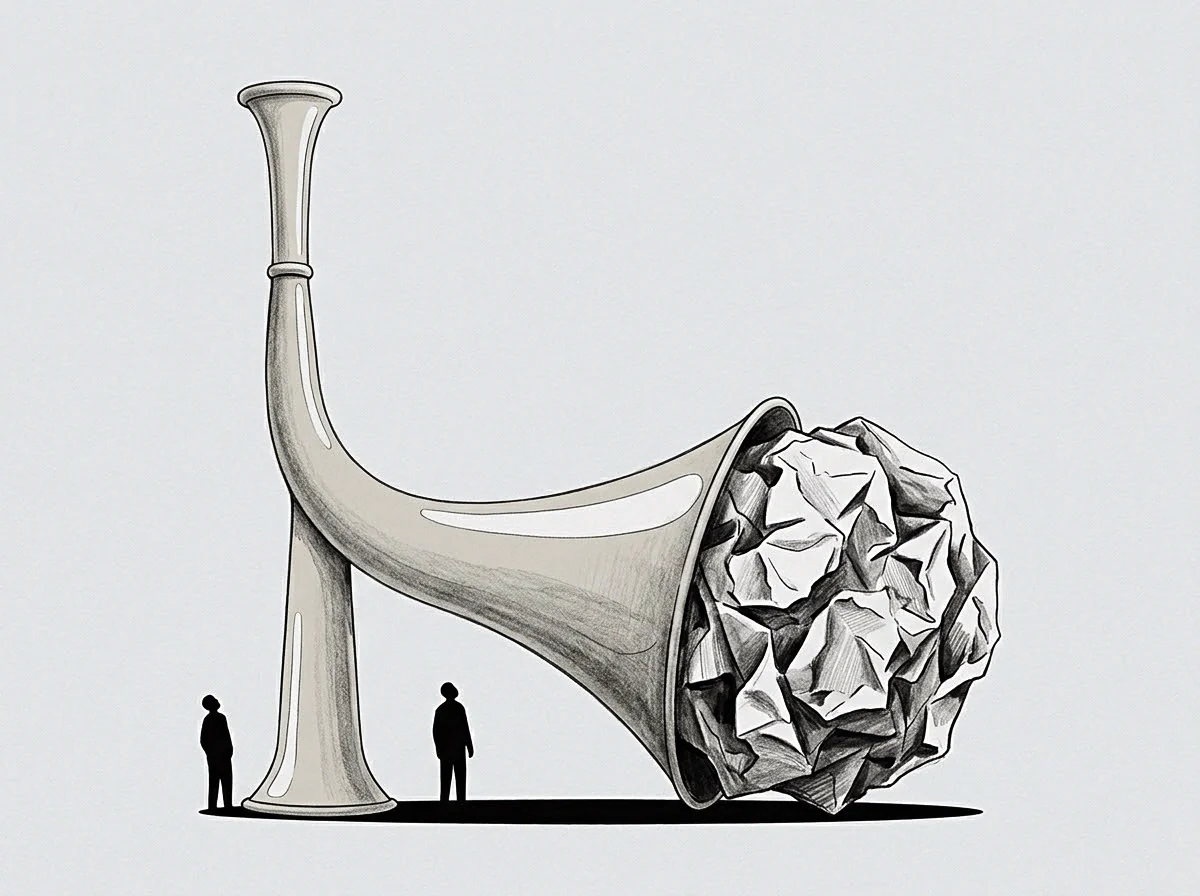
A cognitive persistence phenomenon occurs when executive focus remains partially attached to a prior operational task after transitioning to a new role or responsibility. Modern organizational psychology identifies attention residue as the persistent mental effort devoted to an unfinished primary task while attempting to execute a secondary assignment. Split capacity reduces total working memory available for strategic reasoning across executive seats.
Cognitive output degrades systematically when switching occurs without complete closure.
Switching Cost
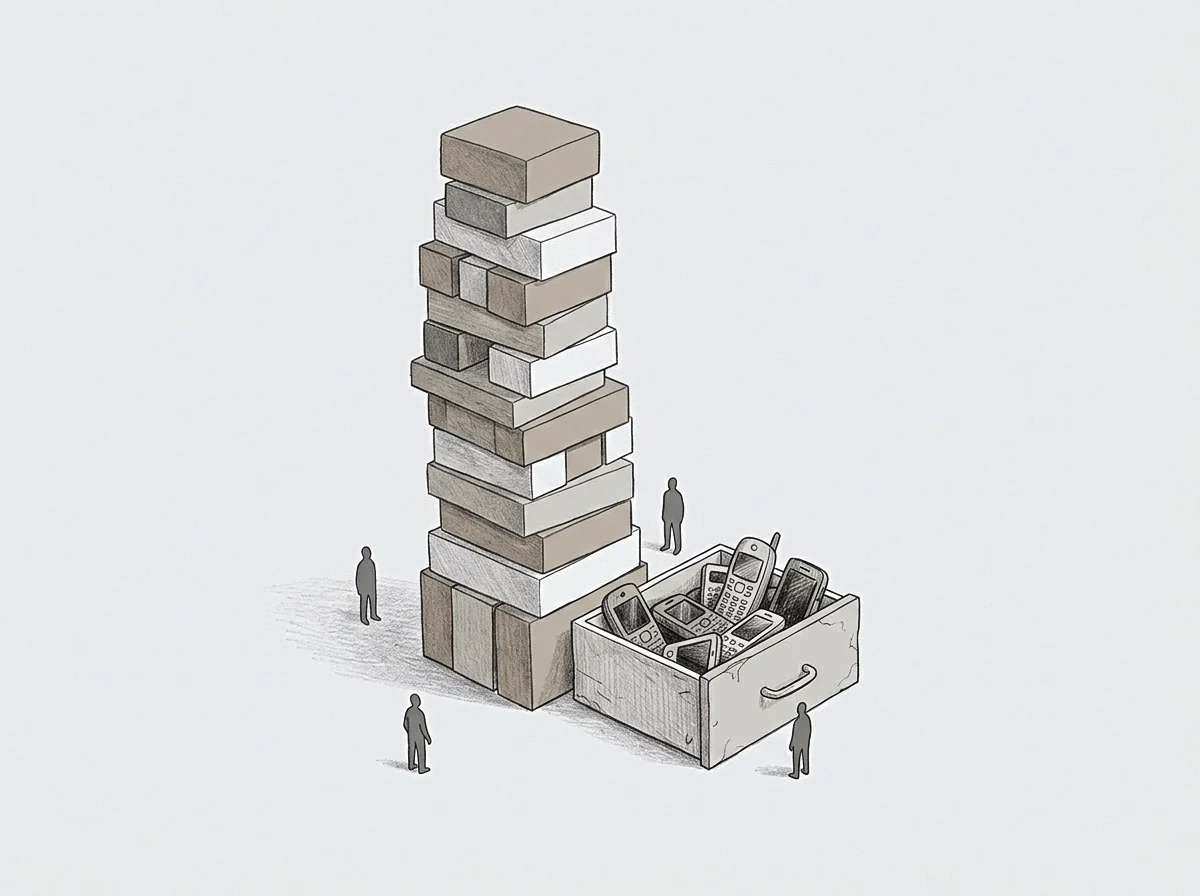
Executive role transitions create distinct operational friction within daily schedules. Moving from technical troubleshooting to board governance forces the mind to hold background processes active for the earlier issue. Consequently, attention residue increases exponentially with the frequency of task switching between operational duties and oversight functions.
High frequency interruptions prevent full cognitive engagement in governance tasks.
Operational Impact
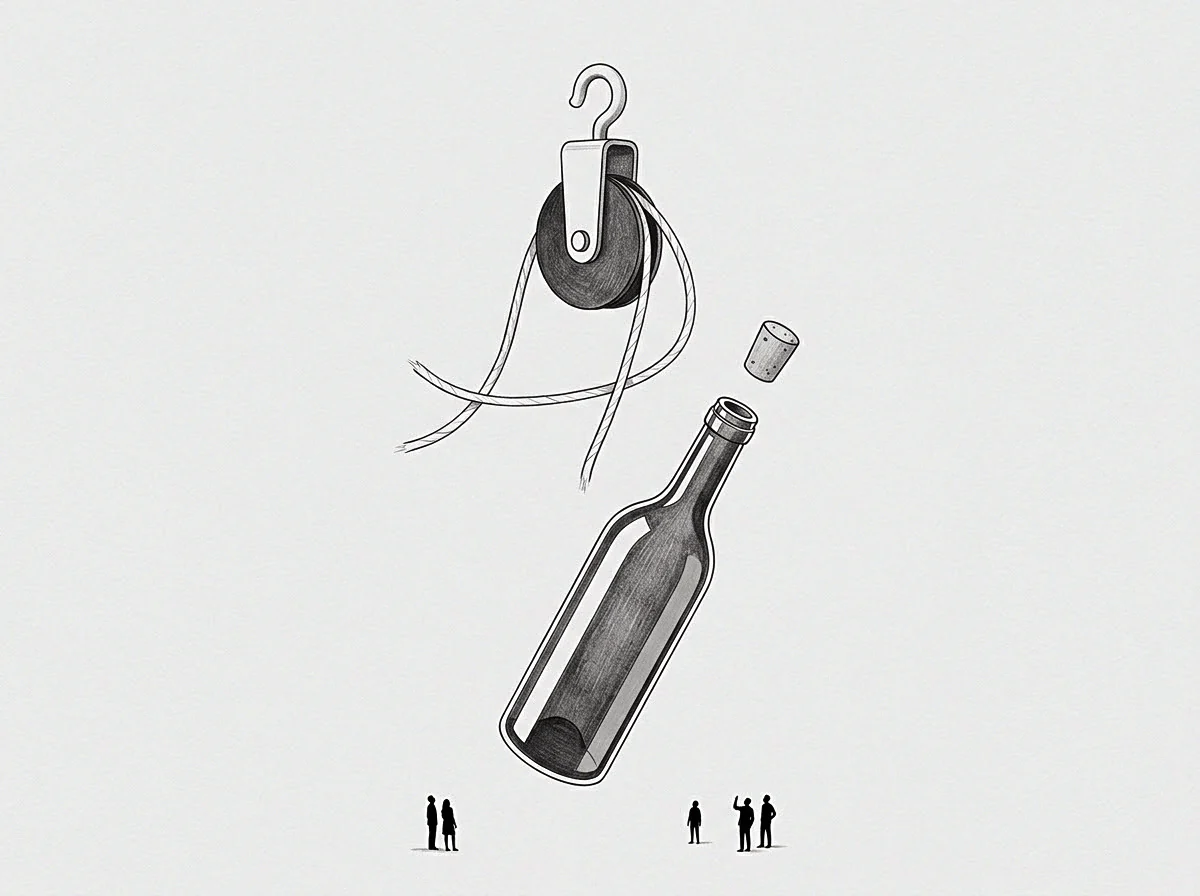
Management decisions executed under fragmented focus exhibit higher error rates and delayed resolution times. When a former operator retains partial responsibility for daily workflows, attention residue drains individual energy reserves while obscuring authority boundaries for incoming management personnel. The organization suffers from slow strategic execution and repeated operational reviews.
Decision quality falls as unresolved lower-level tasks consume executive bandwidth.
Capacity Threshold
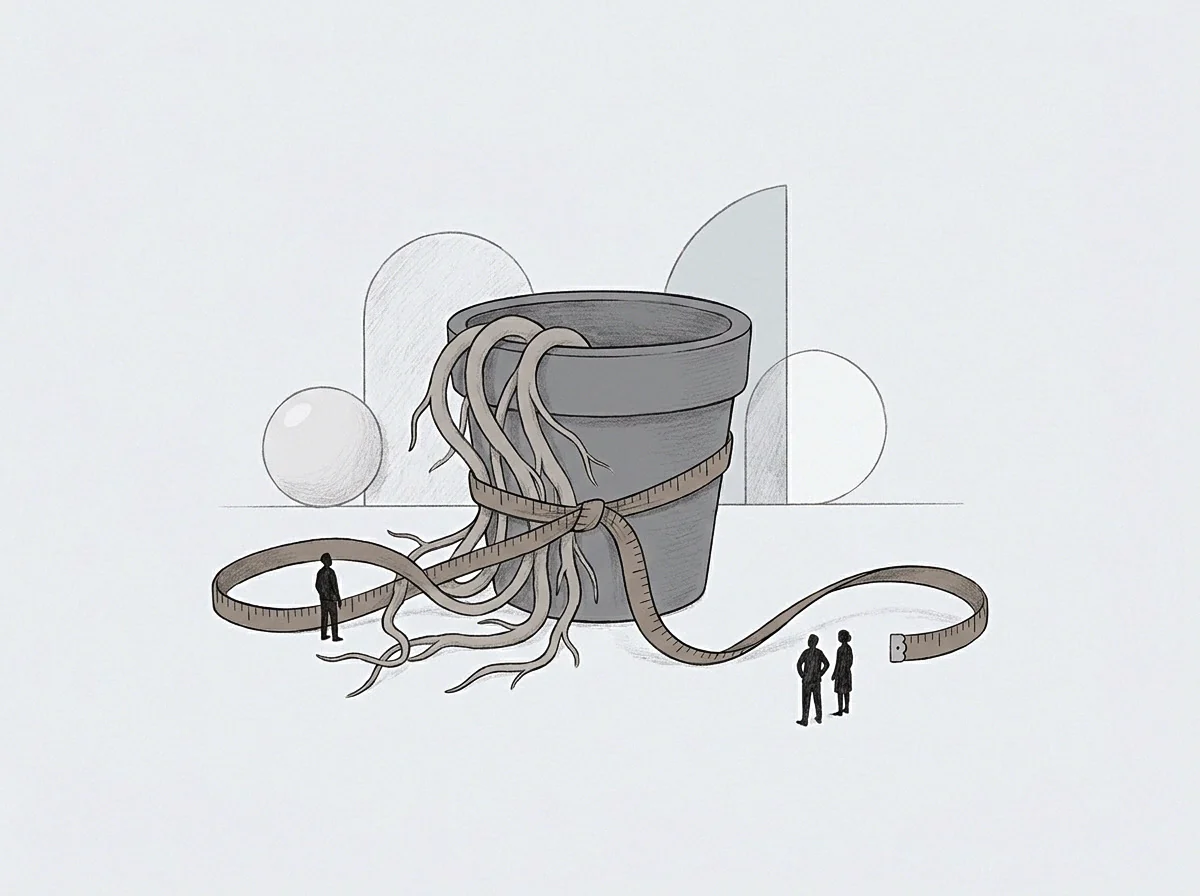
Recovery of full analytical capacity requires structured boundary conditions between distinct roles. Setting fixed schedules for operational interventions limits the spread of attention residue across working hours.