Meaning
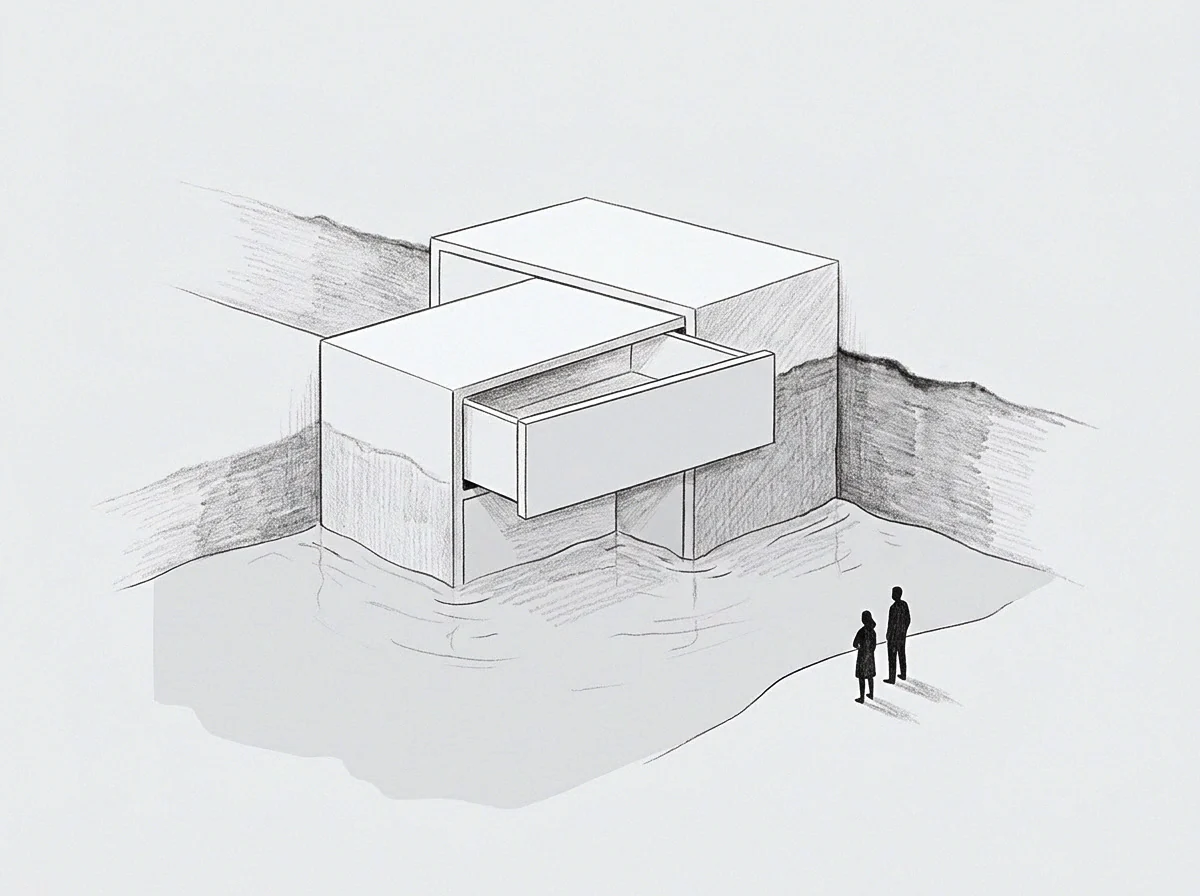
Structured procedures enable the passing of intuitive decision-making rules from experienced founders to successor managers. In the context of leadership succession, heuristic transfer ensures that unstructured, experienced-based problem-solving methods are not lost during organizational handovers. This codification process helps maintain operational consistency through periods of major change.
Cognitive Transition
Successors must absorb these mental models to make effective decisions under uncertainty. Experienced leaders often rely on unspoken cues to handle complex customer or operational issues. Without deliberate efforts to transition this implicit knowledge, the newly installed team will make avoidable mistakes.
This transition is especially difficult when the founder operates in a highly technical market where decades of tacit experience guide pricing, negotiation and resource allocation decisions.
Systematic Codification
Organizations use specific training protocols to capture these implicit decision patterns. Shadowing sessions, structured debriefings, business scenario simulations and case-by-case reviews allow successors to observe these habits in action. This deliberate practice translates individual instincts into organizational standards that any trained manager can apply.
Attention Drag
The exercise of extracting these informal rules demands a high commitment of time from outgoing leaders. Founders must dedicate dozens of hours to explain their daily choices. This long-term teaching obligation reduces the energy they can spend on external opportunities.