Meaning
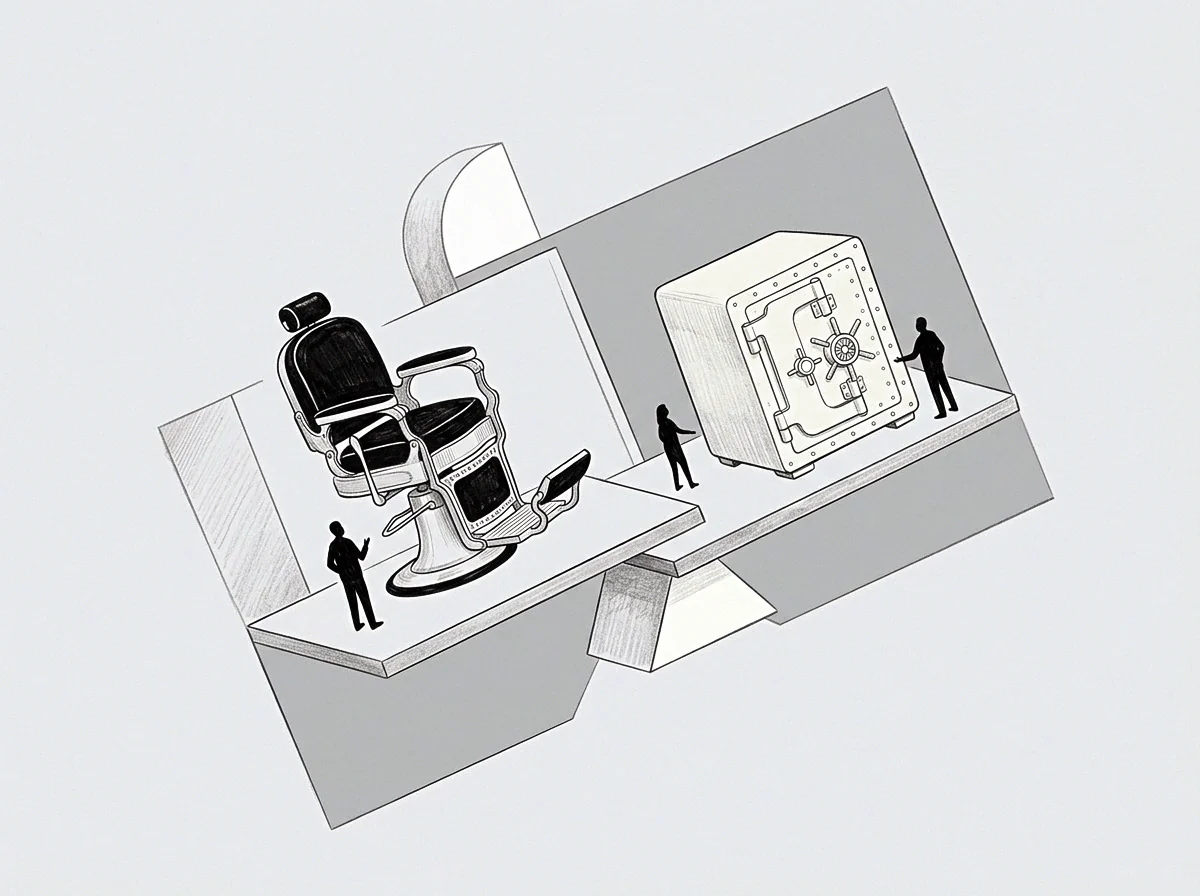
Structural limits of decision-making power define the division of labor between strategic oversight and daily operations. Clear authority boundaries are essential when a company founder shifts into a chairperson seat. Without these limits, confusion over who makes final calls on hiring, spending, or product direction can paralyze the enterprise.
These divisions protect the operational autonomy of hired executives while preserving the founder’s governance role.
Functional Boundary
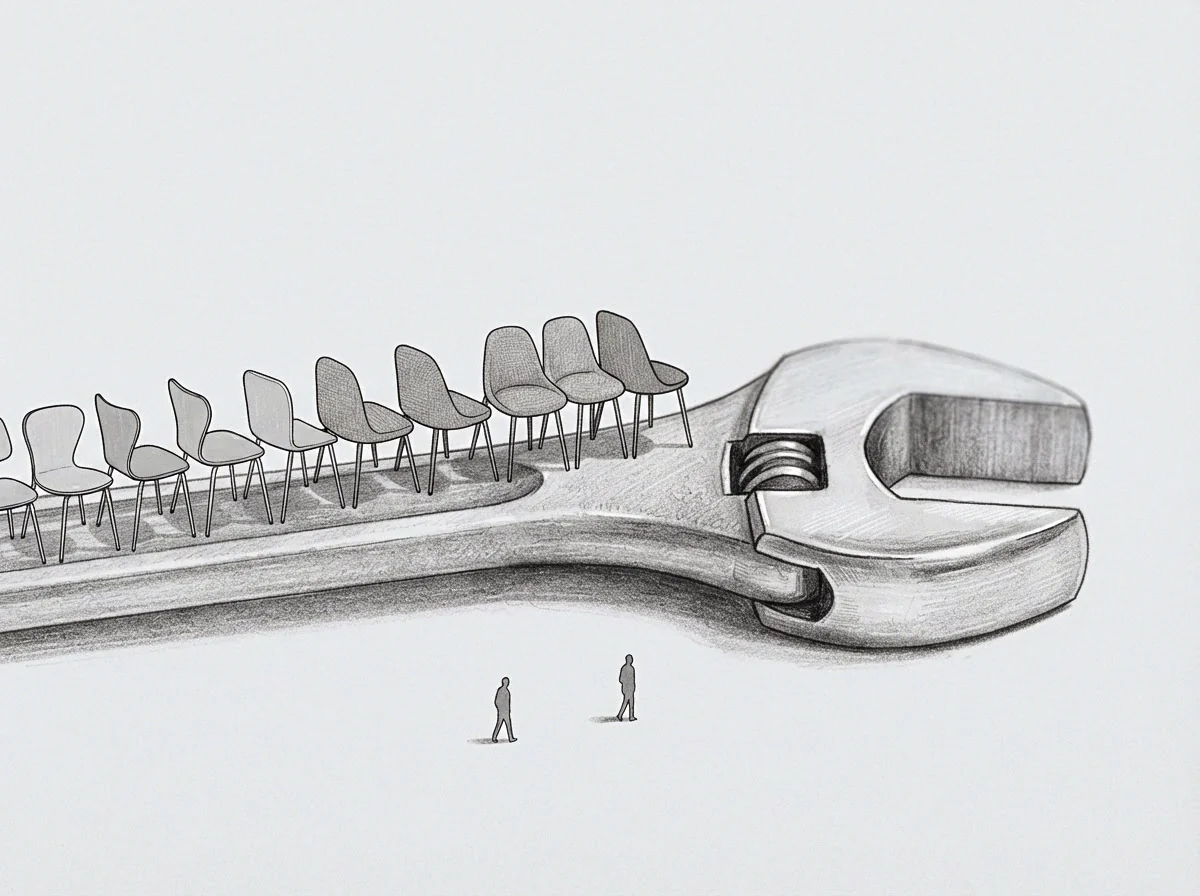
Operational friction arises whenever different leadership tiers attempt to govern the same decision. When authority boundaries remain ambiguous, employees receive conflicting directives from the board and the executive team. This confusion slows project execution and damages team confidence.
Explicit charts of responsibilities solve this by detailing who has the final signature.
Personal Cost
Emotional fatigue and executive burnout often affect founders who struggle to respect the limits of their new role. Staying out of daily problems takes intense self-discipline, costing substantial mental energy every day. When founders breach authority boundaries, they also devalue the position of the hired manager.
This constant interference forces the organization back into founder dependency.
Systemic Balance
Organizational stability depends on the consistent enforcement of these lines. Board members enforce these limits during regular reviews. This shift moves governance to structured monitoring, allowing the enterprise to grow beyond the founder’s personal capacity.