Meaning
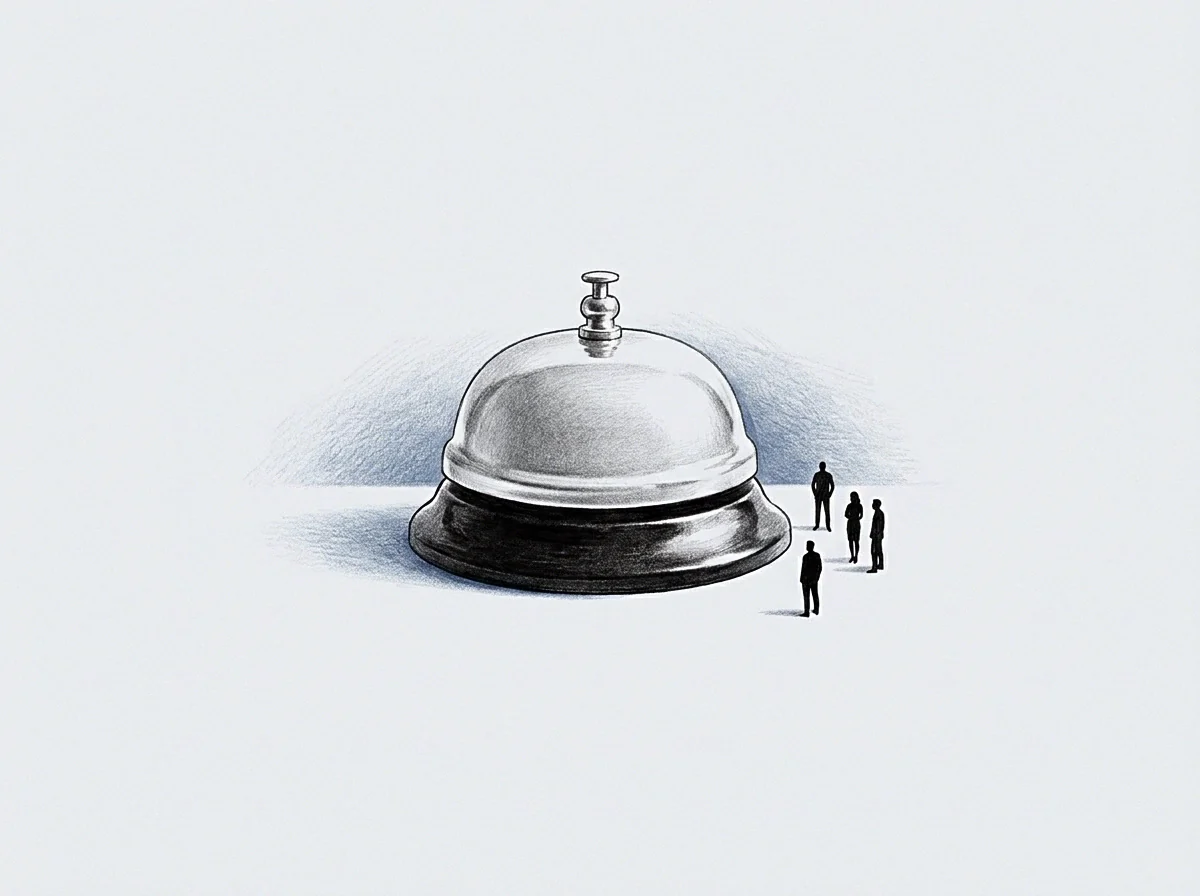
Succession mechanics defines the formal transition of executive authority and operational control from a founder to a successor. Succession mechanics regulates how information, access, and decision rights shift between individuals during the handover of leadership. This framework remains active until the outgoing party relinquishes the final veto power attached to their previous role.
The process requires a clear division between the ownership stake and the functional authority held by the incumbent.
Operational Protocols
Administrative handoffs require the mapping of internal workflows to specific personnel prior to the departure of the predecessor. Each protocol ensures that the knowledge gap between the founder and the new executive remains narrow to prevent a loss in institutional capacity. Managers prepare by documenting the logic behind past choices to allow for a consistent application of policy after the change.
These steps lower the demand on the founder to clarify historical context while protecting the incoming person from an unexpected deficit in information.
Resource Allocation
Capital and human resources often require reorientation during the shift of control to ensure the new leader possesses sufficient capacity to perform. The outgoing individual loses access to accounts and communication channels as the legal authority over these tools moves to the successor. This transition consumes significant attention from the staff who must adjust their reporting habits to the requirements of the new office.
Each adjustment period introduces a temporary strain on the ability of the organisation to maintain its standard output levels.
Exit Constraints
Structural boundaries prevent the founder from maintaining lingering influence over the day to day affairs once the contract reaches the end of its duration. Legal agreements dictate the exact hour when the predecessor loses the right to act on behalf of the business entity. Former leaders often experience a reduction in their personal network reach as the channels of influence close upon the completion of the transfer.
Succession mechanics ensures that the departure results in a definitive end to the relationship between the founder and the operational duties of the seat.