Meaning
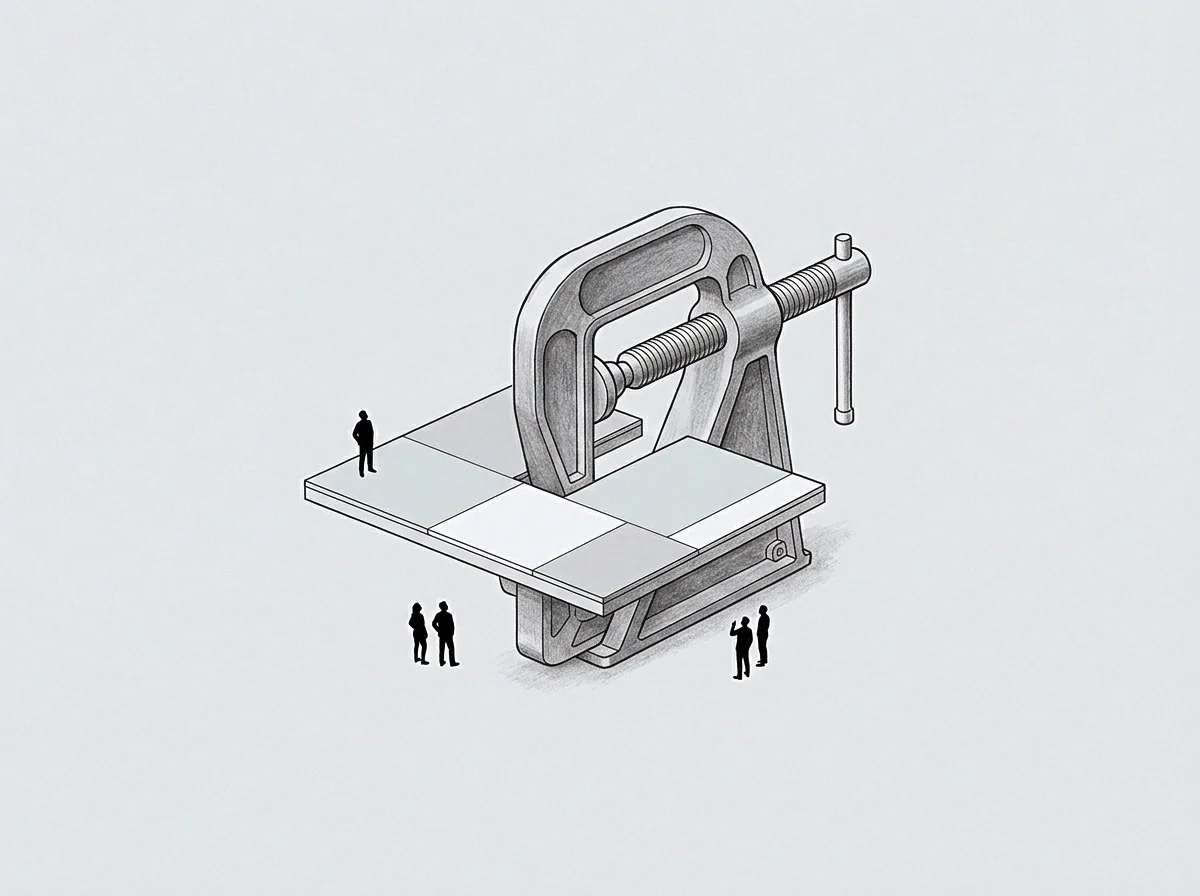
Measurement of the lost income resulting from existing customers canceling their contracts or reducing their spending over a specific timeframe. This revenue churn quantifies the erosion of the established customer base and highlights the gap between gross sales and net growth. It stops applying only when the customer relationship is completely terminated or the contract value returns to zero.
Stability Metric
Assessment of the retention rate provides a clear view of the long-term health of the business model. High revenue churn indicates that the product or service is failing to deliver ongoing value to the user. For a founder, this loss represents a drain on the energy and money previously spent on customer acquisition.
Economic Impact
Erosion of the top line forces the organization to work harder just to maintain its current size. Every unit of revenue churn must be replaced by new sales before the company can achieve any actual expansion. This cycle places a heavy burden on the sales seat and increases the pressure on the entire revenue organization to perform.
The cost of this attrition is felt in the reduced valuation of the firm and the increased difficulty of attracting new investment.
Retention Strategy
Mitigation of these losses requires a dedicated focus on customer success and product development. Regular monitoring of revenue churn allows the leadership to identify trends and intervene before the damage becomes irreversible.