Meaning
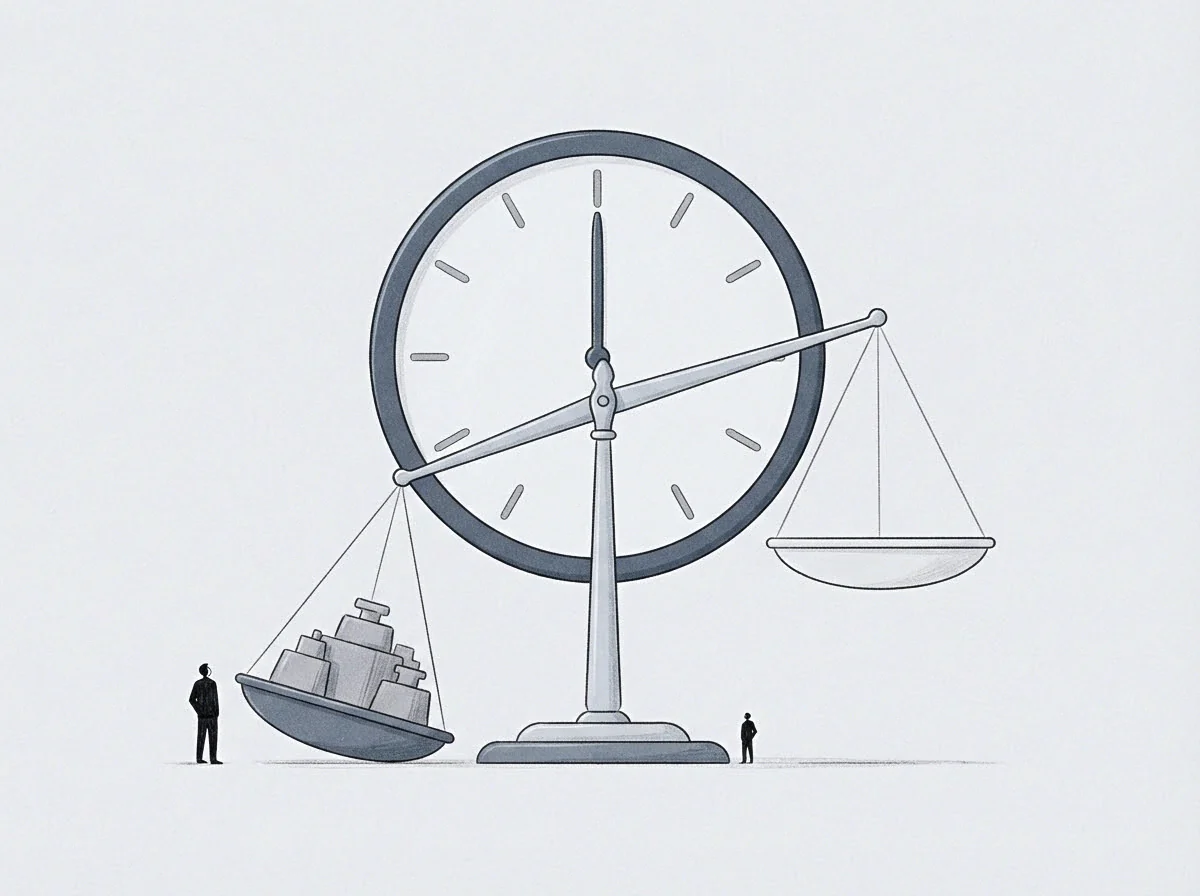
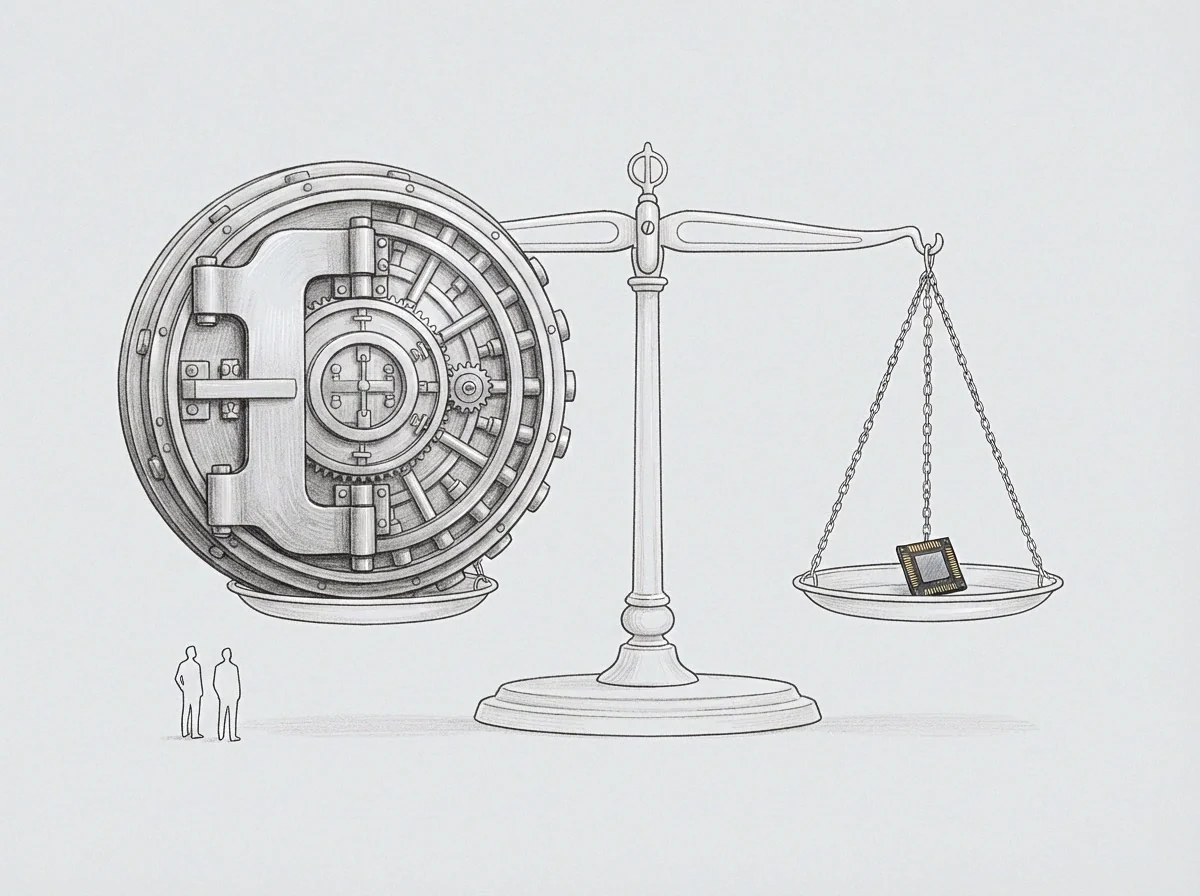
A situation where a company’s board of directors or equal shareholders cannot reach a majority decision on critical corporate actions. When an enterprise experiences a governance deadlock, the lack of progress can halt daily operations and strategic planning. This problem frequently occurs in companies with fifty-fifty ownership structures or evenly split board seats.
It represents a significant threat to organizational continuity.
Deadlock Resolution
Resolution mechanisms must be designed before disputes arise to ensure that the company can continue to function. Standard shareholder agreements often include buyout provisions where one party purchases the shares of the other. Some companies use a shoot-out clause where each party submits a sealed bid to buy the other’s interest.
The party with the higher bid must buy out the lower bidder at that price, which forces realistic valuations.
Operational Consequences
Prolonged disputes at the board level can lead to missed market opportunities and demoralized staff. Without a clear strategic direction, middle managers struggle to execute long-term projects or hire key talent. The friction consumes immense executive hours and drains leadership energy.
Contractual Remedies
Independent directors or external mediators can be brought in to break the tie and restore order. These neutral parties provide a fresh perspective and help the firm avoid litigation. Implementing these measures keeps the business moving forward without requiring a complete dissolution.