Meaning
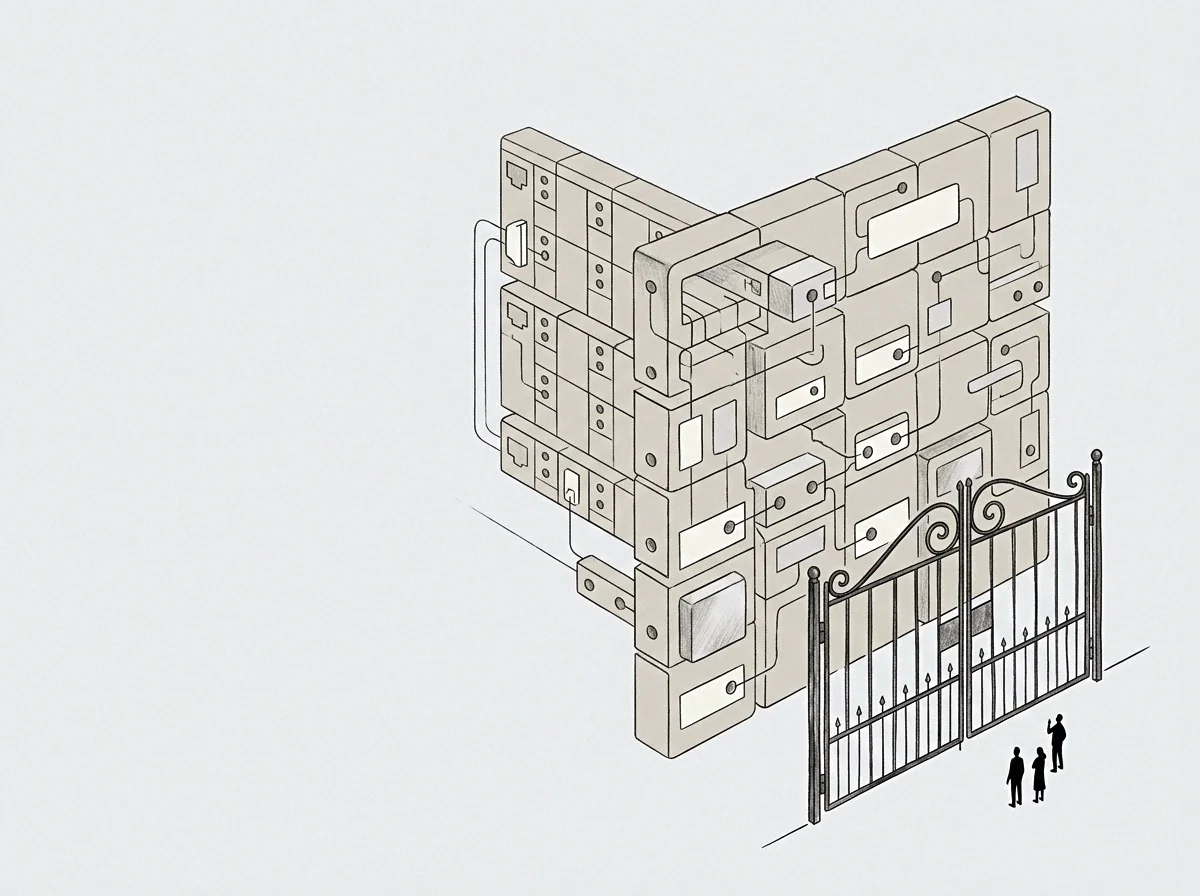
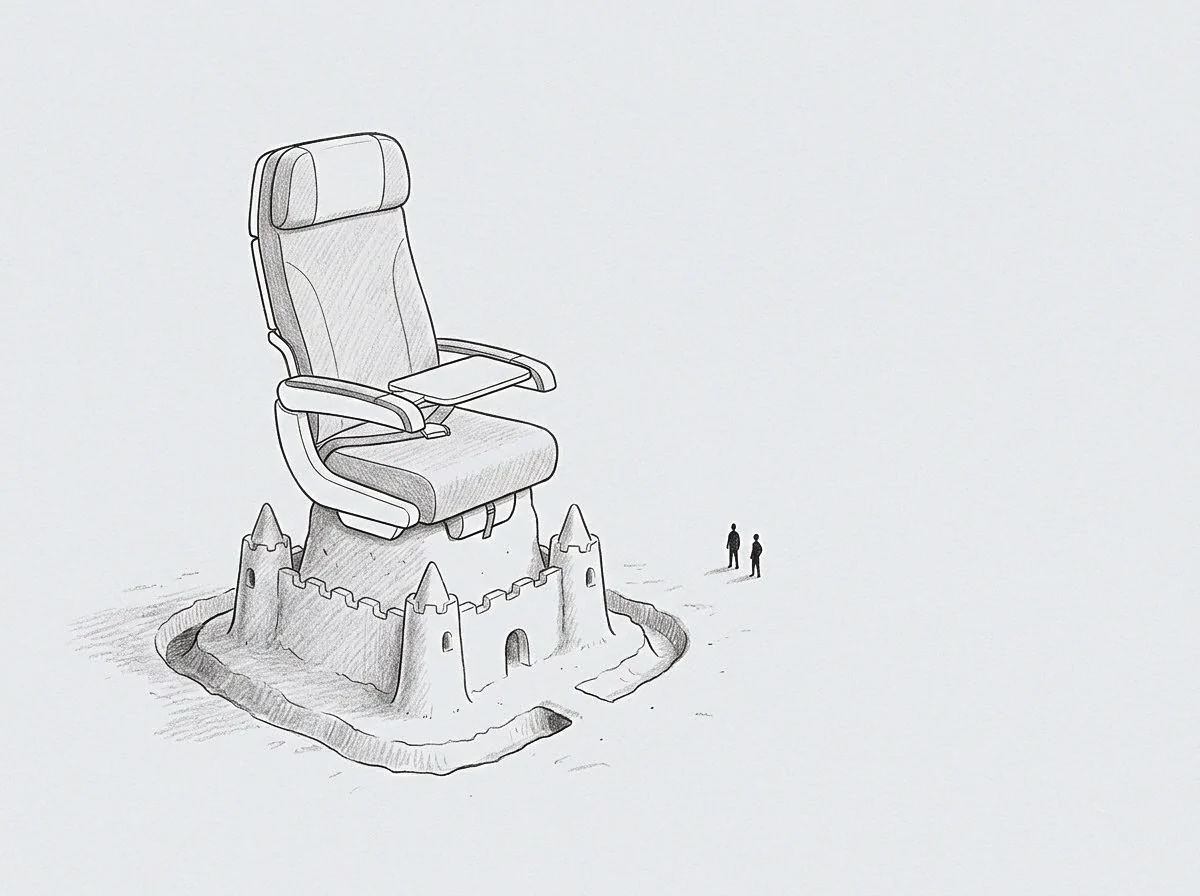
An organizational vulnerability exists when essential commercial relationships or operational permissions remain tied to an individual creator. The presence of founder dependency prevents a company from functioning autonomously after the departure of its original leader. It governs corporate governance risk and operational continuity, ending when systematic knowledge documentation and professional management delegation completely decouple daily operations from the creator.
Operational Entrapment
Uncodified operational processes lock departing creators into ongoing advisory obligations long after official resignation dates. When critical customer relationships or proprietary technical architectures reside entirely in a founder’s head, founder dependency forces the company to request continuous guidance. Former leaders find themselves answering daily technical questions or attending client retention calls to prevent revenue loss.
This operational reliance prevents true clean breaks, forcing former executives into unpaid consulting roles that disrupt post-exit plans.
Transition Cost
Carrying continuous operational responsibility after exiting an executive role imposes severe demands on personal energy and time. Former executives must spend focus hours explaining legacy decisions and training incoming managers. This unpaid support drains attention capacity that was intended for personal recuperation or new business creation.
The emotional weight of remaining the ultimate operational safety net hinders personal detachment from the firm.
Institutional Transfer
Eliminating individual reliance requires process documentation and systematic management empowerment. Organizations replace individual reliance with structured operational frameworks that permit new leadership teams to execute independently.