

Structuring Unvested Dynamic Equity Repurchases During Corporate Turnarounds
Corporate turnarounds enforce unvested dynamic equity repurchases by executing stock option agreements at contractual par value during strategic pivots.
Corporate turnarounds enforce unvested dynamic equity repurchases by executing stock option agreements at contractual par value during strategic pivots.

Unvested equity clawbacks execute through administrative share cancellation, applying fair value discounts to offset cardinal recovery sums against corporate ledgers.

Unconverted sweat equity transforms into junior common stock or gets extinguished during down round recapitalizations.

Early founder cap table discrepancies are resolved by auditing historical promises, pricing past effort, and executing binding share repurchase or debt conversion releases.

Restricted stock repurchase options specify board rights to buy back equity using fixed valuation triggers during executive transitions and realignments.

Separation agreements value unvested equity through formulaic discounts, option pricing models, or forfeiture clauses determined by departure status.

Enforcing LLC operating agreements during equity conflicts requires applying written vesting, dilution, and dissociation clauses to separate ownership from work.

Forced equity redemptions execute through operating agreement protocols that convert ownership shares into deferred debt using formulaic or appraised valuations.

Preferred equity injections reprice corporate shares, triggering anti-dilution adjustments that reallocate equity ownership between original holders and new capital.

A reverse vesting repurchase option allows an enterprise to reclaim unvested equity at par value or fair market value upon an early operating partner resignation.

Bad leaver repurchase triggers enable private entities to reclaim equity at discounted rates or nominal value upon specific material breaches or early operator departure

Adjusting vested stock repurchase multiples during strategic pivots replaces trailing revenue metrics with net realization values and subordinated debt notes.

Resolving minority shareholder recapitalization deadlocks requires replacing contractual negotiation with statutory cash-out mergers that convert equity vetoes into judicial appraisal claims.

Reverse vesting subjects fully issued common shares to investor-mandated repurchase options that unvest equity over a renewed service calendar.

Statutory dissociation severs governance rights while contractually defined call options convert remaining equity into structured debt through formula pricing.

Converting accrued founder salary into common equity exchanges senior wage claims for junior share ownership while triggering potential debt cancellation tax exposure.

Enforcing operating agreement buyout protocols requires strict adherence to notice terms and appraisal formulas to secure judicial conveyance of company equity.
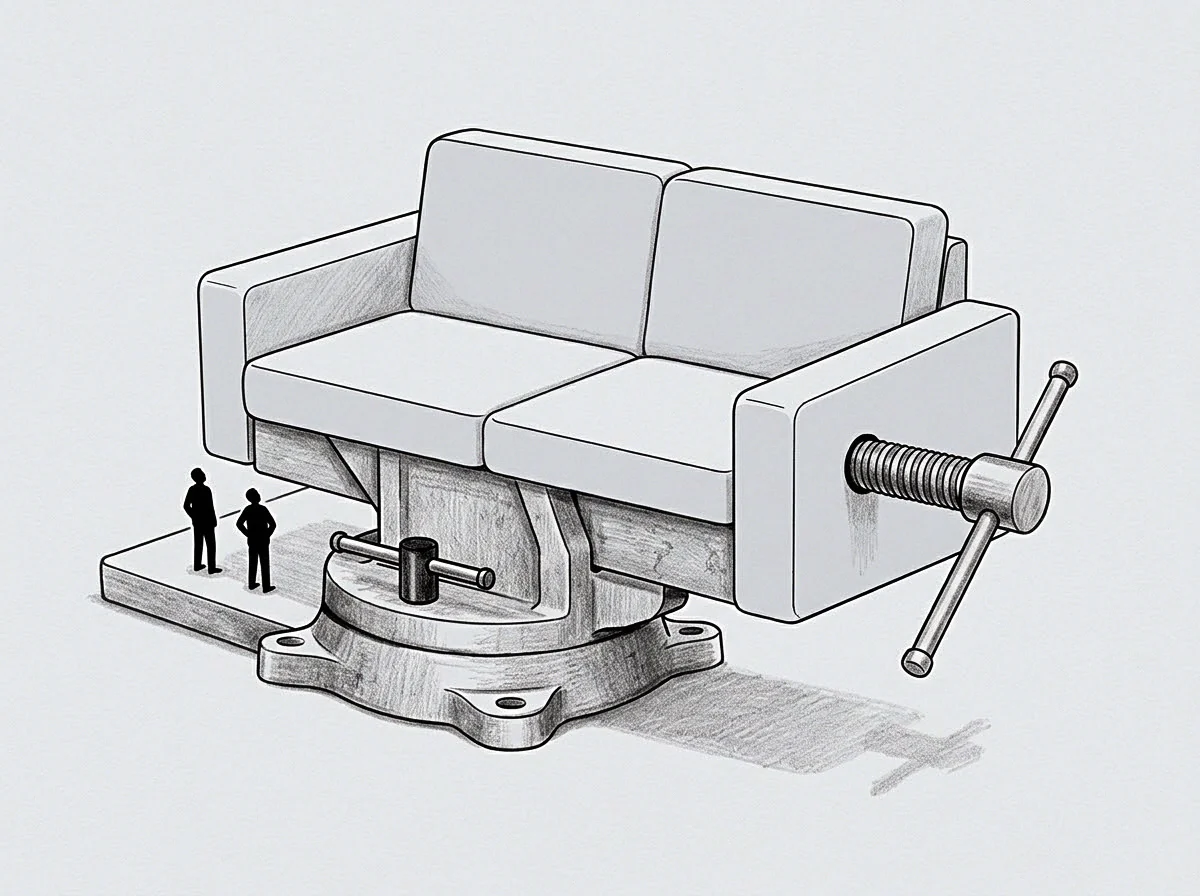
Contractual fair value buyout clauses resolve minority discount disputes by explicitly defining valuation as an undiscounted pro rata share of enterprise value.

Unbundled executive deadlocks resolve by converting operational vetoes into majority votes while preserving structural anti-dilution covenants.

Punitive equity forfeiture clauses enforce strictly under Delaware contractarian statutes but face widespread invalidation as unlawful penalties in other state forums.

A company exercises its contractual call option to repurchase unvested shares from a departing founder at nominal cost within a fixed post-termination window.

An option pool reserves common stock to incentivize early hires, funded through founder dilution and liquidated behind senior preferred capital preferences.

Post termination exercise windows balance operator liquidity against share overhang through tenure-scaled timelines, net exercise, and corporate call rights.

Bad leaver provisions enforce mandatory equity repurchases at reduced valuations when an LLC member exits through material breach, fraud, or unapproved resignation.

Fiduciary breach repurchase options require clear documentary evidence of disloyalty and disinterested board authorization to enforce equity buybacks.

Commercial arbitration tribunals remedy bad faith bad leaver clawbacks by ordering specific equity reinstatement or awarding fair market value damages.

A redemption mechanic enforces the structured corporate repurchase of inactive minority equity through pre-agreed valuation formulas and installment notes.

Contractual escrow redemptions resolve silent equity disputes by enforcing pre-agreed valuation formulas and binding neutral expert determination.

Non-cause equity buybacks execute under contractually defined valuation rules, adjusting vested share pricing through fair value or fair market value formulas.

Corporate debt covenants and legal solvency limits restrict board authority to execute vested founder share repurchases during enterprise capital distress.
The terms are written where they belong. Each field holds three desks, and every entry a desk writes raises the terms it uses, each term given a meaning, a mechanism and the places it appears. The record on these pages stays first person and hand made; the fields grow the nomenclature.