
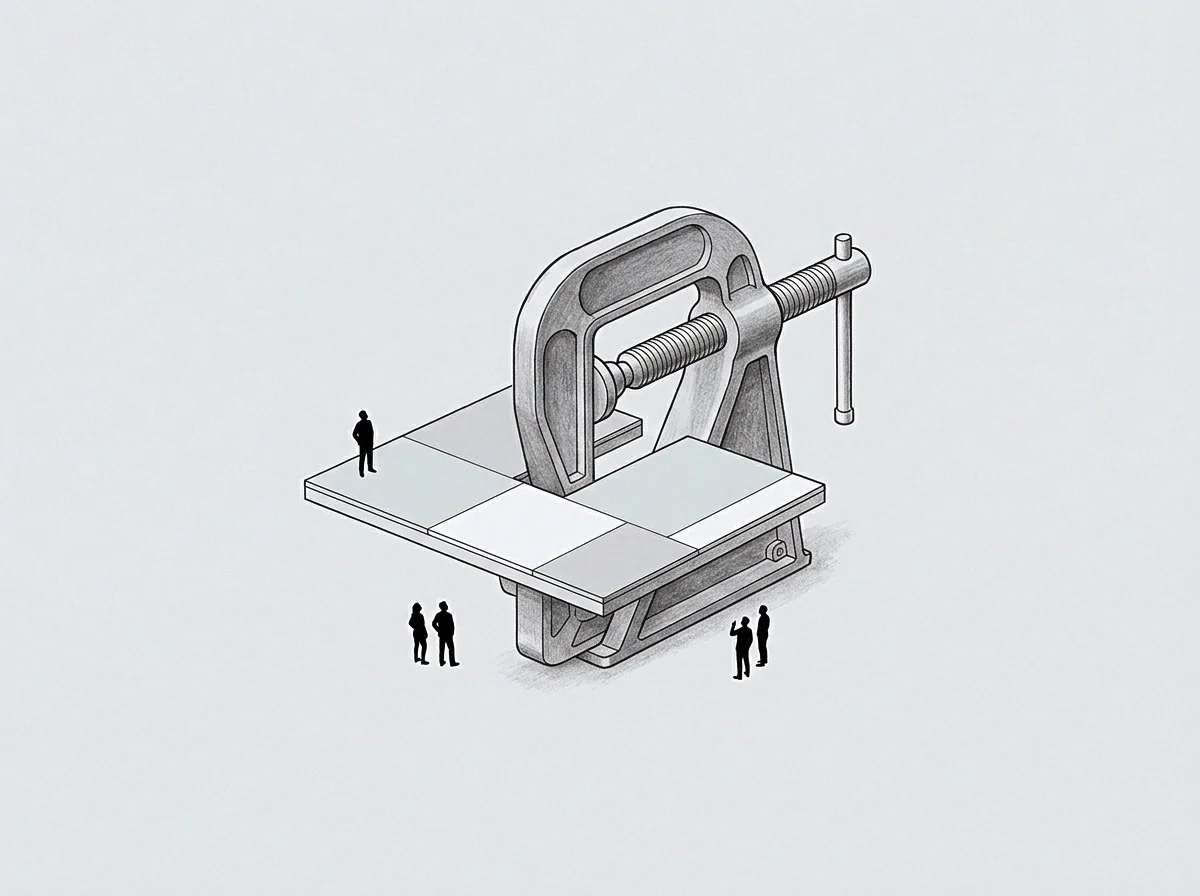
Legal Determinants Of Forced Buyouts In Closely Held Enterprise Capital Structuring
Forced buyouts in closely held firms depend on contractual repurchase triggers, statutory oppression remedies, share class rights, and valuation formulas.
Forced buyouts in closely held firms depend on contractual repurchase triggers, statutory oppression remedies, share class rights, and valuation formulas.

Minority equity redemption triggers in restructurings reallocate equity control by executing contractual put options or forced squeeze-outs under distress valuations.

Mandatory equity redemption reclaims company shares from departing operators at predetermined prices to protect balance sheets and equity reserves.

Good leaver clauses enforce conditional equity repurchase options, reclaiming departing partner shares at either fair market value or par cost.

Modifying early-stage equity vesting before resignation substitutes default buybacks with structured advisory terms, partial acceleration, or milestone releases.

Unvested founder equity returns to the corporate pool through nominal contractual repurchases before reissuing fresh grants to successor executive leadership.
The terms are written where they belong. Each field holds three desks, and every entry a desk writes raises the terms it uses, each term given a meaning, a mechanism and the places it appears. The record on these pages stays first person and hand made; the fields grow the nomenclature.