Meaning
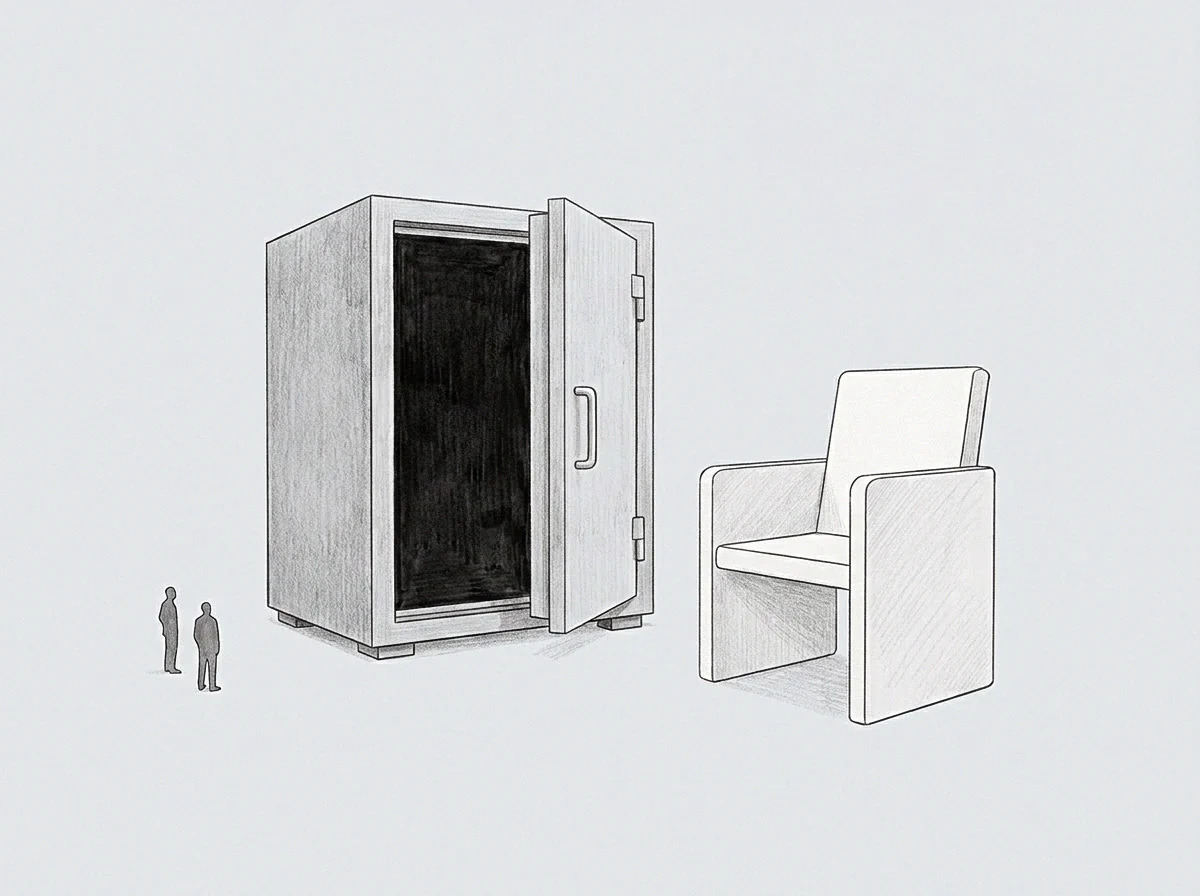
Legal establishment of a business entity provides the framework for limited liability and asset protection. During the transition from an idea to a business, corporate formation separates the personal assets of the founder from the liabilities of the venture. It defines the point at which a person begins to occupy a formal seat, such as a director or officer, rather than operating as an individual.
This act requires filing specific articles with a government registrar and paying the necessary fees.
Statutory Identity
The creation of a new legal person allows for the ownership of property and the signing of contracts. Through corporate formation, the business gains the ability to exist independently of its creators. This status persists even if the original team departs.
It provides the necessary vessel for issuing equity to investors.
Structural Layering
Complex organizations often require several distinct entities to manage different types of risk. By using corporate formation to build a parent company and subsidiaries, the owner can isolate debts and intellectual property. This arrangement prevents a failure in one department from compromising the entire group.
Each new entity adds a layer of protection and a corresponding layer of paperwork.
Administrative Endurance
Maintaining the legal status of an entity requires constant attention to filings and records. The work of corporate formation continues long after the initial setup through annual reports and tax registrations. Neglecting these tasks can lead to the loss of limited liability protections.
This ongoing requirement demands a fixed amount of hours and money every year. A founder who moves into a pure ownership seat must ensure that these administrative foundations remain solid to prevent the piercing of the corporate veil. Failure to maintain these records can expose personal wealth to business risks.