Meaning
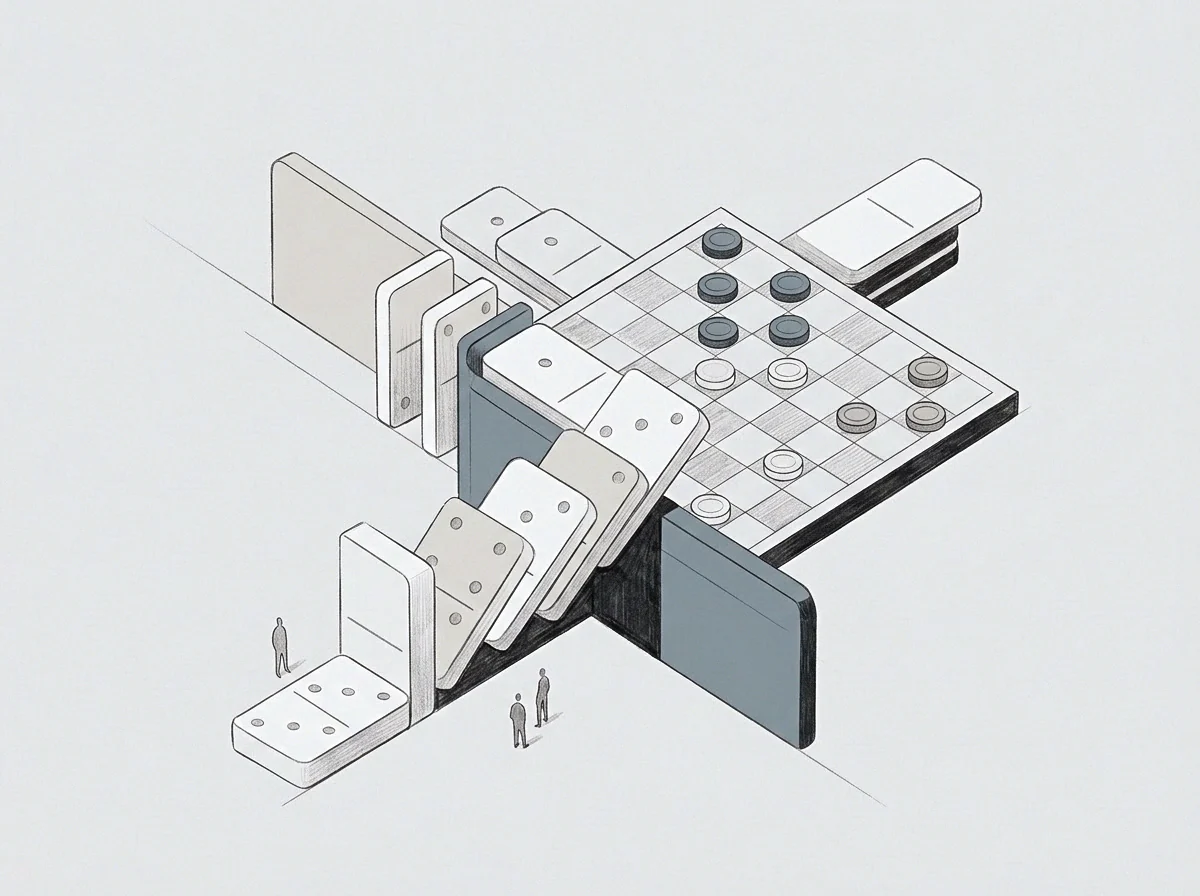
Organizational phenomena in corporate management describe the informal persistence of executive decision-making power in hands that no longer hold corresponding titled offices. The term authority drift identifies the process where explicit operational boundaries between a former founder and an incoming chief executive officer become blurred over time. Decision rights migrate back toward legacy leaders through habits and legacy relationships.
Operational Impact
Management hierarchies experience friction when operational staff seek guidance from former leaders instead of appointed executives. Experiencing authority drift leads to ambiguous direction, delayed software releases and fragmented capital allocations. Middle managers face conflicting priorities when direct instructions from executive officers are overridden by legacy founders during informal consultations.
This confusion slows execution across engineering, sales, finance and administrative functions. Employees spend working hours resolving conflicting directives rather than executing strategic objectives. Over time, official leaders lose effective governance over daily operations, creating administrative bottlenecks that impair operational momentum.
Executive credibility declines among external stakeholders when internal reporting lines fail to govern internal actions.
Capacity Loss
Retaining informal decision authority consumes personal attention and emotional energy from former founders seeking to transition into advisory or board roles. Struggling against authority drift prevents individuals from directing focus toward portfolio investments or personal pursuits. The persistent influx of operational queries keeps legacy leaders tied to daily routine management, restricting their capacity to engage in long-term strategic reflection.
Correction Mechanism
Written charters and explicit delegation policies restore organizational order by defining approval thresholds for financial and operational decisions. Ending authority drift requires strict adherence to reporting protocols and public reaffirmation of incoming executive command. When founders consistently redirect operational queries to official executives, informal decision channels close permanently.