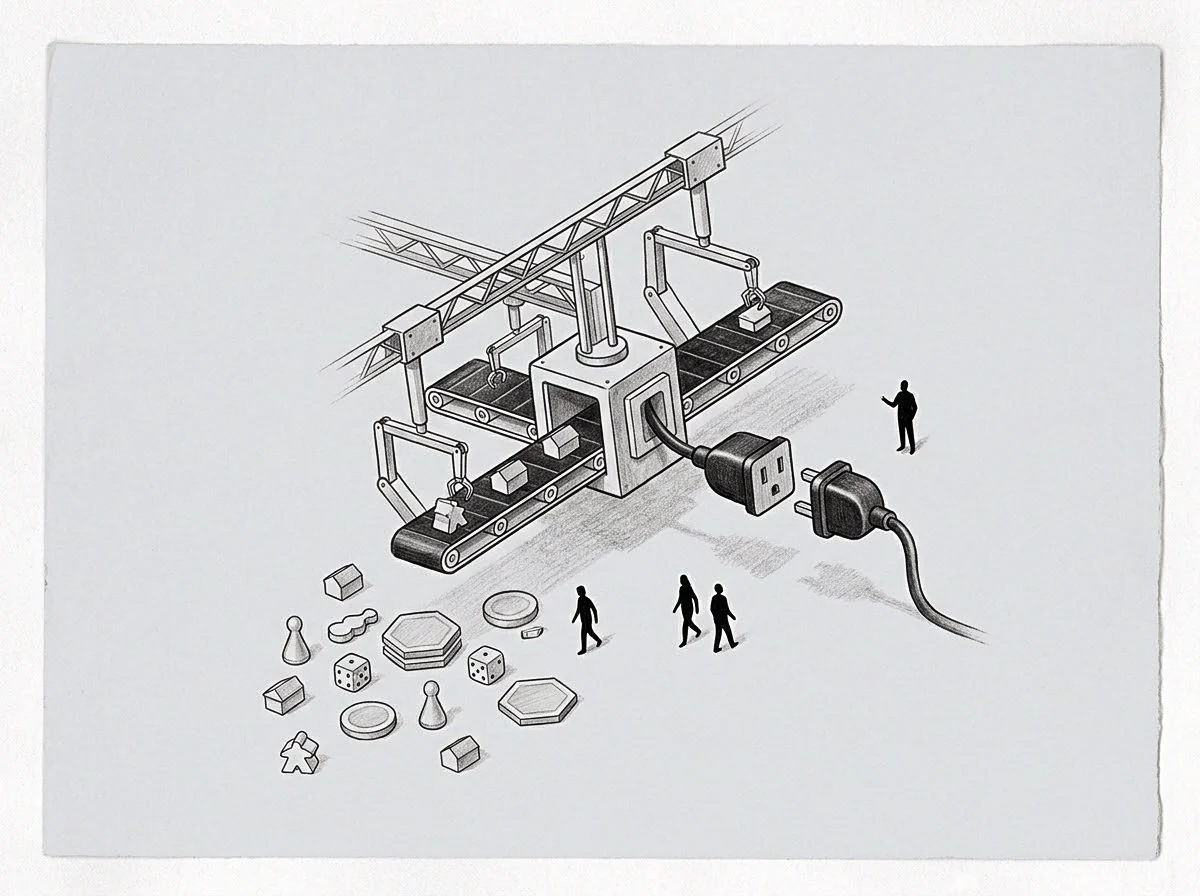
Meaning
Systematic evaluation procedures ensure that the technical design of a system aligns with the long-term operational requirements of a business. An architectural review provides an assessment of software or hardware structures to identify technical debt and scalability constraints. This process establishes whether the current configuration supports the transition from a founder-led prototype to a commercially stable product.
It defines the boundary between experimental development and industrial reliability by checking for modularity and security.
Design Assessment
Structural integrity determines the longevity of the technical assets a person holds during a transition. An architectural review reveals hidden complexities that increase the maintenance cost in both hours and engineering capacity. When a founder moves from a technical seat to an ownership seat, this evaluation verifies that the system can survive without their direct intervention.
It uncovers where the code relies on undocumented tribal knowledge rather than standardized patterns.
Operational Stability
Capacity planning involves calculating how many users a system handles before it fails. An architectural review identifies the specific points of failure that require immediate capital expenditure. Efficiency gains result from reducing the energy required to support legacy systems.
The review highlights the cost of delaying upgrades which otherwise limits the growth of the firm. Regular checks prevent the accumulation of catastrophic design flaws. This maintenance ensures the platform remains competitive as market demands shift over time.
Compliance Verification
Security standards provide the frame for protecting intellectual property and customer data. Through an architectural review, the organization documents its adherence to industry protocols. This documentation reduces the risk of legal exposure during a sale or handover.
It ensures the seat of the operator is insulated from avoidable technical crises.