Meaning
Handover of commercial client relationships defines the process through which a business owner transfers their primary interface role to an executive team. An account transition occurs when the founder relinquishes direct communication with important accounts to focus on broad governance. It requires clear operational protocols to prevent client attrition or service lapses.
The process succeeds when clients accept the new operational team as the authoritative contact.
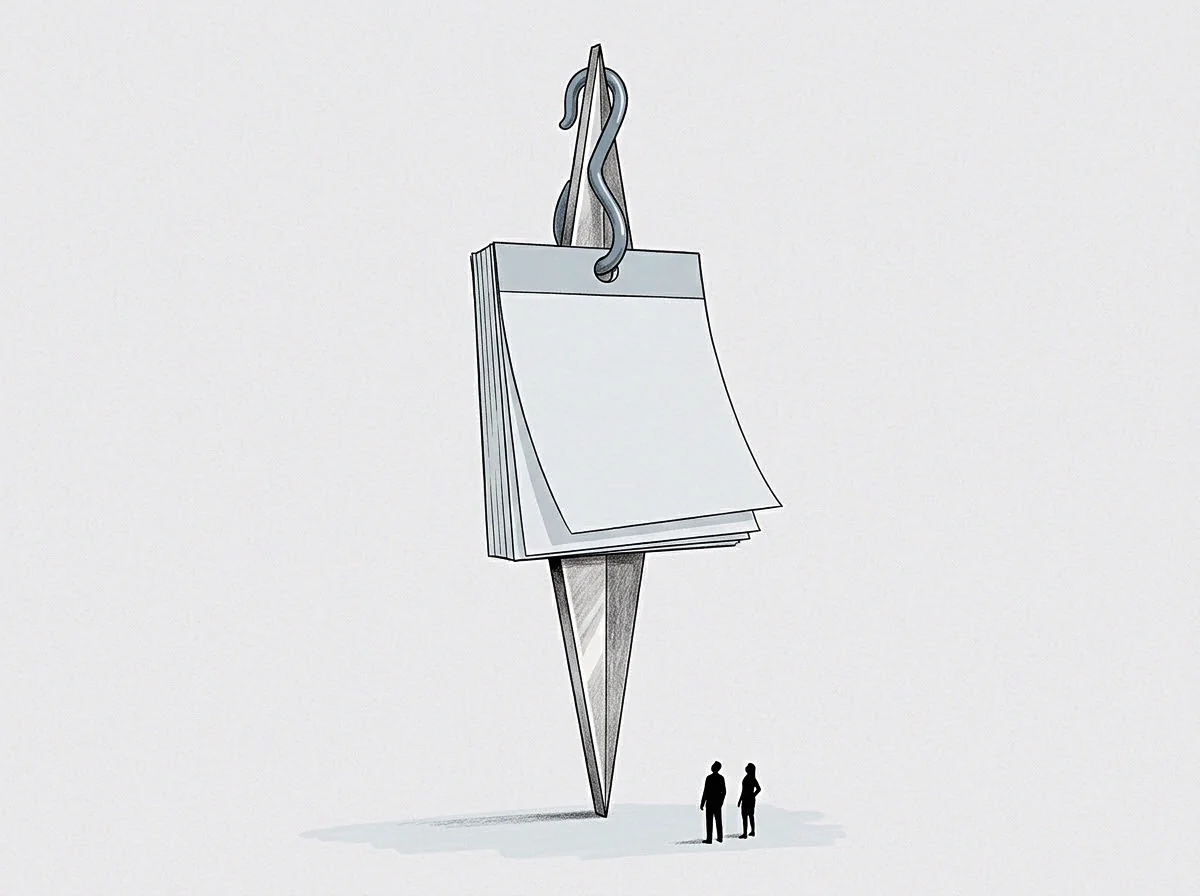
Phased Transfer
Sequential delegation of client contact builds confidence. The account transition progresses in planned stages where the founder introduces the successor, observes their performance, and withdraws. This deliberate withdrawal establishes the new manager as the primary authority.
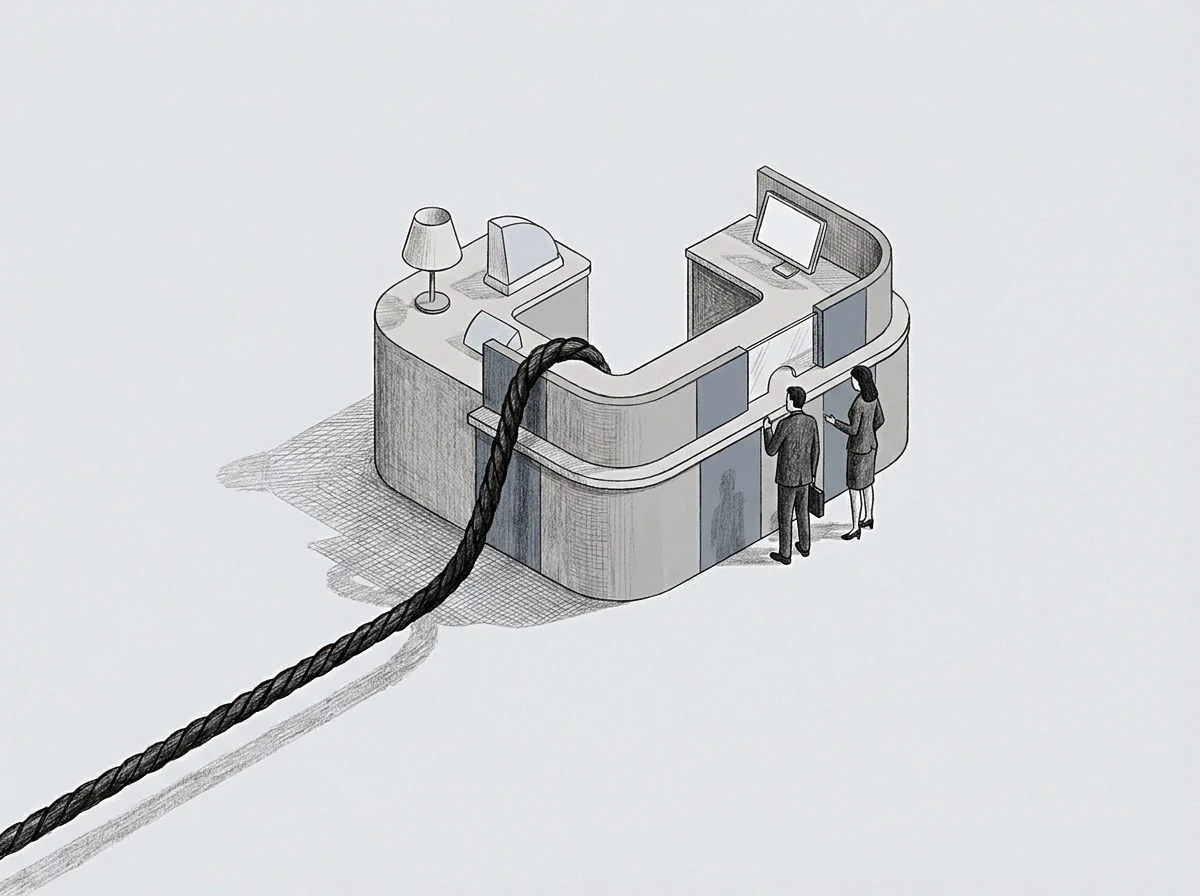
Operational Friction
Personnel changes often encounter resistance from clients who are accustomed to founder-level attention. This resistance creates a demanding workload for the successor, who must prove their capability. The transition demands hours of redundant briefings to ensure no historical context is lost.
It requires the organization to document every historical preference.
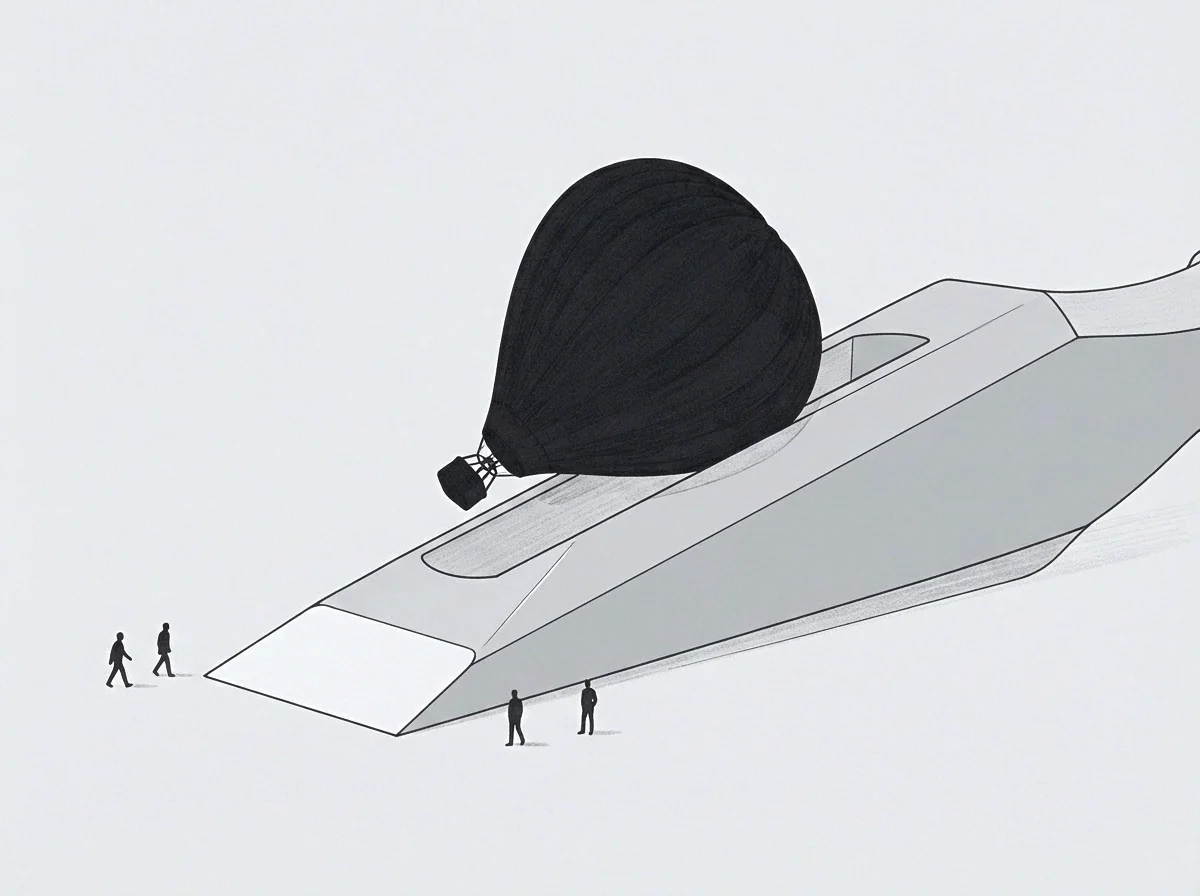
Strategic Risk
Trust devaluation represents the primary danger during the final stages of the handover. If the founder intervenes too early, the client learns to ignore the successor. This intervention damages the successor’s authority and locks the founder into the daily loop.
Careful boundary setting protects the new manager’s role and frees the founder’s capacity.