
Structural Delineation Of Executive Seats In Rapidly Growing Enterprise Systems
Executive seat delineation decouples technical execution from operational management and corporate governance through formal charters and bounded authority.

Block
An operator sits at a metal desk at midnight, clearing vendor invoices on one monitor while reviewing technical pull requests on the other. Eight hours earlier, that same person answered an institutional shareholder about the annual revenue projection and mediated a jurisdictional dispute between engineering leads. The operational log registers eighty-four distinct decisions across four functional disciplines inside a single business day.
A calendar broken into fifteen-minute increments reveals structural issues long before financial statements show an operational deficit. As an enterprise grows past seventy employees, executive responsibilities split into distinct disciplines. Combining technical execution, administrative control, and corporate governance in a single role creates constant operational drag.
In early stages, an executive role serves as an undifferentiated point of execution. The person in the seat handles software architecture, customer escalations, vendor payments, and board updates without clear separation. As transaction volume, team headcount, and operational complexity move past early thresholds, these tasks split into distinct roles.
Building technical systems requires long stretches of uninterrupted concentration. Managing department heads calls for ongoing availability and dispute resolution. Corporate leadership requires long-range capital allocation and strategic planning.
Forcing a single mind to switch between these three demands every hour degrades focus across all of them.
A seat held without explicit operational terms extracts its payment in lost enterprise velocity.
An organization fractures when actual responsibilities grow faster than job descriptions. An executive who continues reviewing individual code submissions or customer tickets while managing fifty employees creates an immediate bottleneck. Department heads wait for informal sign-offs, projects drift without evaluation, and governance turns into reactive management.
The organization builds informal workarounds to bypass the executive’s clogged inbox, with team leads setting up off-record communication channels as operational standards slip and administrative delays consume capital.
Leaving executive positions conflated forces department directors to guess at unstated boundaries through trial and error, causing widespread operational friction.
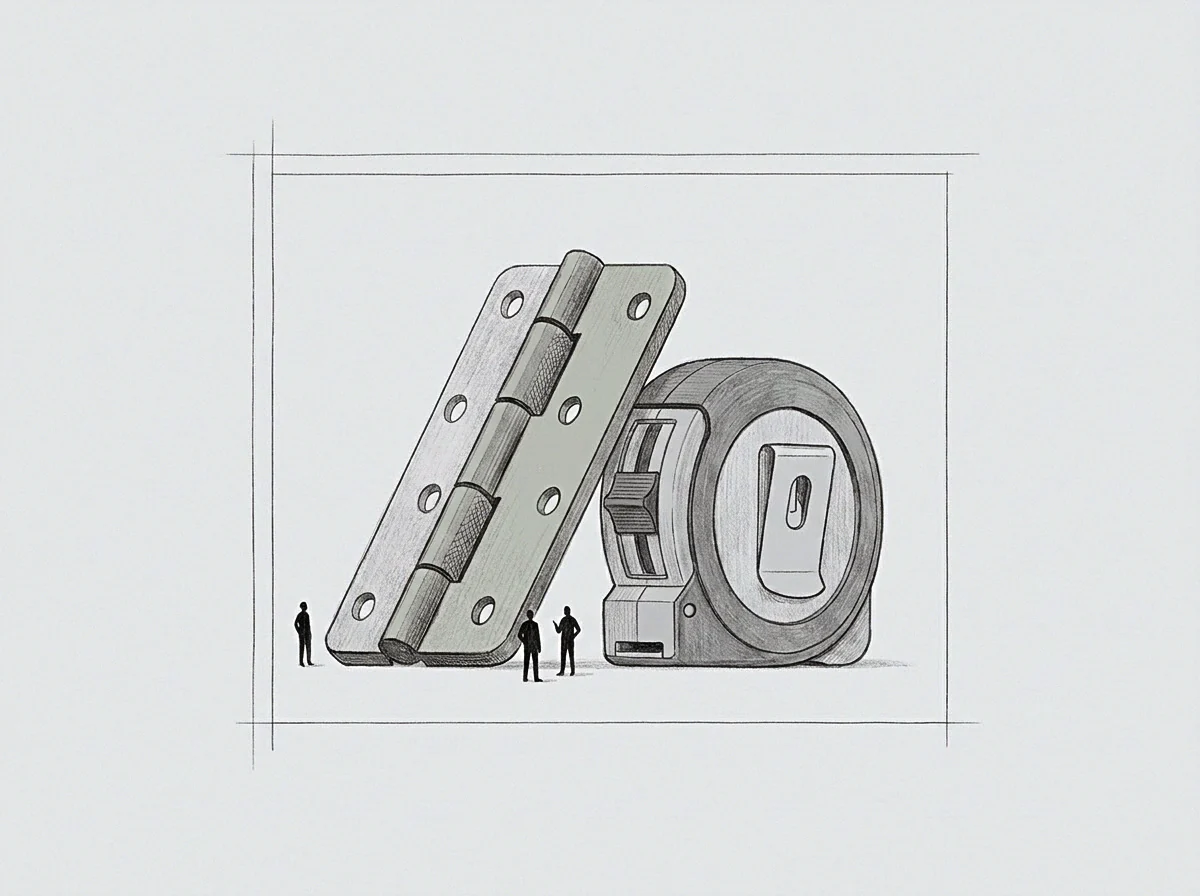
Torque
Structural delineation fails most often when a growing firm treats an executive title as personal status rather than an operational seat. Three distinct seats reside within a founder during early phases: the technician seat, the manager seat, and the governance seat. The technician seat covers direct production and engineering output.
The manager seat covers workflow management, resource allocation, and team accountability. The governance seat handles long-term capital deployment, legal liability, and overall company direction. Once headcount surpasses one hundred people, each seat requires dedicated attention and clear boundaries.

Whose Signature Binds The Capital Allocation Decision?
Ambiguity over authority surfaces quickly around resource commitments. When an operational manager approves department headcount while an executive commits capital to market expansion without shared criteria, internal friction spikes. Organizational sociology describes this phenomenon as role strain, where competing demands overload a single role.
In growing companies, that strain multiplies down through every reporting tier.
- Positional overlap creates conflicting instructions for department directors, delaying work across core business units.
- Tacit operational dependency forces the executive to step into daily tactical disputes, draining attention needed for long-term systems design.
- Informal authority retention keeps department heads from using their own judgment, reducing experienced managers to administrative messengers.
- Measurement dissolution masks departmental performance issues behind executive interference, making clear evaluation impossible.
The operational cost lands directly on executive attention capacity. Switching between system debugging and equity structuring produces clear cognitive fatigue. Research on task interruption shows that returning to deep analytical work after an administrative interruption takes upwards of twenty minutes of focus realignment.
When an executive faces twelve such interruptions a day, deep analytical planning stops entirely.
Whether an executive who built the initial product can permanently separate governance responsibilities from technical habits remains an open structural question.
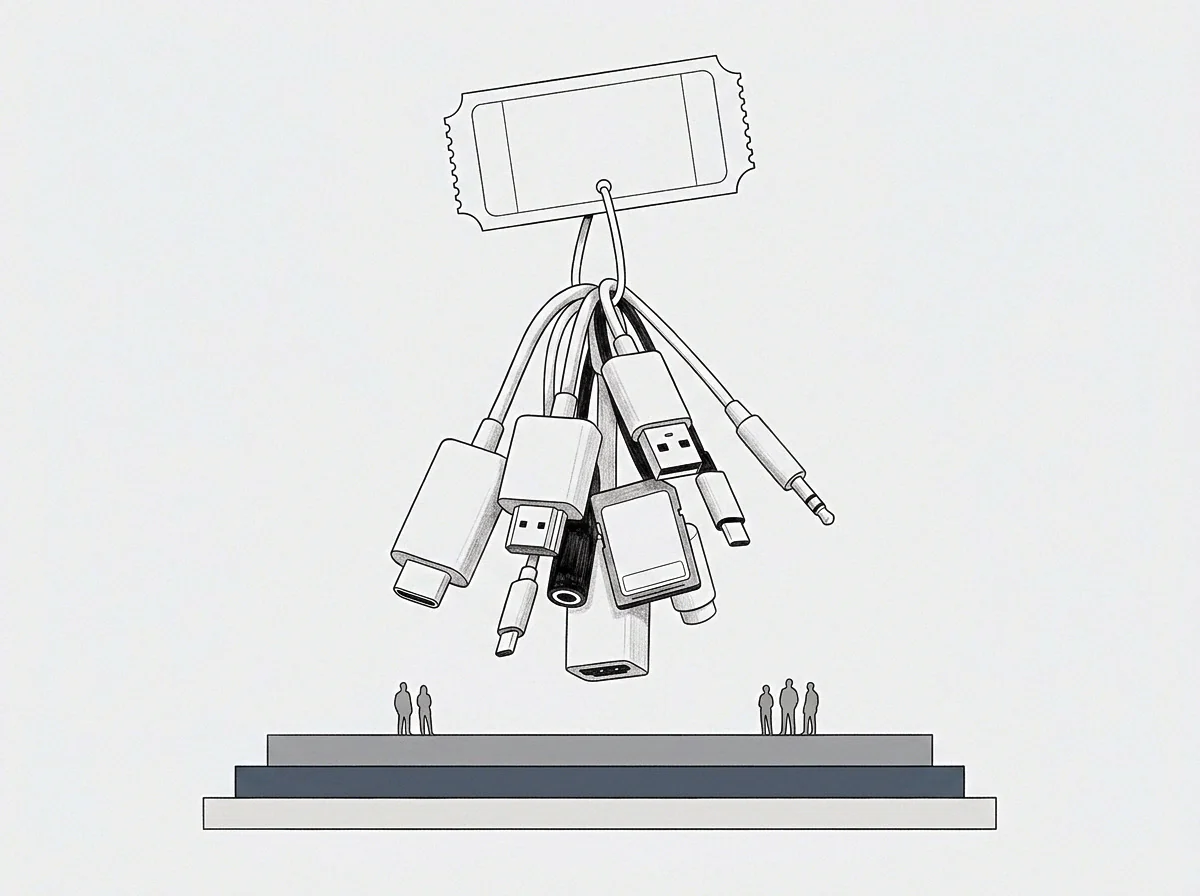
Scope
Resolving overlapping roles requires clear boundaries between seats. During rapid growth, executive functions must separate by operational cadence, decision horizon, and authority scope. The technician seat works on hourly and daily cycles to clear immediate technical bottlenecks.
The manager seat operates on weekly, monthly, and quarterly rhythms to keep teams aligned and work moving predictably. The governance seat operates on multi-year horizons, directing capital allocation and market strategy. Combining these different cadences into a single schedule creates constant internal friction.
| Seat Designation | Planning Horizon | Core Mandate | Authority Radius | Latent Failure Mode |
|---|---|---|---|---|
| Technician Seat | Hours to Days | Direct output craft and systems execution | Immediate task tools and mechanical pipelines | Bottlenecking team throughput via micro-interventions |
| Manager Seat | Weeks to Quarters | Operational resource distribution and staff coordination | Department workflows, team compensation, and hiring | Bureaucratic procedural paralysis and communication bloat |
| Governance Seat | Quarters to Years | Capital allocation, enterprise risk, and corporate direction | Balance sheet deployment, executive selection, legal structure | Strategic drift and sudden capital insolvency |
Operational stability develops when an enterprise defines these seats as formal structures rather than flexible personal roles. An executive who keeps the governance seat while handing the manager seat to an operating officer must step back from daily decisions completely. When governance overrides management, department heads lose authority.
Subordinates quickly learn to bypass direct supervisors to seek executive exemptions, undercutting management accountability across the company.
A seat left structurally undefined forces the person within it to govern through emergency intervention.
Consider a company expanding from thirty to one hundred and twenty software engineers over eighteen months. The technical executive insists on approving low-level code merges while also steering an international corporate restructuring. Code deployments stall for days waiting on review, while international legal filings stall because of missed calls.
Output drops, senior engineers leave, and cash reserves burn quickly. The failure comes from overlapping role boundaries rather than technical capability.
A department head assigned to run a division cannot manage effectively when executive leadership continually alters shift schedules prior to board meetings.

Transfer
Handing off an executive seat requires an orderly process rather than an abrupt step back. Executives often abandon routine duties suddenly, leaving operational gaps that disrupt daily work. In other cases, they delegate authority on paper while keeping informal veto power over minor decisions, undermining newly appointed managers.
A successful transition relies on clear documentation and verified operational handoffs.
- Formalize all unwritten administrative routines and approval processes into clear written records.
- Establish defined decision limits that outline capital spending caps and hiring authority for the incoming leader.
- Set up a joint sign-off period where the incoming manager runs daily operations while the executive observes without stepping in.
- Transfer legal and banking signing privileges to the new seat holder, removing channels for escalating routine matters.
- Shift executive presence away from daily status meetings so the new leader can build direct authority.
Unwritten operational knowledge is the main friction point during leadership transitions. An executive who has run a business for years holds hundreds of unwritten rules about client risk tolerance, vendor pricing flexibility, and team reliability. When that insight remains unshared, an incoming officer makes reasonable decisions that trigger unexpected executive intervention.
The executive must translate that practical intuition into written operating guidance before turning over the seat.
Operational authority exists only where an executive completely surrenders the power of casual tactical veto.
Studies on leadership succession in smaller companies show that defining management roles reduces staff turnover during transitions. These findings hold consistently across private businesses with annual revenues between five million and fifty million dollars, though high-growth technology sectors show more varied results. In fast-changing markets, overly rigid boundaries can sometimes slow down immediate adjustments.
A seat vacated on paper but defended in daily habit leaves an organization weaker than keeping control fully centralized.

Charter
Long-term operational stability develops when an enterprise documents executive seats within clear governing charters. A seat charter defines the primary mandate, expected outcomes, time allocations, and explicit authority boundaries. This documentation replaces ongoing personal negotiation between founders and professional managers.
By separating equity ownership from operational management, the charter protects company value from role confusion.
Drafting a charter requires clear structural precision. The document outlines what an executive manages, which resources the seat controls, and which decisions require board approval. It sets the specific metrics used to evaluate performance, removing subjective judgments about effort or alignment.
When an executive moves from active operations to a governance role, the charter sets the channels for ongoing oversight, replacing casual feedback with structured board meetings and formal reporting.
Enterprise scale turns every unstated governance assumption into an expensive operational failure.
Defining executive seats alters how ownership and management interact as a company grows. An owner holding forty percent equity who serves as a vice president must report to a chief executive holding five percent equity on daily execution. Operating under that distinction requires discipline.
When ownership status overrides management hierarchy, operational authority breaks down.
A governing charter prevents voting shareholders from altering department priorities without unanimous board approval, protecting management authority across all levels of the enterprise.