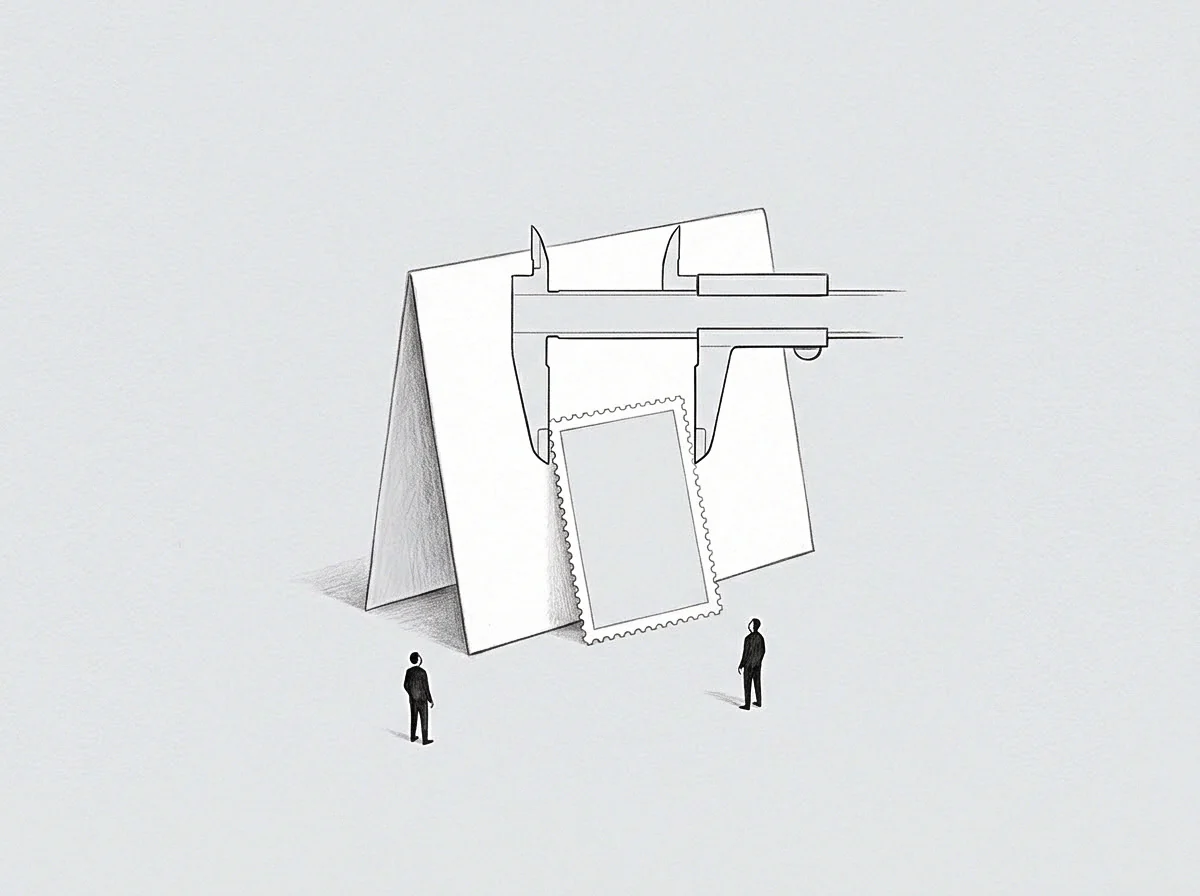
Meaning
Establishing a minimum balance of cash or liquid assets protects an organization from sudden financial shocks. Managers use a reserve threshold to protect the business from unforeseen market shifts or operational failures. This level is usually defined as a multiple of monthly expenses or a fixed percentage of total debt.
Staying above this line is a requirement for maintaining the health of the entity.
Liquidity Requirement
Cash flow is monitored to ensure that the available balance never drops below the required mark. When a reserve threshold is nearing, the management team must cut costs or find new sources of funding. The limit is a hard boundary that often appears in loan covenants or partnership agreements.
Failing to maintain the reserve can result in a technical default on debt.
Capital Allocation
Spending decisions are directly influenced by the amount of room available above the minimum. If a company has only a small margin, it cannot invest in long term research or acquire other firms. The reserve acts as a filter for every proposal.
This creates a cost in terms of lost opportunity for the founder, who might see a perfect chance to grow but lacks the free cash to take it. The threshold ensures that survival takes precedence over expansion.
Solvency Buffer
The primary purpose of the limit is to prevent insolvency. By keeping a set amount of capital out of reach, the firm can pay its employees and suppliers during a downturn. This buffer provides the time needed to restructure the business if the market changes.