Meaning
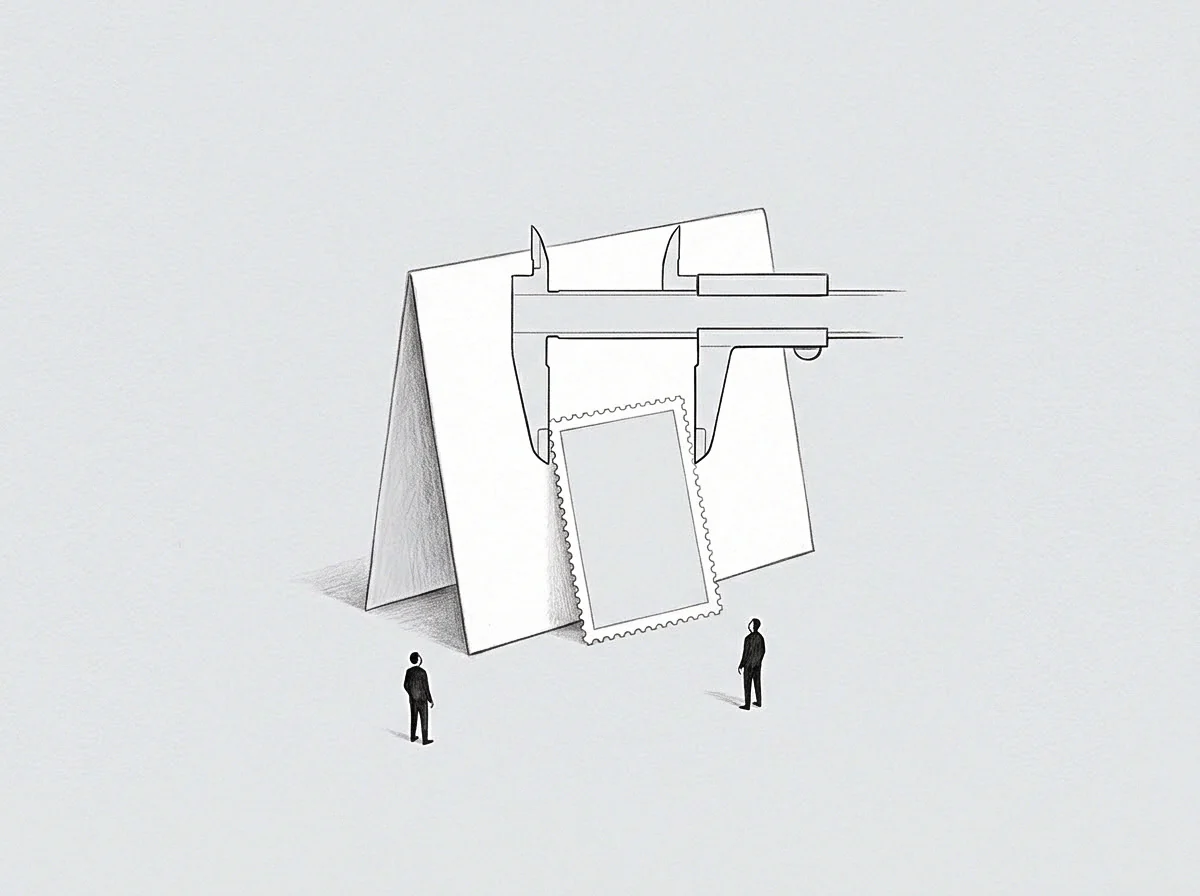
Structural failure within the governance hierarchy occurs when layer boundaries compress during rapid scaling phases. Class collapse happens when middle operational tiers flatten prematurely, forcing founders back into direct supervision roles they previously delegated. Executive capacity drains rapidly under this structural reversion because handling daily exceptions consumes hours intended for strategic positioning.
Operating margins degrade as founders absorb operational friction instead of maintaining enterprise altitude. Boundary conditions emerge around forty employees where informal communication channels break down under transactional volume.
Structural Compression
Hierarchical density defines the operational distance between strategic intent and frontline execution. Layer removal happens when intermediate management positions dissolve due to financial pressure or misguided efficiency drives. Decision latency spikes immediately because every operational dispute routes upward to the original founder.
Energy depletion follows as the individual stakeholder absorbs the cognitive load of a compressed organization. Communication pathways shorten artificially, yet executive attention fractures under the resulting volume of operational interruptions.
Supervisory Reversion
Operational gravity pulls founders downward into tactical oversight when organizational scaffolding fails. Oversight recovery demands hours of direct intervention in routine customer service and internal scheduling disputes. Attention fragmentation prevents long-term capital allocation while daily fires consume available cognitive capacity.
Financial overhead remains superficially low because headcount stays lean, but the hidden cost manifests in missed market opportunities. Decision quality deteriorates as exhaustion replaces systematic analysis during recurrent crisis management episodes.
Capacity Recovery
Structural restoration requires intentional rebuilding of management layers to absorb operational complexity. Delegation boundaries must be reestablished through formal protocols that prevent direct escalation to the executive suite. Time reclamation occurs only when intermediate leaders receive explicit authority to resolve operational anomalies without founder approval.
Systemic resilience returns once organizational depth shields executive attention from daily transactional noise.