Meaning
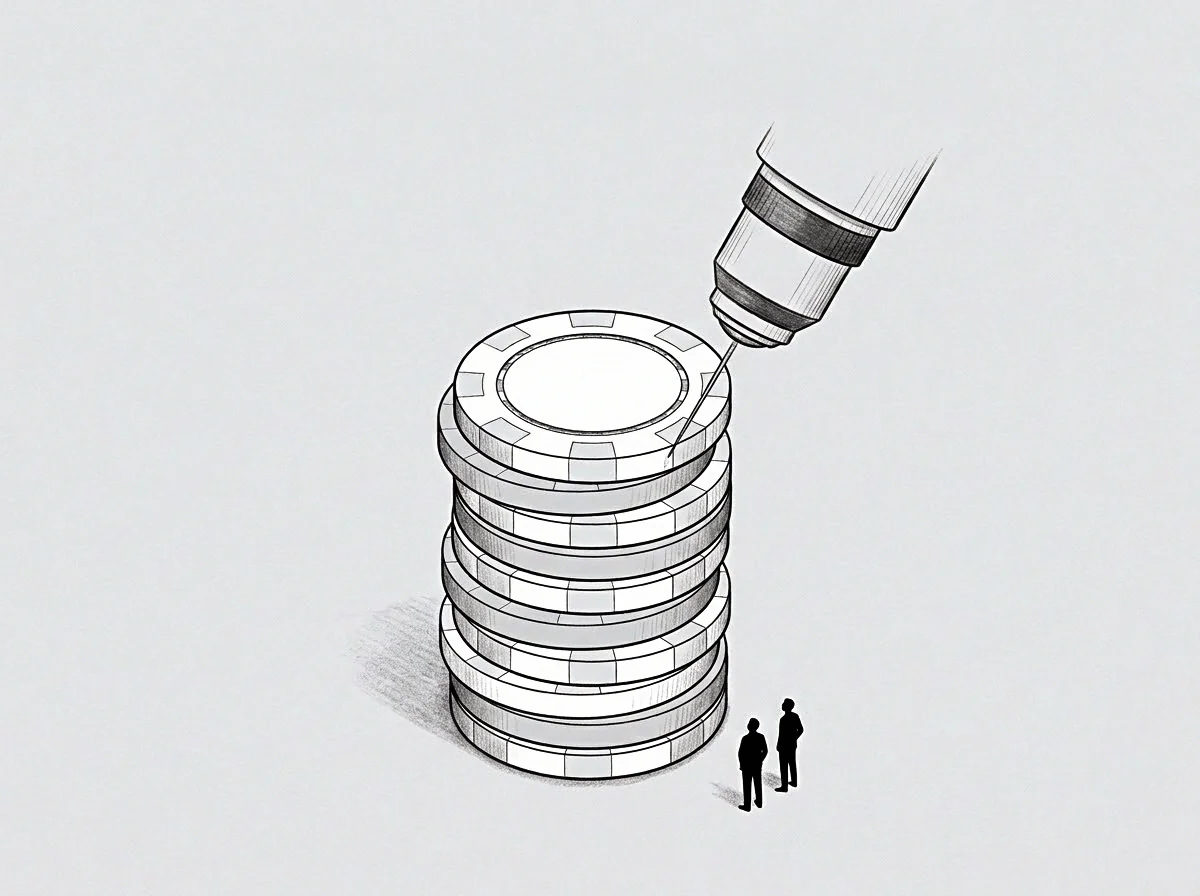
Financial process aggregates resources from investors or internal profits to build the productive base of a business. Successful capital formation allows a founder to scale operations beyond the limits of personal savings. The boundary of this process is reached when the cost of new funds exceeds the marginal return on the investment.
Funding Mechanism
Reaching out to venture capitalists or issuing debt creates the necessary pool of money for expansion. During capital formation, the founder trades future ownership for current capacity. This exchange shifts the seat from total owner to a shared governance model.
Equity Price
Dilution is the primary cost for a founder who chooses to raise external funds. While capital formation increases the total value of the firm, it reduces the percentage of the company the individual holds. Managing this trade requires extensive hours and emotional energy.
Liquidity Event
Strategic planning for a sale or initial public offering marks the final stage of this cycle. Results of capital formation are measured when the founder finally exits the seat and converts equity into cash. If the business fails to grow, the original investment is lost and the time spent is uncompensated.
This stage demands a high level of focus on market conditions and regulatory filings to ensure the transfer of value is executed correctly.