
Preserving Contractual Executive Autonomy Against Active Majority Shareholder Capitulation And Informal Operational Interference
Executive autonomy is preserved by codifying operational boundaries in employment agreements and routing all shareholder directives through recorded board votes.

Bolt
An unscheduled text message arrives past midnight asking to strip a product feature before the morning sales cycle. The investor sending it holds sixty percent of voting equity but no operating title. If an operator complies without formal governance documentation, real authority shifts permanently from the employment contract into informal messaging channels.
Ownership functions through statutory vote totals, while management operates through delegated executive authority codified in bylaws.
Founders often enter this friction during funding rounds where they surrender majority voting equity for growth capital. What remains in the founder seat is strictly executive office: chief executive, president, or managing director. That role derives its daily authority from the employment agreement and the delegation schedule approved by the board of directors, assigning execution to officers while equity holds ownership rights.
A voting majority grants authority to replace executive officers at a convened meeting under statutory notice, but gives no unilateral right to direct operational tasks between those sessions.
Informal interference happens when a controlling owner sidesteps governance structures to instruct staff directly, renegotiate vendor deals, or reverse product decisions without a board resolution. Capitulation occurs when that majority shareholder, facing pressure from an external creditor, customer, or secondary investor, attempts to force managerial concessions without formal corporate action. The executive caught in the middle faces immediate fiduciary risks: executing contradictory directives, breaching third-party contracts, and surrendering operational autonomy.

Structural Separation of Capital and Executive Command
Corporation statutes across common-law jurisdictions separate equity ownership from daily asset management. Shareholders elect the board, vote on extraordinary transactions like mergers or dissolution, and receive residual returns. The board selects executives, approves budgets, and maintains formal oversight, while the executive holds operational control—directing employees, signing routine contracts, and executing strategy within agreed budgetary thresholds.
Informal channels erode these lines. When a majority owner gives operational commands outside board meetings, legal boundaries blur. An executive who yields to informal pressure without written resolutions incurs personal liability under standard care covenants.
Meanwhile, the investor avoids the fiduciary accountability attached to board seats, shifting operational risk onto the executive while stripping away the authority defined in their employment agreement.
Preserving this autonomy depends on how the executive agreement is constructed. Defining cause termination, specifying explicit operational competencies, and setting up formal channels for shareholder instructions renders informal operational demands contractually ineffective.
Drift
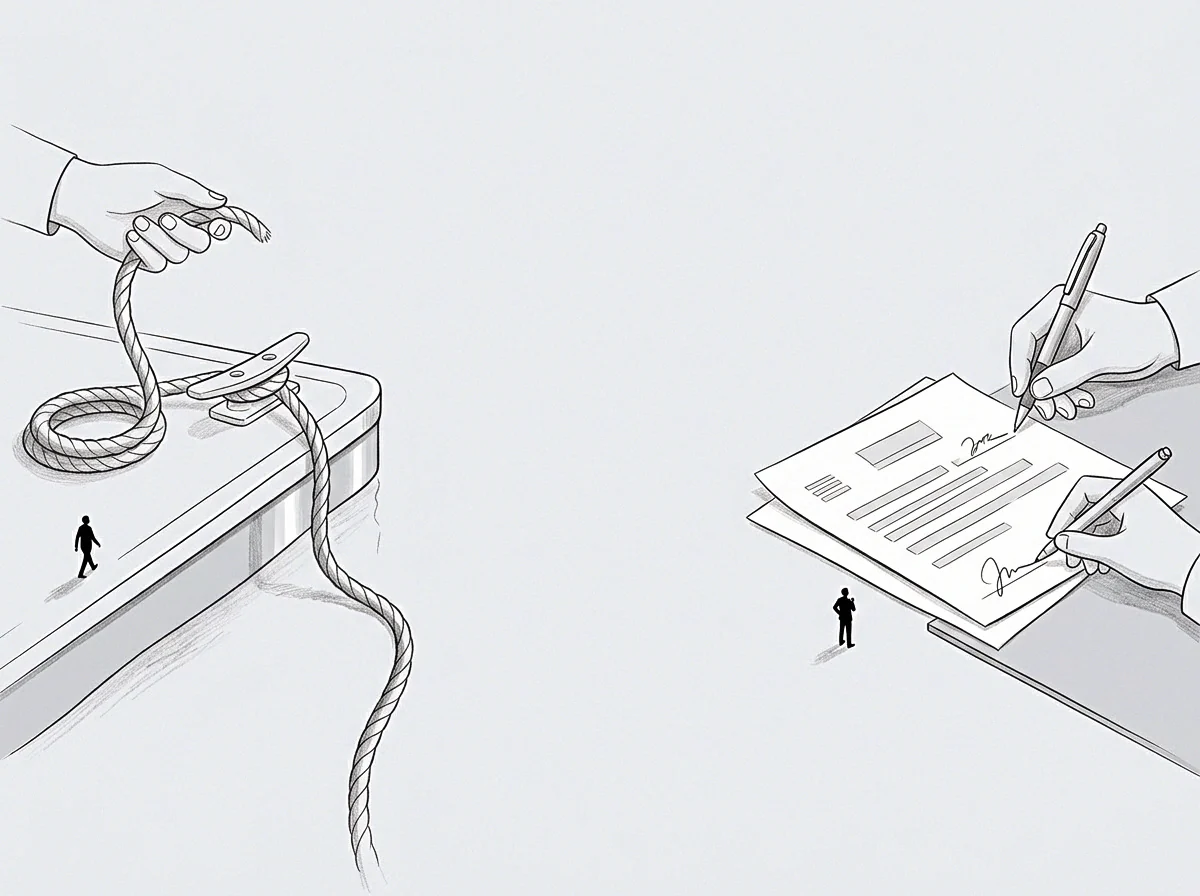
Operational erosion happens through minor, unrecorded concessions rather than dramatic corporate confrontations. An investor asks for an exception on a favored account, requests early product roadmaps, or suggests staffing changes over an informal phone call. The operator absorbs the friction, but each accepted intrusion sets a precedent that weakens the executive’s contractual mandate.
Informal interference moves through predictable organizational vectors when majority shareholders bypass governance channels:
- Direct staff mobilization occurs when an owner bypasses the executive to assign tasks to engineering or marketing teams, fracturing the chain of command.
- Commercial vendor renegotiation takes place through private owner interventions with suppliers, voiding executive procurement terms and exposing the company to revised pricing schedules.
- Informal hiring commitments develop when majority owners extend unapproved compensation offers to candidates, creating unauthorized liabilities on the balance sheet.
- Strategic roadmap preemption happens when commercial promises are made directly to major customers without engineering consultation, forcing executive resources toward unplanned deadlines.
These actions take a heavy toll. When staff receive conflicting instructions from their executive and an owner holding controlling equity, work slows while internal politics multiply. The executive ends up spending hours arbitrating conflicting loyalties among managers instead of driving strategy.
Contractual authority collapses the moment an informal instruction is executed without written ratification by the board.
Because silence carries implicit assent, when an executive yields to off-record instructions, the controlling owner treats executive autonomy as a temporary courtesy rather than an enforceable condition, letting unwritten concessions quickly harden into precedent.
Continued capitulation leads to executive burnout, widespread operational confusion, and the collapse of accountability across senior leadership.
Divide
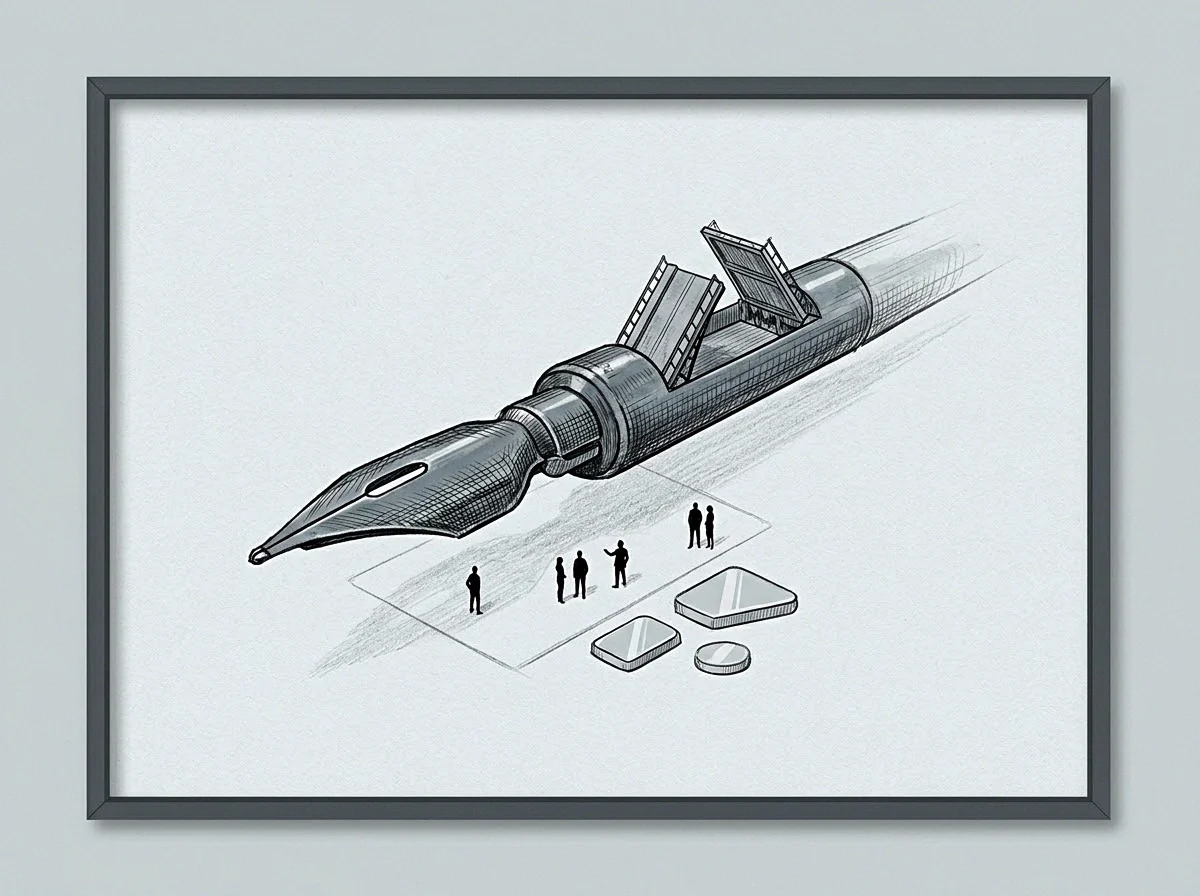
Corporate stability depends on drawing a clear line between legitimate shareholder prerogatives and unauthorized management intervention. Investors frequently confuse majority ownership with immediate operational authority, assuming that control of equity permits direct command. Delaware corporate law and similar international frameworks make clear that individual shareholders, regardless of ownership percentage, have no inherent authority to act as corporate agents without explicit board authorization.

Whose Operational Command Overrides Shareholder Directives?
Operational leadership rests entirely with the chief executive and designated officers. A controlling shareholder possesses only voting power exercised during formal shareholder meetings or through written consent where permitted by charter documents. The table below outlines the divide between legitimate oversight and operational interference across daily management areas.
| Operational Dimension | Legitimate Governance Authority | Informal Operational Interference | Executive Autonomy Protection |
|---|---|---|---|
| Personnel and Staffing | Approves executive equity pools and senior officer compensation plans at the board level. | Directs the hiring, promotion, or termination of non-officer personnel via informal messages. | Sole contractual right to recruit, direct, and discharge operating staff below board appointments. |
| Product and Engineering | Authorizes annual capital allocations and multi-year strategic enterprise plans. | Demands feature rollbacks, timeline changes, or code modifications directly to tech teams. | Full executive discretion over product sprints, architecture decisions, and roadmap priorities. |
| Vendor and Customer Contracts | Establishes enterprise signature authority policy and spending limits above stated dollar thresholds. | Instructs operational executives to sign, alter, or cancel vendor agreements beneath statutory limits. | Unilateral authority to bind the enterprise within the board-approved annual budget limits. |
| External Communication | Participates in scheduled investor conferences and approves regulatory disclosure filings. | Delivers unilateral public statements, partnership announcements, or press commitments. | Exclusive operational mandate to direct commercial messaging, sales pipeline, and public releases. |
Pressure for operational deference intensifies when majority owners face their own liquidity squeezes or fund-level performance demands. When an owner buckles under pressure from a bank or secondary investor, they invariably try to pass that stress down into the company’s daily operations.
Informal directives bypass fiduciary duty: when an investor pushes the business into unilateral vendor concessions to save an outside commercial relationship, they compromise the corporation’s legal standing and leave the executive holding operational risk.
When an owner views the business as operating at their personal financial hazard, they often argue that their operational direction takes precedence over contractual titles.

Buffer
Defending executive authority requires deliberate contract structure established during initial investment rounds or corporate restructurings. The executive employment agreement must work alongside governance documents to withstand owner pressure during market downturns, as goodwill alone cannot protect operational autonomy.

Drafting Enforceable Operational Boundaries
To reduce operational drag, an effective executive employment agreement incorporates protective mechanics that isolate operational command from informal investor manipulation:
- Exclusive Operational Purview Clauses define the executive’s explicit authority over hiring, operational budgets, internal architecture, and daily trade negotiations.
- Formal Instruction Protocols require any owner communication touching operations to pass through the board of directors as a formal written request.
- Constructive Discharge Provisions trigger golden parachute severances and immediate equity acceleration if the board or majority owners materially alter operational authority.
- Board Action Exclusivity establishes that only formal board resolutions, carried through statutory voting protocols, constitute binding operational policy.
While the employment agreement sets scope, if a controlling shareholder bypasses these protocols to contact line staff, the executive should deliver written notice of governance deviation. This response restates contractual boundaries, directs the investor to submit requests through formal board channels, and instructs internal staff to execute only authorized executive directives.
When majority shareholders demand operational compliance without a recorded board resolution, the executive who pauses execution preserves enterprise governance.
Paper records establish structural intent, recognizing that every unrecorded instruction incurs friction. An executive who creates contemporaneous written notes for informal requests protects their position against subsequent claims of insubordination or mismanagement.
Every operational instruction without a recorded board vote is merely an advisory opinion.

Helm
Holding executive office under an activist majority shareholder demands continuous boundary enforcement. Pressure to concede operational ground peaks during moments of vulnerability—missed quarters, fundraising delays, or lost customers—when an owner’s first impulse is to grab the controls directly, overriding established authority to implement personal preferences.
Formal boundaries protect executive capacity, whereas an executive who yields to maintain harmony soon finds that accountability remains on their shoulders while authority vanishes. When an unauthorized product change fails or a disrupted supplier relationship triggers litigation, the controlling shareholder typically disclaims informal involvement, holding the executive strictly liable for the loss.
Resolving this friction requires absolute clarity. The executive serves as a fiduciary to the corporation itself, not as an assistant managing a majority shareholder’s anxieties. If an activist owner insists on taking control, they must exercise their statutory voting power to formally remove the officer, pay negotiated severance entitlements, and assume full legal liability for the executive role in public view.
Whether an executive can sustain operational autonomy through multi-year capital cycles without surrendering control or triggering a constructive discharge ultimately depends on the leverage established in the founding charter agreements.