
Contractual Isolation Of Acquirer Integration Drag Against Tacit Executive Heuristic Loss In Earn Outs
Contractual isolation shields acquired subsidiary operations from acquirer integration drag, preserving tacit founder heuristics and protecting earn-out milestone targets.

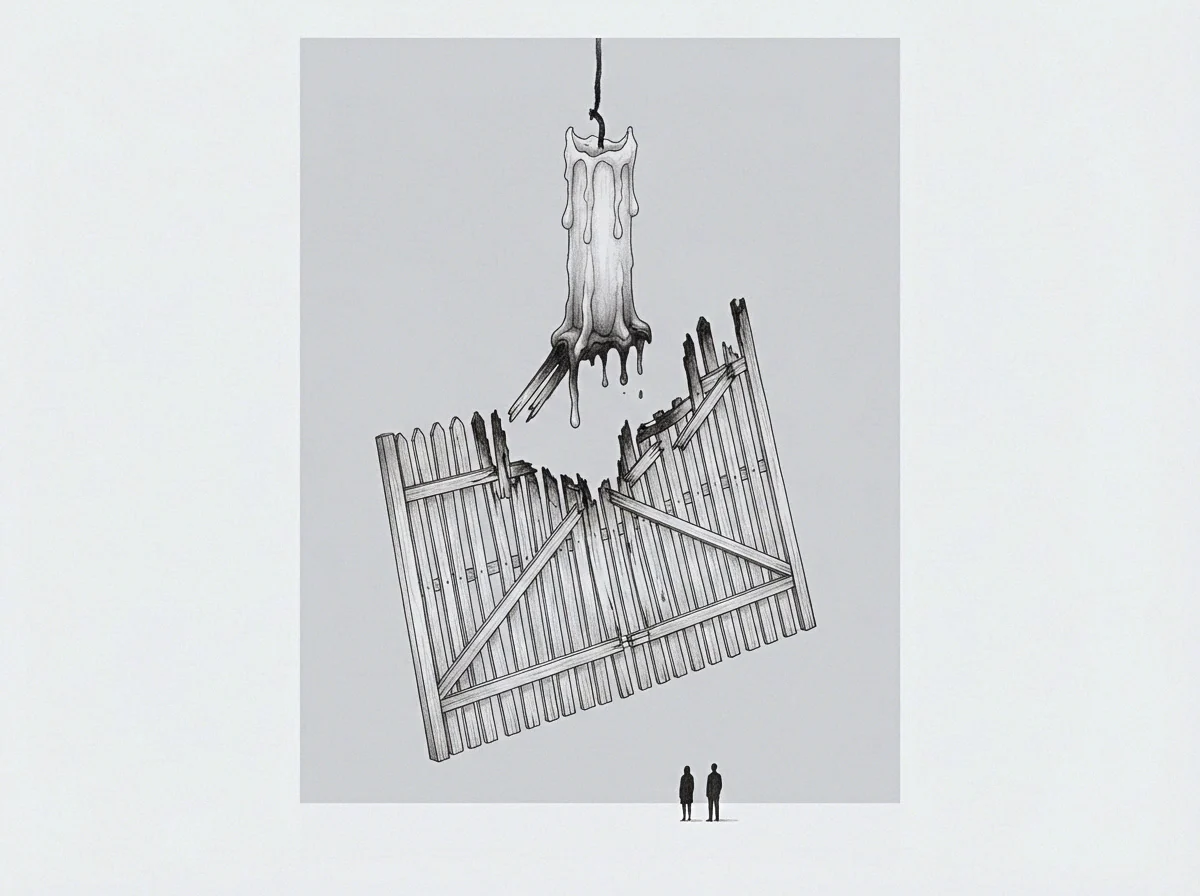
Fence
An executive sits at a desk at midnight, reviewing an acquirer’s enterprise ticketing system while a major software renewal deadline passes without approval. The corporate buyer mandates central procurement sign-offs for all contracts exceeding fifty thousand dollars, halting a customer negotiation that previously required five minutes of informal executive clearance. Meanwhile, the acquisition agreement contains a three-year earn-out structure requiring twenty percent annualized growth in earnings before interest, taxes, depreciation, and amortization.
The operating unit faces immediate performance degradation caused by central administrative friction imposed during post-merger governance.
Isolation mechanisms establish legal and operational perimeters around acquired corporate entities throughout contingent payment periods. When parent organizations absorb acquired businesses, enterprise management practices introduce reporting pipelines, compliance protocols, and centralized human resource workflows. These integration activities divert executive focus from core revenue generation toward administrative alignment.
Operational perimeters shield target leadership from corporate integration efforts, preserving the specific working conditions that enabled historical business performance.
The imposition of mandatory corporate governance frameworks upon an acquired operating unit directly reduces earnings capacity during contingent payout periods.

Operational Perimeters During Earn Out Windows
Defining an operational perimeter requires establishing clear boundaries regarding management authority, accounting systems, and reporting lines. Corporate buyers often seek immediate harmonization of operational infrastructure to achieve cost efficiencies across subsidiaries. That harmonization forces target executives to adapt to unfamiliar enterprise systems, operational taxonomies, and approval hierarchies.
The resulting administrative friction reduces transaction processing speed and delays product deployment schedules. Contractual perimeter clauses counter this structural drag by ring-fencing the subsidiary’s operational assets and decision frameworks.
Assume an acquired entity generating ten million dollars in annual revenue sells to a consolidated enterprise buyer under a three-year earn-out schedule. The purchase agreement conditions fifty percent of deferred equity compensation on achieving specific financial thresholds. In year one, the parent organization mandates the migration of custom billing architecture into corporate infrastructure.
The migration consumes six hundred executive hours, stalls engineering roadmaps for two financial quarters, and creates systemic billing errors that delay cash collections. Financial targets remain fixed despite structural operational delays caused by the parent company.

The Friction of Parent Corporate Overhead
Shared corporate overhead allocations present a secondary operational challenge to earned payout targets. Acquirers frequently reallocate centralized expenses, including corporate legal retainers, brand marketing campaigns, enterprise software licensing, and executive management fees, onto subsidiary financial ledgers. These non-operational expense allocations compress operating margins and artificially depress financial metrics used to calculate earn-out milestones.
Legal drafting addresses expense allocations through strict operational containment covenants. These covenants explicitly bar acquirers from assessing indirect administrative expenses against the subsidiary ledger during earn-out measurement periods. Operating capacity drops immediately when parent administrative demands overload subsidiary leadership teams.
Unprotected earn-out agreements allow buyer integration efforts to erode subsidiary operating margins, transferring financial risk to selling shareholders.

Heuristics
Tacit executive knowledge consists of unwritten decision rules, pattern recognition loops, custom relationship management practices, and informal operational authority developed across years of business operations. When corporate acquirers acquire closely held businesses, buyers frequently attempt to formalize these implicit operating models into standardized corporate software, detailed operating manuals, and matrix management chains. Replacing implicit executive decision systems with explicit corporate governance disrupts the precise operational mechanisms driving target profitability.
Informal decision loops allow founding executives to evaluate market opportunities and execute strategic pivots without administrative delay. Corporate integration replaces informal authority with structured matrix approval hierarchies, cross-departmental reviews, and risk management committees. The transition from individual decision rights to corporate committee oversight creates decision latency, preventing target operations from responding to market shifts.
Executive performance in closely held firms relies upon specific operational rights and direct authority over internal resource allocation. The following decision rights maintain operational speed during corporate transitions:
- Informal client triage permits immediate pricing adjustments for key client renewals without corporate pricing committee intervention.
- Direct vendor negotiation loops utilize executive reputation and rapid payment authorization rather than centralized corporate compliance procurement routines.
- Opportunistic product scoping bypasses formal quarterly product roadmaps to secure immediate enterprise customer contracts.
- Targeted talent retention authority enables immediate compensation adjustments to prevent key technical staff departures during competitive hiring threats.

Tacit Knowledge and Informal Decision Loops
Loss of implicit executive decision rights directly degrades business unit agility. Founding executives maintain unwritten models regarding customer risk, product delivery trade-offs, and internal operational bottlenecks. Corporate acquirers often misinterpret these implicit heuristics as operational inefficiencies requiring standardization.
Standardizing informal procedures into corporate workflows removes executive discretion, forcing operational decisions through rigid corporate structures.
Decision latency increases rapidly when implicit rules undergo corporate formalization. The time required to close key sales contracts, approve custom engineering modifications, or hire specialized operational talent doubles under centralized corporate oversight. This latency reduces business speed, directly impairing financial metrics tied to earn-out milestones.
Stripping informal decision authority from target leadership during earn-out windows systematically degrades business agility and financial output.

The Erosion of Unwritten Executive Authority
Corporate matrix management systems split executive reporting lines between internal target objectives and corporate functional leadership. Subsidiary executives find their operational directives subject to approval by corporate vice presidents who lack detailed understanding of target market dynamics. Informational asymmetries between corporate managers and target leaders create friction during operational reviews.
Tacit rules govern employee retention and operational culture within acquired subsidiaries. Imposing corporate human resource policies, structured pay grades, and centralized performance management tools disrupts established informal compensation arrangements. Key staff members who rely on flexible incentive structures leave the business when corporate management imposes standard employee classifications.
Loss of key technical personnel damages operational execution and erodes revenue pipelines necessary for earn-out completion.
The acquiring organization expected the founder to maintain historical growth metrics while using corporate procurement systems, standardized matrix approvals, and centralized reporting structures.

Tax
Integration drag represents an administrative levy imposed by parent organizations on subsidiary operational velocity. Corporate consolidation activities demand substantial executive time, operational capacity, and internal bandwidth. When acquirers require subsidiary leadership to participate in enterprise integration initiatives, executive attention shifts from commercial execution toward internal corporate reporting.
This reallocation of attention creates measurable operating losses within the target business.
Centralized corporate directives impose recurring compliance demands upon acquired operational units. Subsidiary management must prepare monthly corporate reporting decks, participate in regional cross-functional committees, complete corporate governance training modules, and align financial records with complex accounting standards. Executive capacity reaches zero as administrative duties consume available operating hours.

What Measures Quantify Acquirer Integration Drag?
Measuring integration drag involves tracking executive time allocation, transaction cycle times, and margin compression attributable to corporate compliance requirements. Comparing pre-acquisition operating metrics against post-acquisition performance data reveals the operational cost of corporate governance routines. When administrative compliance demands increase, core business metrics show immediate signs of operational slowdown.
System migrations represent a major source of operational friction during integration periods. Mandatory transitions to corporate enterprise resource planning tools disrupt subsidiary sales operations, inventory tracking, and client invoicing routines. Customer onboarding cycles extend significantly while operating teams struggle with non-native software architectures.
Mandatory administrative alignment with parent enterprise software directly correlates with extended operational cycle times in acquired subsidiaries.

Resource Redirection and Operational Speed Loss
Resource redirection occurs when acquirers redeploy subsidiary engineering, sales, or administrative staff toward broader corporate initiatives. Subsidiary technical teams may be tasked with integrating product codebases into parent enterprise platforms, pulling resources away from subsidiary client projects. This diversion of talent damages customer satisfaction scores and reduces billable project delivery capacity.
Reporting cycles consume hours that were historically spent on customer acquisition and service delivery. Executives spend consecutive days preparing performance variance reports for corporate boards rather than managing operational teams. Integration friction slows growth across all core commercial metrics.
What structural accounting adjustments accurately separate the loss of revenue caused by forced corporate system migrations from the losses driven by shifts in underlying market demand?
Covenants
Contractual isolation techniques utilize explicit negative covenants, affirmative operational grants, and financial firewalls within purchase and sale agreements to protect target autonomy. Transaction attorneys draft operating covenants specifically to restrict acquirer interference during earn-out performance periods. These legal provisions establish binding operational boundaries, preserving executive authority over core business decisions, budget allocations, and human resource management.
Operational autonomy clauses establish legal protection against corporate integration drag. By specifying that target management retains sole operational discretion over daily business activities, contractual isolation frameworks limit parent corporate oversight. The following comparative overview outlines structural operational terms versus isolated operating covenant provisions across key business vectors:
| Operational Vector | Standard Earn-Out Terms | Isolated Operating Covenant Terms |
|---|---|---|
| Spending Authority | Subject to corporate capital expenditure thresholds and parent approval loops. | Independent budget authority up to pre-approved annual operating plans. |
| Systems Infrastructure | Mandatory migration to corporate enterprise tools within twelve months. | Complete freeze on system consolidation until earn-out expiration. |
| Overhead Allocations | Corporate central administrative expenses assessed against target EBITDA. | Absolute prohibition on non-direct parent expense allocations. |
| Personnel Decisions | Corporate HR oversight on hiring, compensation, and termination policies. | Unilateral subsidiary executive control over hiring and incentive structures. |
| Pricing Discretion | Requires corporate committee sign-off for custom pricing tiers. | Full executive discretion over customer contract terms and discounts. |

Contractual Isolation Clauses and Operational Boundaries
Drafting effective contractual isolation provisions requires granular specification of prohibited acquirer actions. Broad commitments to allow founders operational control regularly fail during post-closing disputes. Protective agreements explicitly enumerate restricted activities, preventing acquirers from altering sales territories, restructuring compensation plans, or reassigning key subsidiary personnel without written executive consent.
Financial baseline covenants ensure earn-out metrics remain uncorrupted by post-closing accounting changes. Acquirers frequently attempt to modify revenue recognition policies or depreciation schedules after closing, changing the financial baseline used to calculate payout targets. Contractual isolation clauses lock accounting methodologies to those utilized in historical financial statements prior to acquisition.
Operational autonomy covenants must explicitly bar acquirers from modifying accounting rules or assessing centralized administrative charges during earn-out windows.

Comparing Autonomy Frameworks in Earn Out Structures
Structuring operational firewalls involves establishing sequential legal protections that govern business operations post-closing. Implementation follows a defined logical sequence:
- Draft explicit operational autonomy covenants restricting parent management intervention in daily business decisions.
- Establish financial firewalls that exclude allocated corporate overhead expenses from earn-out EBITDA calculations.
- Secure sole decision authority over product development roadmaps, commercial pricing structures, and vendor contracts.
- Define specific remedies and automatic earn-out acceleration triggers for material breaches of autonomy provisions.
Autonomy clauses define authority by locking operational parameters to pre-acquisition standards, preventing buyer interference from depressing financial earn-out metrics. Execution of legal firewalls forces acquiring entities to honor operating independence commitments throughout the earn-out period. Section 8.04 of the transaction agreement explicitly conditions earn-out target adjustments upon any breach of the buyer’s operational non-interference covenant.

Breach
Breach of contractual isolation covenants creates immediate legal and operational remedies for selling shareholders. When an acquirer violates operational independence provisions by imposing central systems, forcing integration initiatives, or reallocating target resources, target executives gain grounds for contract enforcement or damages claims. Delaware chancery court decisions frequently focus on whether buyer actions breached contractual obligations to avoid unreasonably interfering with the target’s ability to achieve earn-out milestones.
Proving integration drag requires establishing a clear causal link between buyer interference and depressed subsidiary financial performance. Courts examine internal email correspondence, project management schedules, and executive calendar logs to determine whether buyer integration demands prevented target leadership from achieving financial targets. Evidentiary records demonstrating substantial executive time spent on mandatory corporate integration projects support claims for damages or earn-out acceleration.

Enforcement and Dispute Mechanisms in Autonomy Violations
Legal remedies for breach of isolation covenants range from monetary damages to judicial acceleration of unpaid earn-out consideration. Payout acceleration provisions automatically trigger full payment of contingent consideration if the acquirer materially violates operational autonomy terms. Including explicit acceleration clauses shifts litigation leverage toward selling shareholders, discouraging acquirers from unilateral integration efforts during performance windows.
Arbitration resolves covenant disputes when contract structures incorporate mandatory alternative dispute resolution mechanisms. Specialized transaction arbitrators evaluate accounting adjustments, operational drag metrics, and executive interference claims more rapidly than standard court proceedings. Detailed dispute resolution clauses ensure operational claims receive expert financial evaluation.

Earn Out Recalculation and Executive Role Strain
Earn-out recalculation mechanisms recalculate financial achievements by restoring lost revenue and reversing improper cost allocations caused by acquirer integration activities. Forensic accountants re-evaluate subsidiary ledgers, stripping out corporate overhead charges and adding back lost billable hours attributable to mandatory corporate meetings. Recalculated financial statements provide the basis for adjusted earn-out payouts.
Post-transaction role strain affects founding executives trapped between corporate compliance demands and contractual earn-out targets. Executives experience professional exhaustion when forced to manage corporate reporting expectations while defending subsidiary operational speed. Stated contract terms provide the sole legal mechanism to resolve this structural conflict, protecting selling executives from uncompensated operational drag.