
Fiduciary Obligations Of Shareholders Facing Senior Creditor Board Reassignment In Pre Insolvency Restructuring
Senior creditors enforce voting proxies upon default, shifting board control away from shareholders who risk shadow directorship by interfering.

Pledge

Senior Security Instruments and Voting Rights Acceleration
Credit facilities in distressed corporate capital structures routinely separate legal shareholding from governing authority long before formal bankruptcy filings occur. When an obligor approaches insolvency, the credit agreement, mezzanine indenture, or security trust deed operates through an irrevocable power of attorney coupled with a share charge. This structure leaves the equity register formally unaltered while stripping the economic equity holder of appointing power.
The transition executes upon a declared event of default. The collateral agent serves an acceleration notice, activates voting proxies, and delivers notice to the enterprise registration office. At this exact juncture, junior equity holders lose the statutory authority to seat directors, approve distressed dispositions, or block operational handovers.
Under an executed share charge, voting appointment authority passes to the secured creditor immediately upon formal default certification.
This transfer reveals an operational split inside corporate governance. The equity holder retains residual balance-sheet economics, yet those economics carry zero administrative weight. The lender exercises negative covenants, replaces recalcitrant managers, and seats turnaround advisors directly into board positions.
Shareholders often attempt to counteract this mechanism by convening emergency shareholder assemblies to alter corporate bylaws, expand board sizes, or inject dilutive stock issuances. Secured lenders respond by seeking injunctive relief grounded in the specific negative pledge clauses of the collateral agreement.
The voting proxy clause transfers all administrative governance directly to the secured lender, extinguishing the member’s right to install competing fiduciaries once default notices enter the corporate record.

Chair

Independent Turnaround Directors and Corporate Constituency Shifts
The appointment of crisis management professionals alters the governing dynamic inside the corporate conference space. Independent turnaround directors take assignments through secured lender lists rather than shareholder nomination committees. Their primary legal obligation requires navigating the company away from value destruction, regardless of junior equity preference.
When the corporation operates inside the zone of pre-insolvency distress, directorship allegiance shifts toward the enterprise as a whole. Preserving enterprise value replaces equity upside optimization. The shareholder who previously directed executive strategy finds their instructions ignored during board sessions.
Turnaround fiduciaries evaluate every cash expenditure against liquidation recovery benchmarks. Marketing budgets shrink. Capital expansion freezes.
Trade accounts receive scheduled prorated payments under structured forbearance terms. The owner’s operational thesis terminates.
Tension peaks when secured lenders demand an accelerated pre-packaged sale or debt-for-equity swap. Equity holders typically demand delay, hoping for speculative revenue recovery or external equity capital injection. Independent directors routinely reject these delay tactics, citing their personal exposure to wrongful trading liabilities.
The resulting operational friction appears across the allocation of corporate authority during pre-insolvency board proceedings:
| Governance Dimension | Equity Holder Authority | Turnaround Board Mandate | Senior Creditor Control |
|---|---|---|---|
| Board Composition | Subject to voting proxy forfeiture | Appointed under restructuring covenants | Enforces negative pledges and seat rights |
| Capital Allocations | Restricted by default standstill clauses | Conserves liquidity for operations | Monitors cash disbursements weekly |
| Strategic Exit Process | Excluded from valuation negotiations | Executes value-maximizing transactions | Dictates credit bidding parameters |
| Fiduciary Beneficiary | Residual claim extinguished upon insolvency | Enterprise creditors and corporate estate | Contractual enforcement of security terms |
The board will execute the restructuring agreement because delay burns the cash collateral preserving enterprise survival.

Duty

Shareholder Conduct and Shadow Directorship Liabilities
Legal doctrine across major commercial jurisdictions holds that ordinary shareholders owe no overarching fiduciary obligation to fellow members or corporate creditors. Shareholders vote in their own economic interest. They may decline to contribute capital, vote against voluntary liquidations, or refuse consensual balance-sheet realignments without breaching statutory obligations.
This insulation collapses when equity holders intervene directly in executive functions following creditor board installation. When a controlling shareholder gives unrecorded instructions to incoming turnaround officers, directs vendors behind the board’s back, or diverts working capital, courts categorize that shareholder as a shadow director. Shadow status attaches automatic statutory fiduciary liabilities under corporate insolvency statutes.
A shareholder crossing from passive stockholding into direct operational command inherits the comprehensive fiduciary liabilities of a de jure director.
The transition exposes personal wealth. A former founder who refuses to surrender treasury credentials, continues authorizing payments, or interferes with creditor-led asset appraisals exposes themselves to misfeasance actions and unlawful preference claims.
Restructuring scenarios create distinct behavioral liabilities for controlling equity participants:
- Interference With Security Enforcement occurs when equity sponsors file bad-faith defensive litigation specifically designed to delay collateral perfection, exposing principals to direct tortious interference damages.
- Asset Stripping Transactions involve extracting proprietary software, technical documentation, or client goodwill into separate sponsor-owned vehicles ahead of creditor asset auctions, triggering fraudulent conveyance proceedings.
- Usurpation of Corporate Opportunity emerges when owners divert pending corporate contracts to unencumbered peripheral affiliates during board restructuring debates, creating immediate fiduciary disgorgement liabilities.
- Subordinated Debt Manipulation happens when equity holders attempt to accelerate insider loans ahead of third-party trade credit settlements, precipitating equitable subordination orders.
The central uncertainty remains whether an equity holder voting purely in their capacity as a secured debt participant retains standard shareholder immunity or faces heightened duties toward unsecured trade creditors during cross-class cramdowns.
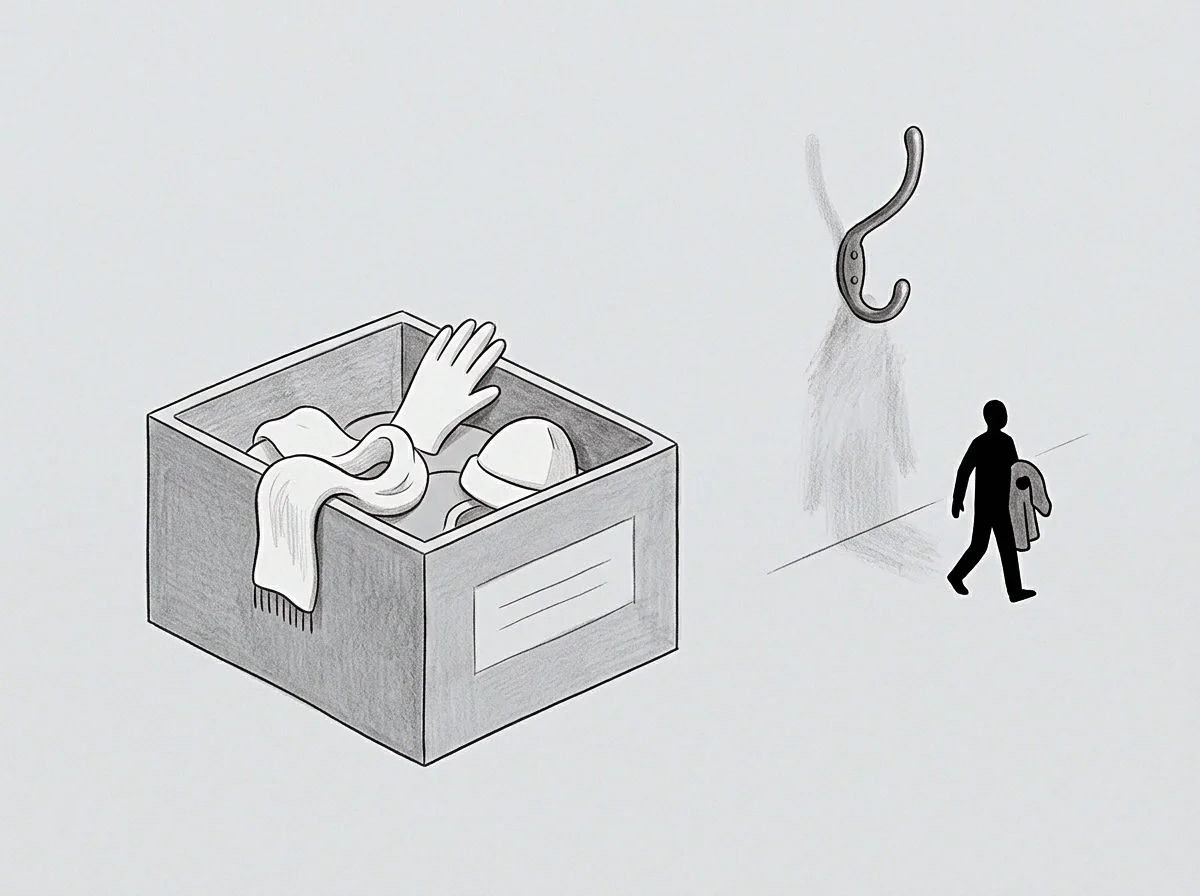
Carveout

Class Warfare and Value Extraction Mechanics
Equity holders facing total balance-sheet erasure during creditor-led restructurings seek value through procedural friction. They utilize statutory voting thresholds, plan objection periods, and cross-border recognition objections as leverage points. The target is an equity tip, operational consultancy, or unencumbered asset carveout.
Senior lenders recognize that prolonged valuation fights consume estate assets in advisory fees. To secure consensual handovers, creditor steering committees often grant out-of-the-money equity participants nominal consideration. This consideration takes the form of out-of-the-money warrants, releases from personal guarantees, or retention agreements for technical operations.
Consensual restructuring agreements exchange minority release concessions for the immediate cessation of shareholder procedural litigation.
Accepting these transactions tests the boundary of shareholder freedom. When a majority equity holder negotiates a private release of personal guarantees from a senior lender in exchange for voting the entire equity class in favor of a zero-recovery plan, minority shareholders file claims for oppressive conduct or breach of shareholder agreements.
The controlling owner cannot use the corporate restructuring machinery to extract private exemptions while abandoning co-investors to complete forfeiture. Equity voting syndicates must respect drag-along agreements, tag-along protections, and internal shareholder pre-emption compacts established during corporate formation.
Disregarding class governance compacts during distressed settlement negotiations leads to minority shareholder injunctions that freeze the entire debt restructuring plan, forcing the corporate enterprise into chaotic formal liquidation.

Exposure

Defensive Strategies and Clean Governance Handovers
Prudent equity holders structure their pre-insolvency posture around defensive preservation rather than aggressive retention of control. Once the credit agreement breaches covenants and senior lenders activate board reassignment clauses, the equity holder steps entirely out of managerial decision-making streams.
The clean transition requires distinct documentary separations. The outgoing owner delivers all executive authority in writing. Board resignations must enter the public corporate register promptly.
Communication with active management ceases or occurs strictly through formal informational requests submitted to the independent board chair.
Turnaround advisors routinely request operational assistance from technical founders. The founder must provide that assistance under an independent, arm’s-length consulting agreement approved by the turnaround board and senior secured lenders, rather than through executive assumptions of office. This separation prevents any assertion of shadow directorship.
Preserving documentation protects against future preference litigation. Every shareholder transaction conducted during the twelve months preceding distress requires documented commercial justification, complete solvency certifications, and independent valuation reports. Preserving this paper trail neutralizes attempts by bankruptcy trustees to claw back prior dividend payments, management advisory fees, or intellectual property license royalties.
The owner must accept economic reality early. Equity sits behind debt in absolute priority. When enterprise valuation drops below senior lien values, equity economics reach zero.
Fighting that arithmetic through managerial obstruction converts a financial loss into personal civil liability.
Surrendering operational governance at the exact boundary of debt default protects the sponsor from personal liability while the asset settles inside creditor hands.